Explore the best places


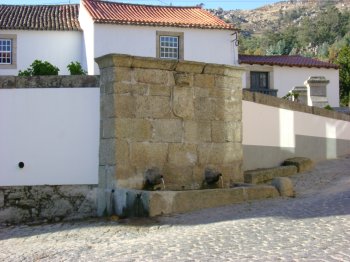
Chafariz Velho
- heritage
Rua do Forno
6230-614, Fundão
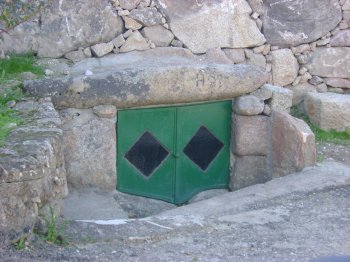
Neoclassical revival, fountain of hybrid type, consisting of a box plinth crowned by URN, with a spout in the Center, in the form of anthemion, which sheds to a rectangular tank. It was built by the City Council in 1867.
Chafariz Fundeiro / Chafariz D'El Rei
- heritage
Rua de São Brás - EN523
6230-160, Fundão
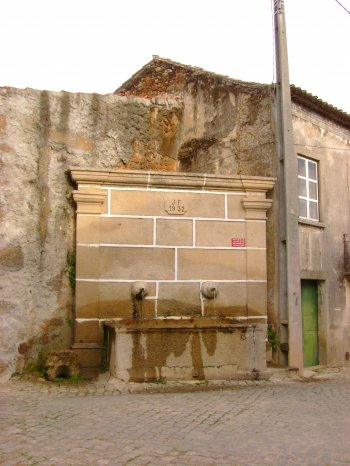
Fountain of backrest with a very simple structure, the present two cocks, a rectangular tank and surmounted by cornice. It was built in the 14th century, in the time of d. Dinis.
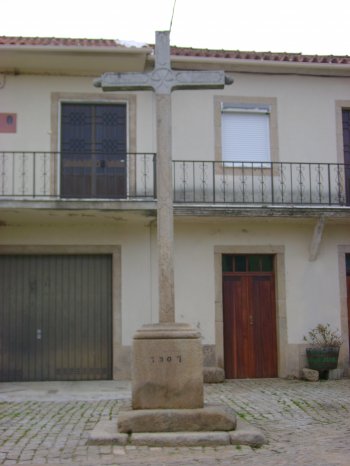
Cruzeiro em Salgueiro
- heritage
Largo do Cruzeiro
6230-618, Fundão
Cruise the path type, consisting of a quadrangular platform with two steps, a box on top and plinth, a frame and a Latin cross with framed rods. It was built in 1907 to mark the location of some processions.
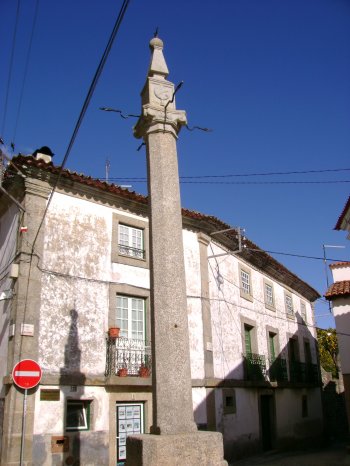
Pelourinho de Alpedrinha
- heritage
Largo do Pelourinho, 6
6230-071, Fundão
This pillory is composed by an octagonal shaft settled in a three steps platform and Ionic capital above which it is possible to see four sustained irons decorated with snake heads. The prismatic body it is finished by7 a pyramid crowned by a sphere.
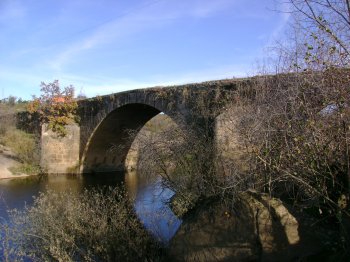
Ponte Romana de Pêro Viseu
- heritage
Pêro Viseu
6230-180, Fundão
This Roman Bridge probably used to belong to the road that connected until Viseu. It has three round arches in which the central is the biggest one, breakwaters and a pathway where it is still possible to admire some flagstone that used to belong to the original road.
Igreja Matriz de Souto da Casa / Igreja de São Pedro
- heritage
Rua Marquês de Pombal
6230-706, Fundão
Mannerist church built in 1690, to present a main facade framed by pilasters and torn by a perfect round portal.
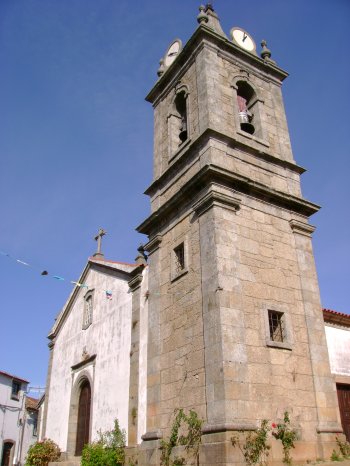
Igreja Matriz de Orca / Igreja de São Francisco de Assis
- heritage
Largo da Igreja, 4
6230-512, Fundão
Church built in the 16th century and rebuilt in 1713, to present a main facade framed by pilasters and torn by a rectilinear portal.
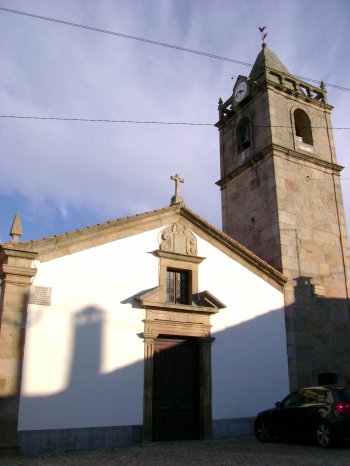
Igreja Matriz de Mata da Rainha / Igreja de Nossa Senhora do Açor
- heritage
Rua Manuel F. Clemente
6230-810, Fundão