Explore the best places


Ermida de Nossa Senhora da Teixeira
- heritage
CM1174
5160-011, Moncorvo
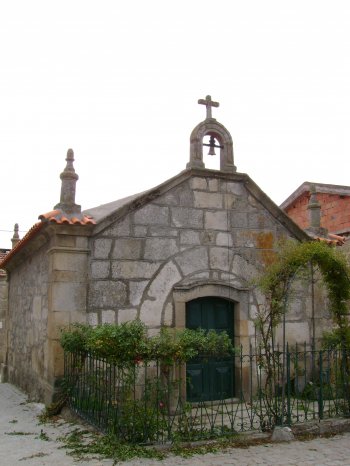
A 16th century chapel consists of a rectangular vessel preceded by a galilé. The vaulted roof of the porch is lined with murals depicting the last judgment. Inside stands a grave dating back to 1665.
Paços do Concelho de Torre de Moncorvo
- heritage
Largo Doutor Campos Monteiro
5160-303, Moncorvo
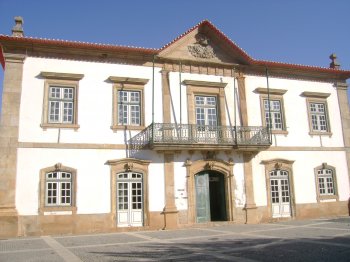
19TH century building, of rectangular plan and two floors, neoclassical architectural features. Sports on the facade the municipal heraldry. Currently, work here some services from City Hall.
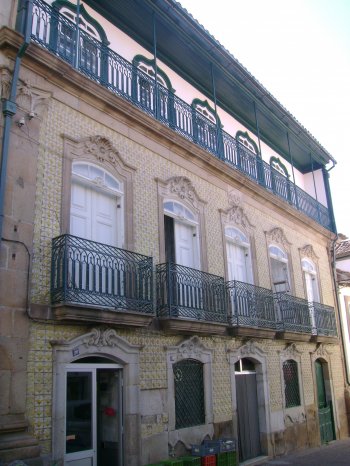
Casa da Avó
- heritage
Rua de Manuel de Seixas, 12
5160-290, Moncorvo
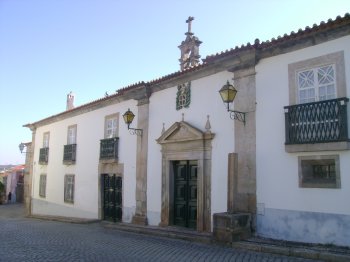
18th century House to present a facade coated with tiles in relief. He currently works as the unit of Turismo de habitação.
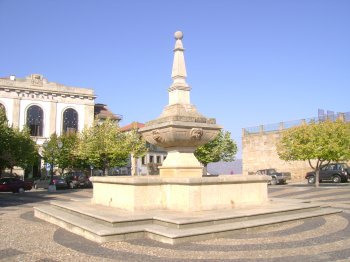
Chafariz Filipino
- heritage
Praça Francisco António Meireles
5160-245, Moncorvo
Filipino fountain dating from 1636, having been dismantled in the 19th century, leaving only the bowl and the base. It was later reconstituted and reset in the Plaza Francisco Meireles.
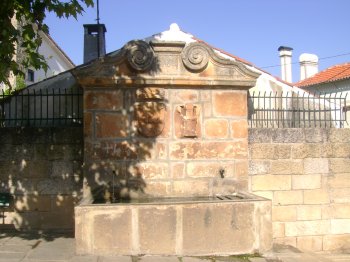
Chafariz de Santo António
- heritage
Largo de Santo António
5160-298, Moncorvo
16th century fountain bearing the former municipal Heraldry and crowned by a pediment of volutes. The Center, displays an inscription with the date of 1704.
Capela do Santo Cristo
- heritage
Rua da Igreja
5160-069, Moncorvo
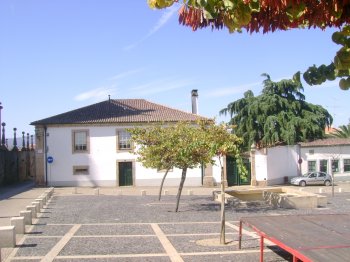
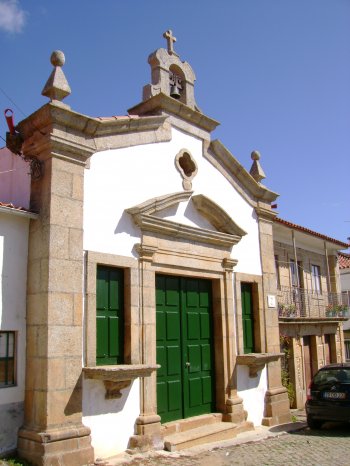
Chapel dating from the mid-18th century, presenting a rectangular plant, a facade with a door of van straight framed between pilasters. Above the door is a window on the roof and polylobulated eyepiece, a small bell tower surmounted by a cross. In the interior, especially the barrel vault coverage painted with scenes from the life of Christ, and to the main altar, dedicated to the Lord Jesus Christ.
Capela de Santa Bárbara
- heritage
Rua de Santa Bárbara
5160-088, Moncorvo
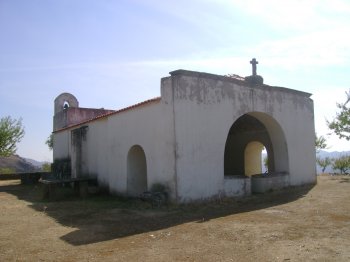
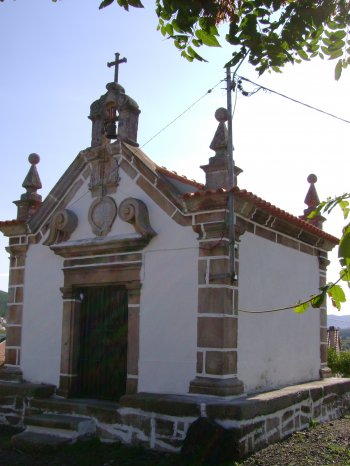
Baroque chapel of square plan with a facade torn by a door of van straight framed by pilasters and surmounted by a Greek cross. Inside is a high altar of rural characteristics and a stone dome with religious scenes.
Capela de Santo António
- heritage
Largo de Santo António
5160-298, Moncorvo
Solar integrated Chapel Visconde de Vila Maior, dating from 1490. Inside deserve reference the main altar, decorated with carved, and the fake barrel vault in caissons, painted still lifes and religious scenes. In front of the chapel there is a source with the image of Santo António.