Explore the best places
Results for Vila Praia de Âncora in Portugal


Casa de Campo das Bizarras
- hotels
Rua da Capela, 20
3600-271, Castro Daire
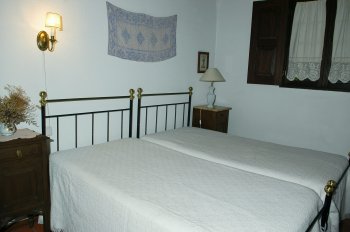
Agritourism House situated in the Serra de Montemuro that lets you discover areas as different as the vineyards of the Douro, Lafões or give and the harsh mountain landscapes. Has a rustic, traditional and especially decoration of fireplace. The surrounding gardens invite to reading and to the home. In the apartments you can cook.
Belver Hotel da Aldeia
- hotels
Avenida Doutor Francisco Sá Carneiro
8200-280, Albufeira
Located in the centre of the Areias de São João, this hotel is surrounded by pleasant gardens. Built in the typical style of the Algarve, this space has 128 rooms and 5 suites, all of which fully equipped and with a balcony. It has a restaurant with regional specialities, a piano bar and a gaming room.

Casa Vermelha
- hotels
Avenida Gago Coutinho, 3
5150-610, Vila Nova de Foz Côa
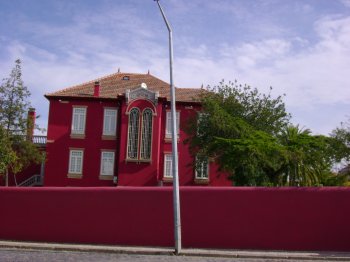
House dated of 20 years of the 20th century, belonging to the same family as recently remodelled and adapted the unit of turismo de habitação. Has seven well-equipped rooms, a dining room with fireplace, game room and, abroad, a nice garden with swimming pool and a panoramic terrace.
Igreja Italiana de Nossa Senhora do Loreto
- heritage
Largo do Chiado, 16
1200-108, Lisboa
Church founded in the XVI century that was completely destroyed on a fire in 1651. It was rebuilt with the new drawing of the architect Marcos de Magalhães in 1676. In 1755 it, again, destroyed by another fire and only the sacristy survived. It was rebuilt and opened in 1785. The church has a single nave and main chapel.

Câmara Municipal de Torres Novas / Edifício da Rua do Conde de Torres Novas
- heritage
Rua General António César Vasconcelos Correia
2350-421, Torres Novas
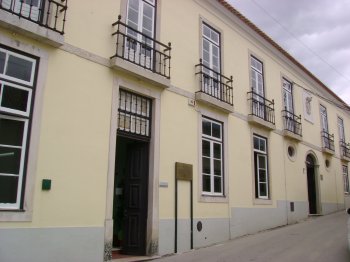
Rural Manor, built in the mid 19th century by the first count of Torres Novas. In 1884, he settled here in the School of Industrial design Vitorino Damásio and, in 1908, the Town Hall moved to here. Later, in 1927, Caixa Geral de Depósitos installed on the ground floor.
Igreja de São Vicente
- heritage
Rua Francisco de Passos
6300-558, Guarda
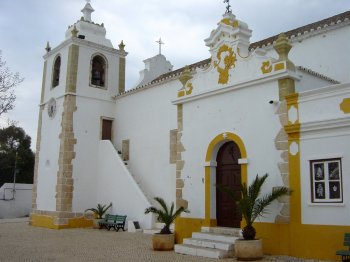
This seventeen hundreds temple presents a baroque façade sided by two bell ringer towers. The historian glazed tiles panels stand out and they are placed in the church nave and main chapel. It was reconstructed in 1790 by initiative of Bishop D. Jerónimo Rogado de Carvalhal e Silva.

Igreja do Divino Salvador/ Igreja Matriz de Alvor
- heritage
Rua da Igreja, 25
8500-007, Alvor
Mandada construir no início do século XVI por Dom Manuel, esta igreja apresenta três naves, quatro tramas, duas capelas colaterais e três laterais. Destaca-se um painel de azulejos rococó e um portal manuelino.
Mamoa 2 de Castro
- heritage
Solveira
5470-480, Solveira
Reasonably visible megalithic monument in the landscape, located about 100 metres from the castro de Serraquinhos. Not very sharp central depression, although they identify what appear to have been mainstays. Has about 13 meters in diameter, plated quartz stone remains.
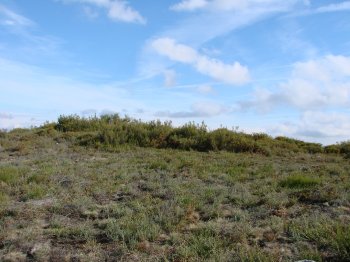
Mamoa de Marouco do Crasto
- heritage
Lamachã
5470-321, Negrões
It is a megalithic funerary monument, though partly cut by the path that leads to Castro de Lamachã. Features slight central depression and are not visible traces of dolmen, however, are evident the remains of lytic cuirass with abundant quartz stones. Is a prominent, but with little elevation about 11 meters in diameter.
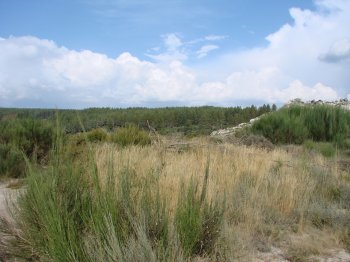
Igreja de Santa Clara
- heritage
Largo do 1° de Dezembro
4000-404, Porto
The Santa Clara Church is all that’s left of the convent with the same name, whose construction was ordered by Dona Filipa de Lencastre. This real treasure with golden carving is hidden at the Square. It keeps its initial gothic structure, although it suffered changes through the XVII and XVIII centuries.
