Explore the best places
Results for Vila Praia de Âncora in Portugal


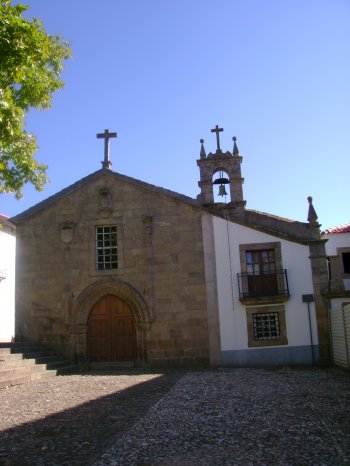
Museu Militar de Bragança
- heritage
Rua da Cidadela
5300-025, Bragança
Set in the Castle Keep, it presents an important collection of great historical value that includes pieces of light weapons, from the 12th century to the First World War. Most of the original pieces were donated by inhabitants, who participated in the African Campaigns and in World War I. From the terrace of the Torre de Menagem it is possible to contemplate a beautiful panoramic view over several region mountains.
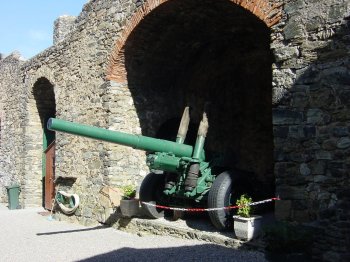
Museu Municipal de Etnografia e História da Póvoa de Varzim
- heritage
Rua Visconde de Azevedo, 17
4490-589, Póvoa de Varzim
Museum space founded in 1937, located in Solar dos Carneiros, the only coat of arms in the municipality of Póvoa de Varzim and dating from the 18th century. It is classified as a Property of Public Interest. It is one of the oldest ethnographic museums in Portugal, highlighting the exhibition "Siglas Poveiras", the sacred art collection of the primitive mother church (16th century) and the collection of archaeological pieces (such as the Roman inscriptions from Beiriz).
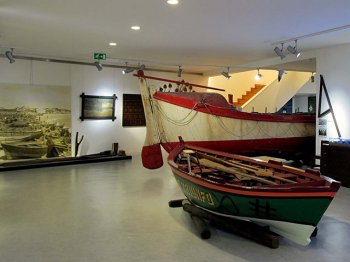
Museu Municipal de Setúbal / Convento de Jesus
- heritage
Rua do Balneário Doutor Paulo Borba
2900-261, Setúbal
This museum, located from its origins in the Convent of Jesus in Setúbal, features about 500 years of history and art, namely religious art (painting, sculpture, jewelry, from the 15th to the 19th centuries) and the "Primitivos de Setúbal" (The Primitives of Setúbal), that is, the Church of Jesus' retable, of about 1520-30, fourteen panels of oil painting on wood by the painter of the king Dom Manuel I, Jorge Afonso.
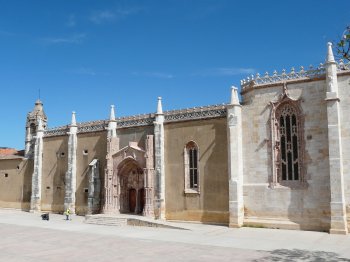
Observatório Oficial Dark Sky Alqueva
- art
Rua da Nossa Senhora da Conceição, 44
7200-071, Reguengos de Monsaraz
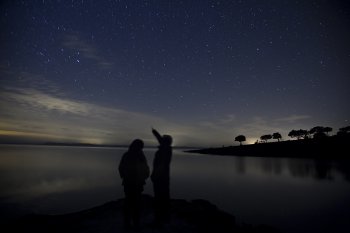
The Official Dark Sky Observatory is located in Cumeada, Reguengos de Monsaraz, in a former elementary school. The space was converted and adapted to house the Official Dark Sky Alqueva Observatory. It features a permanent exhibition of astrophotography by astrophotographer Miguel Claro and a mini-museum where you can touch a real meteorite, see the original autograph of the last astronaut to walk on the moon, and other interesting facts.
Casa de São Cristóvão
- hotels
Rua 5 de Outubro, 12
5460-304, Boticas
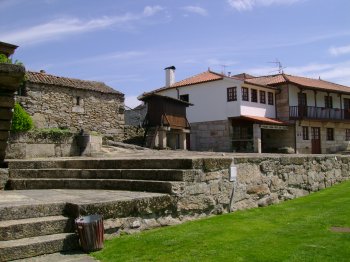
Situated in the heart of Boticas and around some spas, this House press by traditional and tranquil setting. Equipped with a cosy atmosphere, the Casa de São Cristóvão combines regional cuisine with comfortable accommodation. Read a book in front of the fireplace or relax in the comfort of your spacious room. The restaurant serves traditional specialities and complements the general character rustic space. Enjoy a drink at the bar after a day of fishing.
Igreja Matriz de Pinhel / Mosteiro de São Luís
- heritage
Praça Sacadura Cabral
6400-444, Pinhel
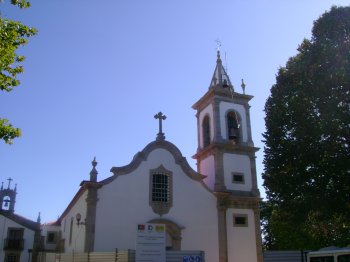
This church is also known as São Luís Church, together with the monastery it was founded in 1596 by Luís de Figueiredo Falcão and used to belong to the Clarisse orders. It has some elements from the sixteen hundreds and from the eighteen hundreds. From the first period, it stands out the only nave, the ceiling and the main chapel coverage; from the second period stands out the doorway, the windows and the main elevation.
Igreja de Nossa Senhora de Alcamé
- heritage
Lezíria Grande do Tejo
2600, Vila Franca de Xira
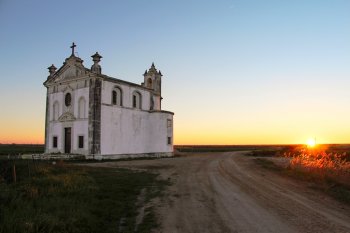
Isolated in the middle of the Lezíria, religious, Baroque architecture, the Church of our Lady of Alcamé is erected under a raised platform to prevent the entry of water. Designed by the architect José Manuel de Carvalho and Slavers and 18th-century House, was built by the first Patriarch of Lisbon. It consists of nave and chancel at the same height, corresponding to double the sacristy and the Bell access. The altar is dedicated to Nossa Senhora da Conceição.
Igreja de São Nicolau
- heritage
Rua de São Nicolau, 1385
4630-261, Marco de Canaveses
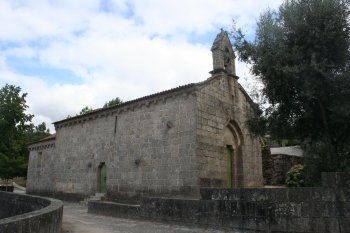
Located on the south bank of the Tâmega River and bordering Santa Maria de Sobretâmega, the Church of São Nicolau, next to the old Canaveses Bridge, displays a late design within the context of Portuguese Romanesque architecture, evident in its column-less, capital-less portals and plain corbels. This church preserves, though very fragmented, important remains of mural painting from the 16th and 17th centuries.
Núcleo de Marcos Miliários de Antas
- heritage
Antas
4940-682, Rubiães
This is just one of the 14 milestone markers that exist in the municipality of Paredes de Coura. They are located on the road that led to Braga, then called Bracara Augusta. Only 5 of the markers show the number of miles, because, while initially used to measure distances, they later served to record the honorary titles of various emperors, their affiliations, and public offices, thus explaining the appearance of several milestones in the same location.
Igreja da Misericórdia de Pinhel
- heritage
Rua Silva Gouveia
6400-455, Pinhel
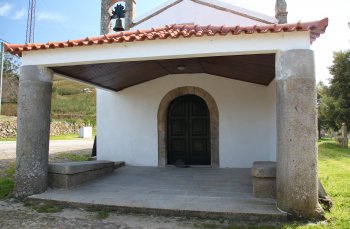
16th century church with Manueline portal, consisting of nave and chancel. The façade is distinguished by the Royal arms, with the date of 1808, and a Latin cross in the top. Inside are an altarpiece of João de Rouen, the talha, the paintings of the caissons and the two painted canvas of lateral cloths, representative of the visitation and da Nossa Senhora da Conceição. In 1810 was the target of attack by the French troops who destroyed the registry's mercy.