Explore the best places
Results for enter now fast MAKEMUR.COM pay a judge to shorten my time in prison in Portugal


Bairru’s Bodega
- food & drink
Rua da Barroca, 3
1200-047, Lisboa
Located in Bairro Alto, the Bairru's Bodega is a space which seeks to recreate the Bohemian spirit of other times. Here you can taste and buy wines and liquors, among other typical Portuguese products.
Casa d'Alfaias
- hotels
Rua das Almas de Baixo, 10
9630-120, Lomba da Fazenda
Rural house dating from the 20th century, at the same time that retains its original architectural features, it also offers conditions for a comfortable stay. Features a wood-burning oven, a barbecue and a nice garden.
O Lagar
- food & drink
Rua Senhor Jesus, 8
2540-367, Bombarral
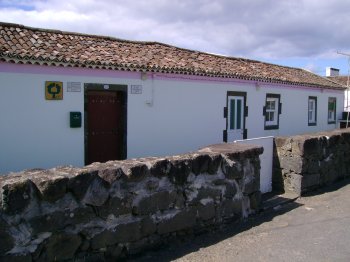
About 4 km from Bombarral, more precisely by the Sanctuary of the Lord Jesus do Carvalhal, lies this small cozy restaurant, offering a huge variety of dishes made at the time. Diverse wine cellar.
Ermida de Nossa Senhora do Repouso / Capela do Repouso
- heritage
Rua do Repouso
8000, Faro
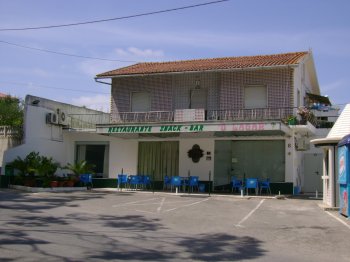
The main façade stands over a landing where one arrives from a stairway, under which there is passing water. One should notice the three stonework portals with a straight rod in architrave, the taller middle one, with an interrupted triangular gable, a cruxifix and forged iron gratings. Inside, one should pay close attention to the sculptured panel and to the side walls with blue painted wood.
Palácio dos Condes da Anadia
- heritage
Largo Conde de Anadia
3530-129, Mangualde
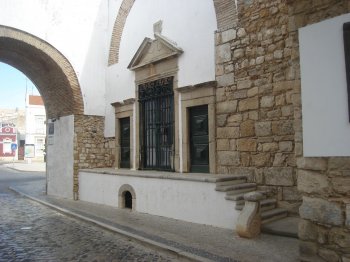
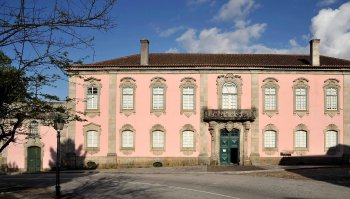
17th century palace, built by Miguel Pais Amaral. It features a façade cut by wide pilasters and two rows of windows with lintels decorated with "Rocaille" style motifs. It has an emblazoned door and, above, a balcony with stone balusters that serve as protection for the main floor door. The south façade has a double veranda with round arches and an original staircase. Also noteworthy is the chapel invoking Saint Bernard.
Fajã do Além
- heritage
Fajã do Além
9875-027, Topo
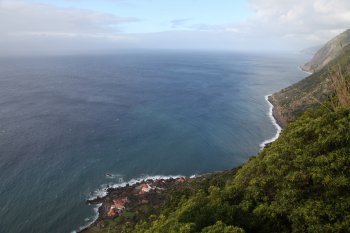
Access to this fajã, located between Fajã de São João and Fajã do Ginjal, is via a narrow path, where you can enjoy fantastic views. However, this route is only accessible on foot, by donkey, or on horseback. The several houses here are now inhabited only on weekends. The land is used for agricultural purposes, primarily for growing yams and vineyards.
Casa do Mogadouro
- hotels
Mogadouro
6360-103, Celorico da Beira
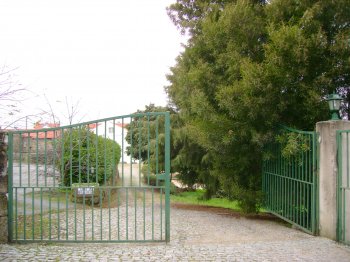
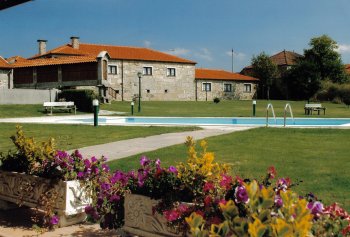
Rustic house recovered, all in stone, located at the slope of Serra da Estrela. Dating from the first quarter of the 19th century, now offers six bedrooms, two living rooms, a recreation room and a kitchen. Abroad, there is a garden with a swimming pool, a tennis court, a wine cellar, a distillery and a furnace where even today if you can bake bread.
Parque da Bela Vista
- country
- leisure
Avenida Doutor Arlindo Vicente
1950, Lisboa
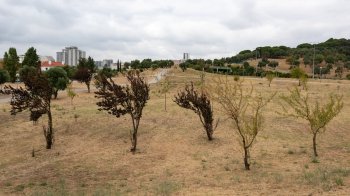
The Bela Vista (Lovely View) Park is the result of the reconversion of an old farm, one among the many that once existed in the eastern part of town. Th first plantation of trees dates back to almost two decades before now. Nonetheless, the Park only opened its gates in 1991. A wide area where musical events take place.
Casa da Eira Longa
- hotels
Rua Central, 9
5460-512, Boticas
A Casa da Eira, situated in the village of Vilar, is an ancient farmhouse transformed into Rural Tourism accommodation. This complex maintains the architectural structure of a wealthy farm house in the region of Barroso: the houses of housing and the den involve an inner courtyard, the old barns and stables, now converted into a Museum and regional wine cellar define the perimeter of the eira that gives the name to the House.
Paço de Sobre-Ribas / Instituto de Arqueologia da Universidade de Coimbra
- heritage
Rua de Sobre-Ribas, 35
3000-395, Coimbra
Cinquentist palace sited at the Coimbra wall, between the Almedina Arch and the Anto Tower. It includes the Casa de Baixo (Institute) and the Casa de Cima (private). Adapted from a medieval tower, it has an interior organization close to the Middle Ages buildings. Outside is the magnificent manueline portal, which is now used as an entrance to the University of Coimbra Archaeology Institute.