Explore the best places
Heritage in Portugal


Museu Municipal de Espinho
- heritage
Avenida João de Deus
4500-198, Espinho
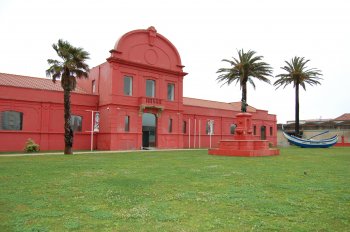
The museum is located in the Espinho Art and Culture Forum (FACE), the former Brandão, Gomes & Companhia canning factory. It includes three permanent exhibitions: canning factory, traditional fishing techniques, and fishing/working-class neighborhood. It also has a temporary exhibition gallery, a documentation and research center for local history, and an educational service.
Igreja Nossa Senhora dos Remédios / Igreja Matriz de Reguengo do Fetal
- heritage
Largo da Praça da Fonte
2440-208, Reguengo de Fetal
This church, built in 1512, underwent renovations in the 18th century. Its original Mannerist design is enlivened by the Baroque style of the 18th-century façade and the addition of some revivalist details from the following century. Next to the statuary, the holy water font, in Manueline style, is particularly noteworthy.
Igreja da Misericórdia da Batalha
- heritage
Largo da Misericórdia
2440, Batalha
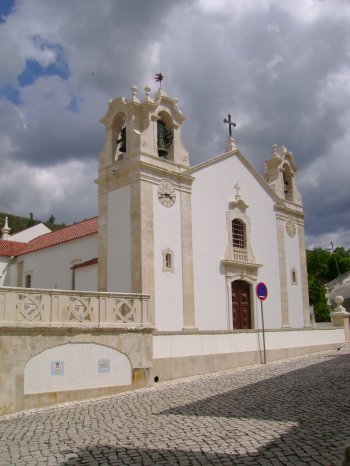
The church consists of a rectangular nave and several dependencies, including the Dispatch Room. The main façade has an angular gable and quoins topped by pinnacles, and is pierced by a portal surmounted by a balustraded window with a broken pediment to accommodate the national coat of arms. Inside, the nave and elevated chancel are covered by the same three-tiered wooden ceiling, with the Joanine coat of arms painted on it.
Ermida da Senhora do Fetal
- heritage
Rua Nossa Senhora do Fetal
2440, Reguengo do Fetal
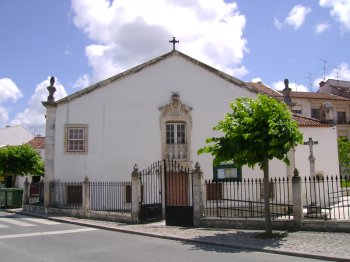
Mannerist chapel built in 1585. At the end of the 17th century it was covered with tiles and, in 1905, received a tile panel by Roque Gameiro alluding to the miracle of Our Lady of Fetal.
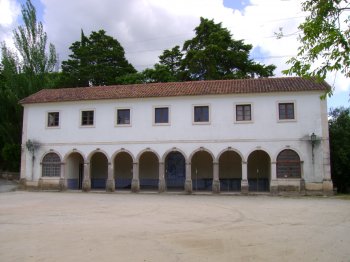
Museu da Comunidade Concelhia da Batalha (MCCB)
- heritage
Largo Goa, Damão e Diu, 4
2440-901, Batalha
Located in the historic center of Batalha, next to the Monastery of Santa Maria da Vitória, this cultural space illustrates the history of this territory through a journey that begins with the formation of the universe, passing through geological and paleontological records, encountering the first human traces, highlighting the Roman Villa of Collippo, marking the Royal Battle that dictated the independence of Portugal and the construction of the Monastery of Santa Maria da Vitória, exhibiting the socio-cultural aspects of the people of this region up to the present day. The entire chronological journey is illustrated by a diverse collection, complemented …
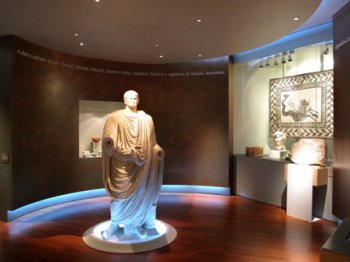
Santuário de Nossa Senhora do Fetal
- heritage
Rua Nossa Senhora do Fetal
2440, Reguengo do Fetal
The sanctuary consists of a hermitage and a cemetery, both built in the 16th century. The Feast of the Holy Spirit takes place here, based on the popular story of a girl who herded cattle and asked for bread to survive. Thus, during this festival everyone receives bread, sponsored by the emperor, an individual who, by virtue of a promise, bears the costs.
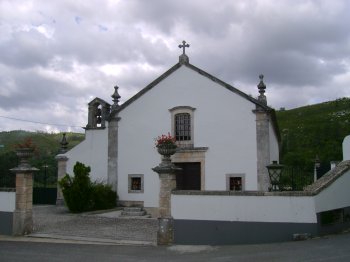
Igreja Matriz da Batalha
- heritage
Largo da Misericórdia
2440, Batalha
A Manueline, Baroque, and Revivalist church built in 1514. It consists of a chancel and an attached sacristy. The two altars and the baptismal font come from the Monastery Church.
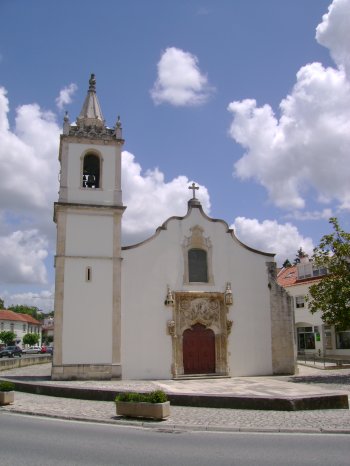
Mosteiro da Batalha
- heritage
Largo Infante Dom Henrique
2440-109, Batalha
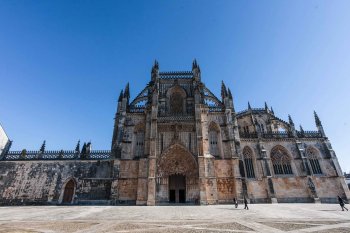
This is one of the largest and most beautiful Gothic monuments in Portugal, being the first example of Manueline art from the 16th century. The Batalha Monastery is the most striking symbol of the Avis Dynasty. King João I, following a vow to the Virgin Mary should he win the Battle of Aljubarrota in 1385, ordered the work to begin the following year, under the direction of the Portuguese architect Afonso Domingues. This phase resulted in a large part of the church's structures and two wings of the cloister. In 1402, the direction of the works passed to Master Huguet. …
Palacete da Granja
- heritage
Avenida da República, 176
4580-193, Paredes
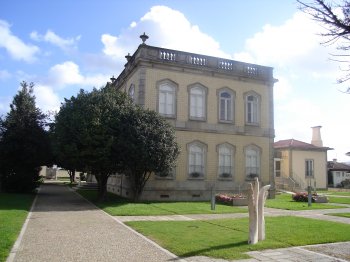
A building located in the city center, with neoclassical features. The facade is covered in beautiful yellow tiles, except for the entrance which is rusticated with columns. There are two arbors attached to the property wall. Inside the building, there are two symmetrical ponds, from which a fountain flows. The building has similar floors, marked by enormous windows framed in granite, whose upper line follows the triangular pediment that, in line with the roofs, marks the main entrance and finishes off the balustrade.
Minas de Castromil
- heritage
EN319
4585-702, Sobreira
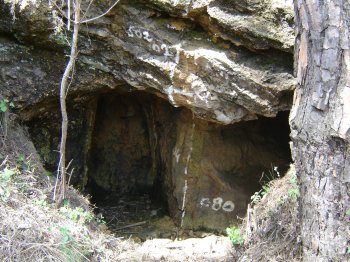
In the Castromil Gold Mines, there is a gold deposit whose archaeological evidence testifies that, at least 2000 years ago, the Roman people developed gold mining activities in this location. Numerous ancient underground works can be observed here, as well as concavities in the side walls for placing lighting lamps.