Explore the best places
Results for Santa Maria do Bouro in Portugal


Gruta do Natal
- country
EM502
9760, Praia da Vitória
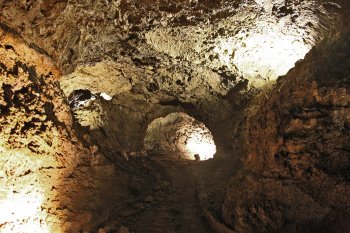
Large geological formation with branches in different tunnels, formed by lava that flowed in different directions. It is located within the Serra de Santa Bárbara and Mistérios Negros Natural Forest Reserve, largely beneath Lagoa do Negro.
Galeria ASVS
- art
Rua Santa Catarina, 678
4000-446, Porto
Art Gallery situated in Rua de Santa Catarina.
Igreja da Colegiada / Igreja Matriz de Ourém
- heritage
Largo da Sé Colegiada
2490-462, Ourém
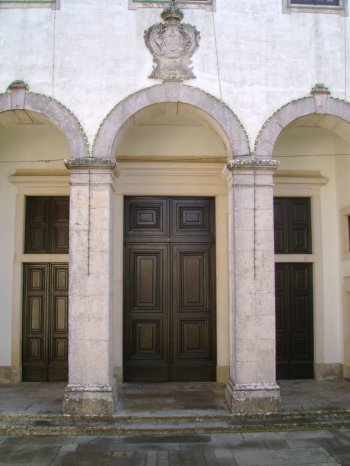
Situado próximo da porta da vila medieval, este templo, que anteriormente acolheu a Igreja de Santa Maria de Ourém, foi remodelado e ampliado em 1445, passando a funcionar como a Colegiada de Nossa Senhora das Misericórdias, por iniciativa de D. Afonso, quarto Conde de Ourém. Destruída pelo terramoto de 1755, foi reconstruída no século XVIII, mantendo as dimensões e a planta do primeiro edifício. Da estrutura original, salvou-se apenas a cripta, onde se encontra o túmulo de D. Afonso. Na capela-mor destaca-se o coro e um quadro a óleo do século XVIII.
O Telheiro
- food & drink
Lugar das Lages
4840-130, Souto
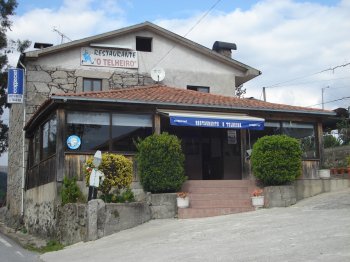
O restaurante O Telheiro, fica próximo da vila de Terras de Bouro. É um restaurante simples com uma bela vista para a serra do Gerês e um atendimento simpático. Da cozinha saem muitas especialidades regionais. Desta lista de iguarias fazem parte as famosas papas de sarrabulho, o arroz pica-no-chão (cabidela), o delicioso cabrito do gerês assado no forno, o polvo na brasa com batatas à murro e, para sobremesa, as tradicionais rabanadas.
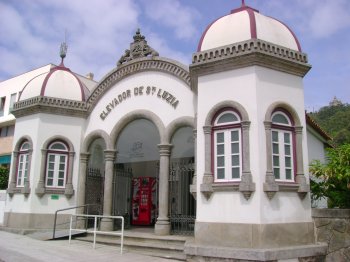
Elevador de Santa Luzia
- heritage
Avenida 25 de Abril
4900-496, Viana do Castelo
It takes between six to seven minutes to climb a 160-meter gap. At 650 meters, it is the longest funicular route in the country.
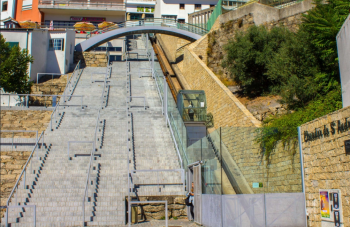
Elevador de Santo André
- heritage
Escadas de Santo André, 50
6200-055, Covilhã
Equipped with a panoramic cabin and free to use, it is an excellent means of transport that facilitates pedestrian connection between Rua Marquês d'Ávila e Bolama and Rua António Augusto de Aguiar. Next to the elevator there is a long staircase that seems to accentuate the difference in level even more. The Pedestrian Mobility Plan for this city, rich in steep slopes, includes two other elevators, one of them very close to this one, and a funicular.
Feira de Santo António
- heritage
Largo de Santo antónio
4590, Freamunde
This fair takes place on December 13th.
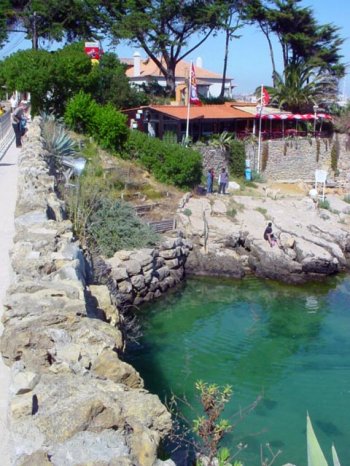
Praia de Santa Marta
- country
Avenida Rei Humberto II de Itália
2750-800, Cascais
A rather rocky riverine area where the beauty of the surrounding landscape stands out.
Praça Machado dos Santos
- shopping
Praça Machado dos Santos
4440, Valongo
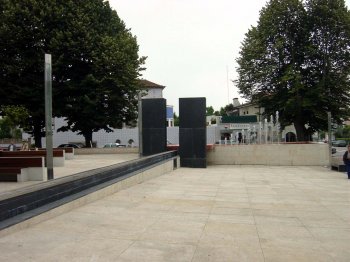
A square located in the centre of Valongo, where there are many small shops.