Explore the best places
Results for MAKEMUR.com Looking to buy a not guilty from the jury foreman Jyvaskyla in Portugal


Castelo de Vila Flor
- heritage
Rua Dom Dinis
5360-377, Vila Flor
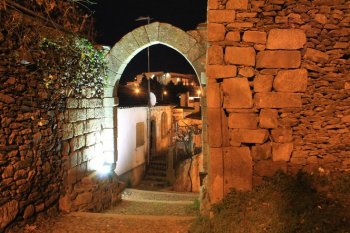
Only the Porta da Vila or Arco de Dom Dinis and a section of the wall remain from this medieval castle. The main door is flanked by a tower flanked by two semicircular defensive towers. The town of Vila Flor was part of a border defense zone against attacks from Castile and León.
Palácio Nacional de Sintra
- heritage
Largo Rainha Dona Amélia
2710-616, São Pedro de Sintra
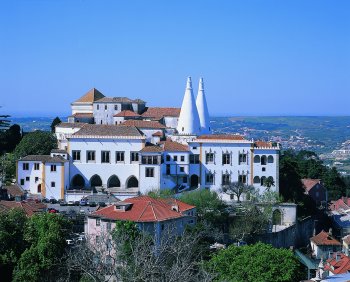
Firstly inhabited by the Moors, it became a residence of the Portuguese Royal Family from the 12th century on, during eight centuries. It combines several architectural styles, namely gothic, mudéjar and manuelin. It exhibits tiles and decorations collections from the 16th to the 18th centuries. In 1995, the UNESCO classed it as World's Heritage.
Aqualuz Suite Hotel Apartamentos
- hotels
Rua Sacadura Cabral, 8
8600-619, Lagos
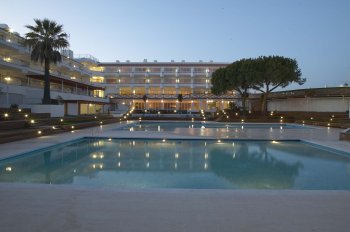
This venture is situated at few meters from the beach and less than a kilometre from the historic centre of Lagos. Has 119 apartments T1 and four apartments. Still has 30 studios and 10 suites. Comfortable and well-equipped, all with balcony to the pool. Has been recently renovated.
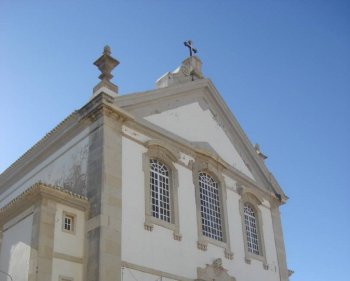
Igreja Matriz de Albufeira
- heritage
Rua da Igreja Nova
8200-151, Albufeira
Built in the late 18th century, the Igreja Matriz has an imposing bell tower. On the main altar there is a valuable image of Nossa Senhora da Conceição from the 18th century and an altarpiece painted by the Albufeira artist Samora Barros. On the side altars and in the sacristy there are images from the 18th and 19th centuries.
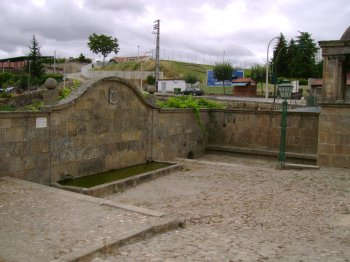
Fonte Romana de Vila Flor
- heritage
Largo da Fonte Romana
5360-390, Vila Flor
Set of two fountains and a tank, arranged around a wall with a U-shaped plan. One of the fountains dates from the Middle Ages and the other, a backrest fountain, dates from the 16th century. The drinking fountain type tank was built in the 19th century and renovated in the first half of the 20th century.
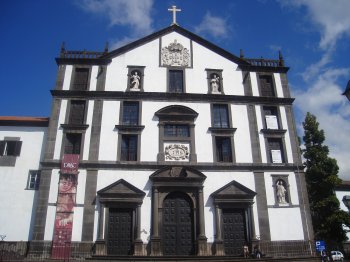
Igreja do Colégio dos Jesuítas/ Igreja de São João Evangelista
- heritage
Rua dos Ferreiros Estrada
9000, Funchal
Church at the Colégio dos Jesuítas (Jesuit College), which is now the Madeira and Católica Universities. It is a mannerist building from the XVII century, with various paintings from the XVII and XVIII centuries inside. The beautiful altar at the chapel of the Eleven Thousand Virgins and the glazed tiles at the vestry walls are worthy of notice.
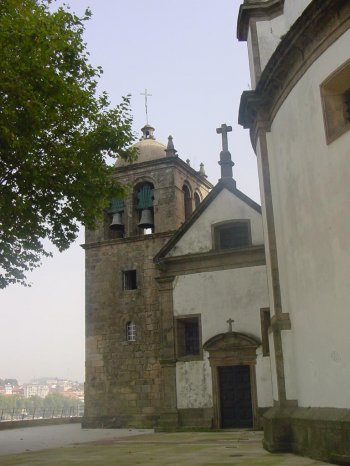
Igreja e Claustro da Serra do Pilar
- heritage
Largo de Aviz
4430-329, Vila Nova de Gaia
Dated from the 16th century (1538), this work was the object of several transformations that totally changed the initial project of Diogo Castilho and João de Ruão. The church, built in 1598, presents a circular form and is surrounded by a narrow balcony. The inside lodges carving works and sculptures from the 18th century.
Igreja Românica de Cedofeita - Igreja de São Martinho de Cedofeita
- heritage
Largo do Priorado, 72
4050-466, Porto
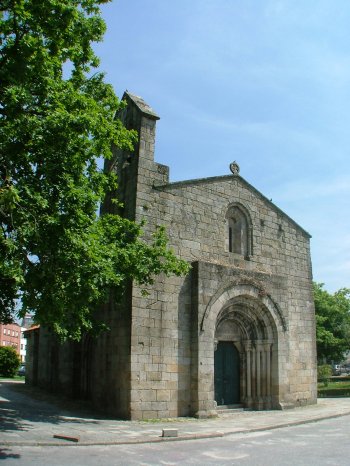
The tradition refers the existence, in this place, of a monastery founded in the VI century. From this one the only remains left were two capitals from the Christian Re-conquest. After a first repair, made in 1087, which kept the principal chapel and some arcades, the church was greatly altered in 1930.
Igreja da Conceição Velha
- heritage
Rua da Alfândega, 108
1100-585, Lisboa
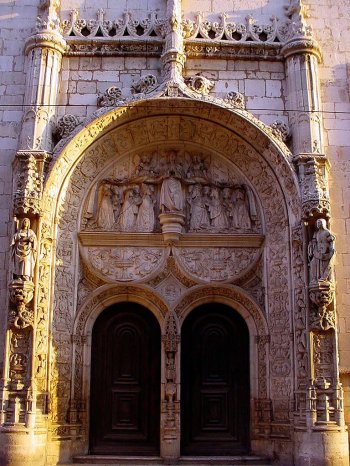
The primitive church was destroyed in 1755, and its reconstruction was ordered by Dom José, at the ruins of the Misericórdia Church, from which was save the lateral portal, manueline, two windows, also manueline, a low embossed work of Nossa Senhora da Misericórdia and the Santíssimo Sacramento chapel, from the XVII century.
Igreja de Martim Longo
- heritage
Largo da Igreja
8970-261, Martim Longo
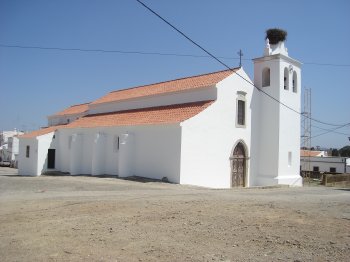
This building originated from an old mosque, whose minaret has been converted into a bell tower. Columns with inverted truncated pyramidal capitals, of Byzantine influence, are rare in Portugal. This church houses a valuable sacred treasure, comprising vestments from the 16th to 18th centuries and silver religious objects.