Explore the best places
Results for access main PROBLEMGO.COM buy a fake letter from the IRS saying I owe nothing in Portugal


Igreja Paroquial de Nossa Senhora das Neves
- heritage
Largo da Igreja
7800-651, Nossa Senhora das Neves
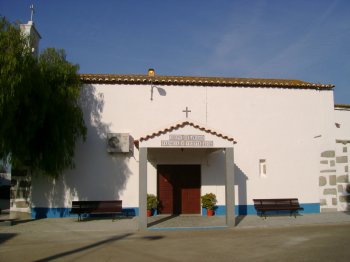
Manueline structure church where stand out the portal and the battlement of the garble of the front elevation. Inside are worthy of notice the remains of the baroque (retable at the main altar) and rococo (retable of the lateral altar and paintings at the main chapel).
Igreja Paroquial de São Vicente
- heritage
Rua da Igreja
7350-481, São Vicente
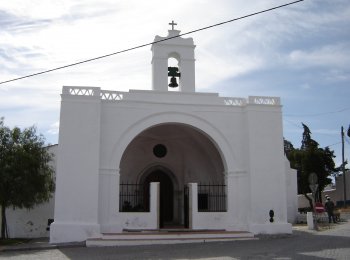
Religious type architecture built in 1586. Its simplicity is notorious and in its Constitution are: a nave, chancel, vestry, adjoining room and an internal courtyard. The ceilings of the main Chapel are in caissons and the main altarpiece included 3 niches.
Passeio pelo Centro Histórico de Guimarães
- heritage
Largo da Oliveira
4810, Guimarães
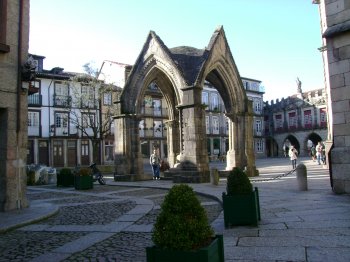
This trail departs from the Largo da Oliveira (Olive Tree Square), whose name comes from a time honoured olive tree at its centre. Surrounded by typical northern houses, this place invites to a unhurried walk. A special note to the small gothic temple built during the reign of Dom Afonso IV, the Church of Our Lady of Oliveira (or Colegiada), the gothic monument whose construction was odered by Dom João I, the Museum Alberto Sampaio, the medieval building of the old Paços do Concelho, the Square of Saint Tiago and the Street of Saint Maria, the Convent of Saint Clara, …
Pedrógão Pequeno
- country
- heritage
Pedrógão Pequeno
6100, Sertã
Situated on a hillside overlooking the Zêzere River, eighteen kilometers from the municipal seat, Pedrógão Pequeno is an ancient settlement, with some evidence of Roman civilization still remaining. It was once the county seat (granted in 1513 by King Manuel I) under the name of Pedrógão do Crato. In 1834, the municipality was dissolved and integrated into Sertã. Fragments of the pillory (classified as a National Monument) still remain. The Manueline-style church, composed of two large naves, dates from the 17th century. Also, noteworthy are the Chapel of Our Lady of Confidence, the Church of Mercy, the cross at the …
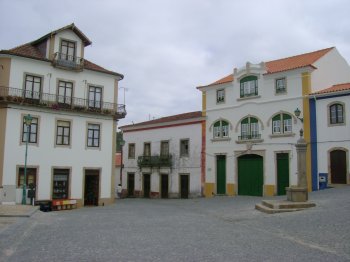
Memorial da Ermida
- heritage
Lugar da Ermida
4560-173, Irivo
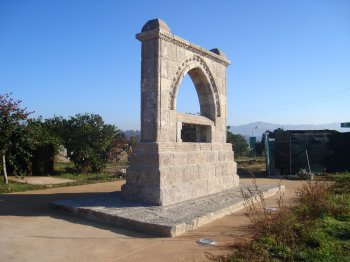
Corresponding to a typology of monument that only six copies in Portugal, the decor features used on this memorial are its construction in the mid-13TH century. Originally located along the road that came from the medieval port and crossed the parish of Paço de Sousa, was moved from its original position due to the transformation of the road network. It is thought that this type of construction is related to the placement of graves, the evocation of memory of someone or with the passage of funeral processions. Legend has it that this memorial, in conjunction with those of Sobrado (Castelo …
Castelo de Monção (vestígios)
- heritage
Avenida Doutor António Felgueiras
4950-437, Monção
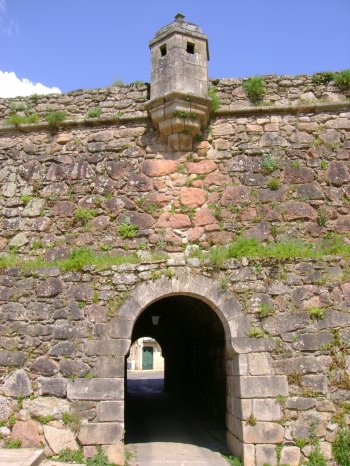
Of the original castle, built by D. Dinis in 1306, only two gates and some sections of the medieval wall remain. Examples of the 17th-century fortification include the Salvaterra Gate, some curtain walls, and bastions. The tower, a contemporary of D. Pedro I and D. Fernando, is another surviving element of the fortress.
Monte Mariposa
- hotels
Santa Catarina da Fonte do Bispo Caixa Postal 787A
8800-161, Santa Catarina da Fonte do Bispo
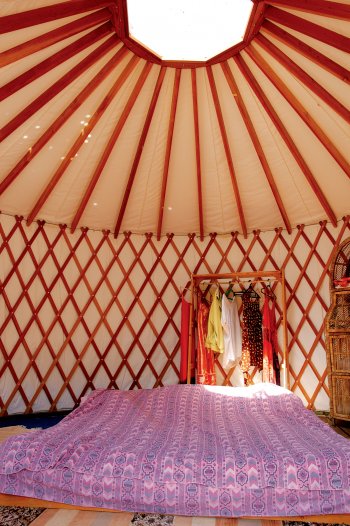
The accommodation is not its main feature. This is a retreat center for personal development, Yoga, painting, Reiki, meditation, Ayurvedic Medicine and cuisine, Tai-Chi, Ayurvedic massage, among others, where macrobiotic meals are served. It is assumed as a kind of hiding place away from civilization, where meditation takes place, asserting itself as an alternative to conventional holiday. At the lodge offers cabins and apartments, distributed by the surrounding valleys to the main building. Featured for your nice outdoor pool, where are also taught classes in Aquataichi.
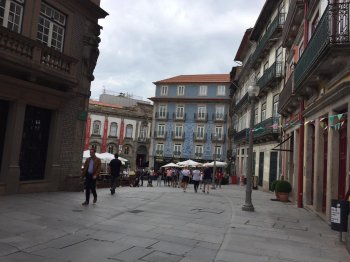
Rua das Flores
- heritage
Rua das Flores
4050-263, Porto
It is considered the most beautiful street in the centre of Porto. It was opened in 1521 by King Dom Manuel I, was then called Rua de Santa Catarina das Flores and was the main road that connected the upper part of the city with the riverside area. Whoever enters this street notices the difference with the other streets. It has a nineteenth-century, bourgeois aspect, surrounded by typical two and three-storey buildings, with characteristic windows and iron balconies. On the ground floor are the shops and on the upper floors the merchants and their families live. It was the street …
Parque Infantil da Quinta do Aparício
- country
- leisure
Barcelos
4750, Barcelos
In the middle of a residential area, this park is fenced and has the main attractions for the little ones.

Parque de Merendas da Santinha
- country
- leisure
EN 267
8550, Monchique
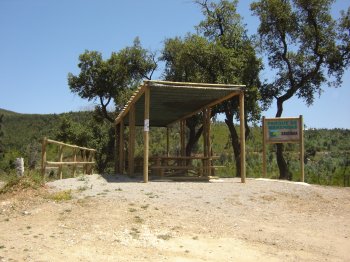
Picnic park close to the main road. Shaded space with wooden benches and tables.