Explore the best places
Results for access main PROBLEMGO.COM buy a fake letter from the IRS saying I owe nothing in Portugal


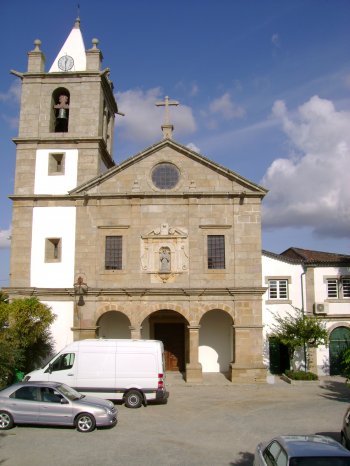
Igreja do Convento de São Francisco
- heritage
Rua de São Francisco, 59
5200-224, Mogadouro
17th century church with a Latin cross plan with three naves, main chapel, sacristy and annex. The altarpieces of the Immaculate Conception, Saint Ignatius of Loyola, Our Lady of the Rosary and Saint Bonaventure stand out, next to the main altar.
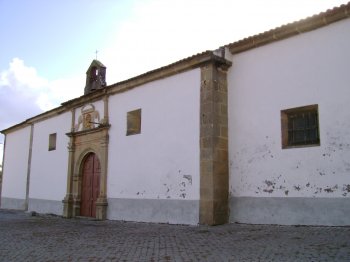
Igreja da Misericórdia de Mogadouro
- heritage
Largo da Misericórdia
5200-227, Mogadouro
Mannerist and Baroque church, with a rectangular plan with an internal longitudinal axis, consisting of a nave, a narrower chancel, an annex and a sacristy. Inside, highlights include the high choir, the pulpit on the Gospel side, the paintings in the main chapel and the gilded main altarpiece.
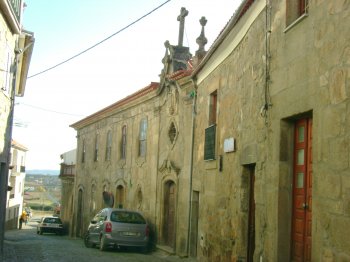
Solar da Quinta do Ortigal
- heritage
Telhado
6230-772, Fundão
Baroque Manor probably built in the 16th century, being the main façade was rebuilt in the 18th century and the chapel erected in 1793. Features an irregular quadrangular, where stands out the internal courtyard and the main façade, a Casa de port.
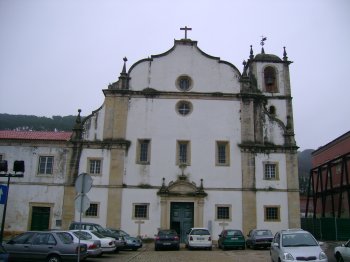
Igreja de São Francisco
- heritage
Avenida General Bernardo Faria
2300, Tomar
São Francisco convent was constructed under the orders of Filipe III next to Várzea Grande, once it was necessary to be next to the hospital, in case the regulars needed it. It possesses one only nave, main chapel, lateral chapels, cloister from the 17th century, and convent divisions. The main façade is composed by three bodies in which the central one has three floors. It has a bell ringer tower that is raised on the right lateral side. On the inside the nave is covered by a tunnel vault lighted by the clerestory windows and by the bays on the …
Magnólia
- hotels
Rua da Maternidade, 51 R/C
4050-369, Porto
Just minutes from the historic centre of the city, the Magnolia Hostel has seven themed rooms that can accommodate up to eight people. The location and the proximity to some of the main monuments of the city influence the decoration of this hostel housed in a traditional building properly recovered. The common areas include a garden that invites you to relax.
Casa Vaz
- heritage
Rua José Relvas
2150-200, Golegã
Burgher House dating from 1865 and consists of two floors, with the main facade with moldurados spans with semicircular arched and pointed to witches and Tuscan pilasters. On the ground floor, especially the set of standard 18th-century tiles. The family Vaz Monteiro, who it belonged to, donated the House to the Santa Casa da Misericórdia, in 1970.
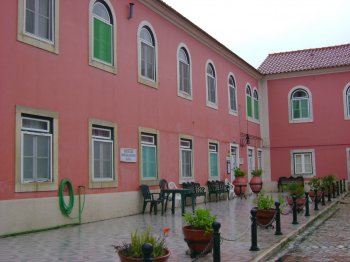
Fábrica de Cerâmica Vieira
- leisure
Rua das Alminhas, 10-12
9560-073, Lagoa
The typical crockery of the municipality of Lagoa originally comes from Vila Nova de Gaia and was introduced to the islands in 1862 by Bernardino da Silva. Nowadays, in the museum nucleus, some of the main pieces produced are on display. The typical blue color remains evident in all the pieces, still produced today using the artisanal method.
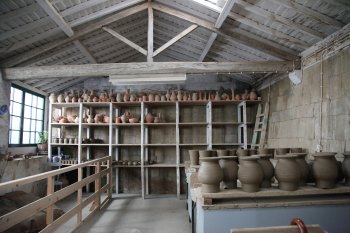
Igreja da Misericórdia de Coruche
- heritage
Travessa do Hospital, 2
2100-134, Coruche
Very old temple, from the 16th century, with a single nave, with a high choir supported by four simple columns and in which there is a pipe organ dated 1803. The main altar does not have a crossing arch and bears in the center the image of the patron saint, Our Lady of Conception. The royal facade has a royal crown.
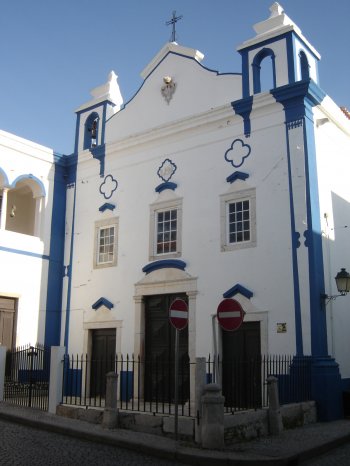
Igreja de Ifanes / Igreja de São Miguel
- heritage
Rua da Igreja
5210-105, Miranda do Douro
Baroque church dating from the 13th century, consisting of a rectangular nave, a chancel with vestry foursquare, an attachment and a baptistery. The main façade in gable is truncated with a Bell and a double arch portal with regular staves. In the interior, highlighted by the Mannerist and Baroque carved altarpieces of Johannine style. It was built in the 13th century and rebuilt in the 16th century.
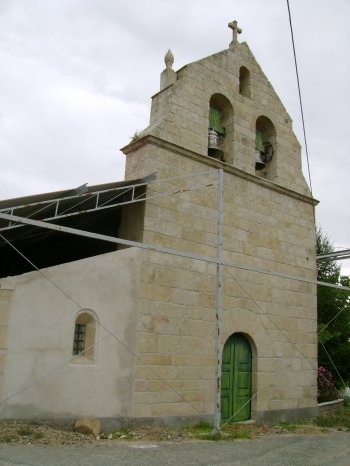
Quinta da Alfarrobeira
- heritage
Rua António Saúde, 11-13
1500-048, Lisboa
The farm is a work from the early XVIII century, by the architect J. Frederico Ludovice. The classification includes the following parts of the building: main façade, entrance gate to the yard, façade over the yard, posterior façade, set of chapel and its paintings and all the artistic elements of architecture and sculpture that can be found in the gardens and the park.