Explore the best places
Results for enter website here MAKEMUR.COM cost to bribe a judge to put me on house arrest instead of prison in Portugal


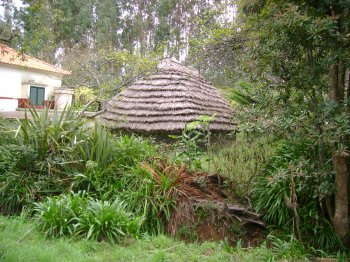
Casa de Colmo
- heritage
Estrada das Carreiras
9100, Santa Maria Maior
House with a straw roof, one of the exemplars of the typical Madeiran house. It is surrounded by vegetation.
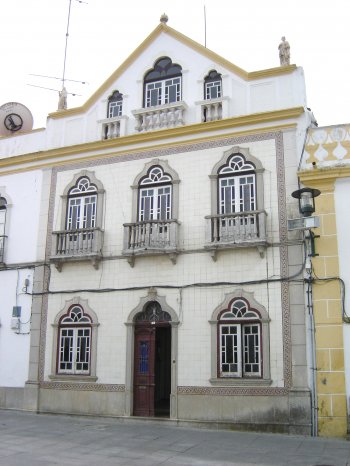
Casa do Largo Comendador Infante Passanha
- heritage
Praça Comendador Infante Passanha
7900-571, Ferreira do Alentejo
House of housing that fits very well in the urban space, reinforcing the square shaft.
José do Rego
- food & drink
Rua Nossa Senhora das Necessidades, 30
9560-418, Lagoa
Rustic house and familiar to serve good regional cuisine, with an emphasis on the Octopus to the House.
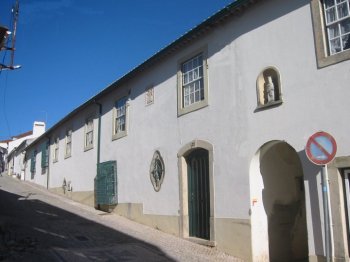
Casa do Capitão-Mor
- heritage
Rua Capitão-Mor, 23
6110-206, Vila de Rei
Civil construction from the 17th century, with ten balcony windows, interrupted by the coat of arms of the Mattos e Silva family and by a niche where the image of Queen Saint Isabel appears, alluding to the passage of Dom Dinis' wife through this town who spent the night in a building where this house was later built. During the French invasions, it was the headquarters of the Portuguese-English troops, and the Duke of Wellington and General Beresford stayed here.
Quinta Pedagógica de Silves
- leisure
EM502
8300, Silves
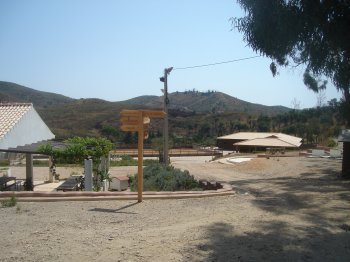
The Pedagogical Farm of Silves, located on the site of the Falacho de Cima, 8 miles from Sines, is a space designed to teach children, but also to adults, the way of life of the agricultural Farms of the early 20th century. Here are promoted several activities and ludic tasks: making bread and sweets or observation of animals. There is also an Educational Garden, a picnic area and picnic, the ethnographic museum, a Tide mill and a re-creation of the Miller's House.
Museu de Mértola - Núcleo de Arte Sacra
- heritage
Largo da Misericórdia, 5
7750-338, Mértola
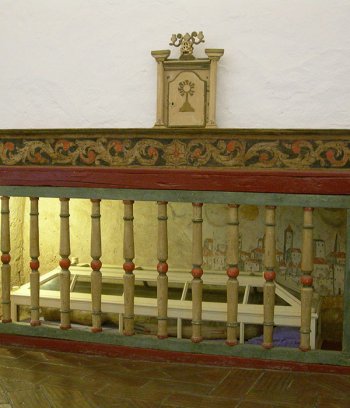
The former Misericórdia Church of Mértola houses the first municipal museum of sacred art. This space, known as Porta da Ribeira, presents a unique collection of images and liturgical artefacts from hermitages and chapels of popular worship. Here, the different nuances of humanity's relationship with various references to the sacred are reconstructed, with the exhibition of sacred art from the 14th to 18th centuries, liturgical artefacts, including chalices and processional crosses, and painted tablets.
Nau Palatina
- food & drink
Calçada de São Pedro, 18
2710-507, Sintra
In the restaurant "Nau Palatine", in Sintra, the snacks are mostly served in small portions on a slice of bread of janas (€1,50) or dose (up to €6,90), to share. The list is varied and includes secret, muchama of tuna, Octopus baked with thyme, broken eggs with sausage, in addition to the vegetarian alternatives, like the lentil fritters or the nau spiced pumpkin. Tea is one of the strengths of the House, but maybe the wine by the glass here served with better these traditional delicacies.

Quinta do Viso
- heritage
Rua Direita do Viso, 45
4200, Porto
This estate represents how agrarian houses were during the 17th century. The agrarian houses possessed the lord house, the cotter house, a thrashing floor, the barn and a chapel. The lightning goes to the south façade, to the balconies and frames in granite.
Panteão Nacional
- heritage
Campo de Santa Clara
1100-470, Lisboa
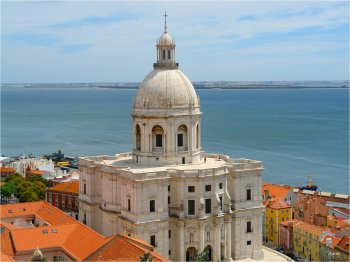
The construction of this space began in 1570 and ended only in the XVIII century, a fact is known for. The National Pantheon was placed here since 1916, with the Vasco da Gama, Afonso de Albuquerque, Nuno Álvares Pereira, Camões, Pedro Álvares Cabral, Infante D. Henrique, some Presidents and writers tombs. Amália Rodrigues, the famous fado singer, is the only woman here.
Igreja de Santa Maria do Castelo
- heritage
Rua Dom Francisco de Almeida
2200-242, Abrantes
Commissioned by King Afonso II in 1215, this church was destroyed by an earthquake in 1429 and rebuilt from 1433 onwards. In the last quarter of the 15th century, the tombs of Don Diogo and Don Lopo were built here. Of particular note are the Gothic triumphal arch, the 16th-century tombs, the Mudéjar tile panels, and part of the original altarpiece. In 1921, the Abrantes Regional Museum was established here.