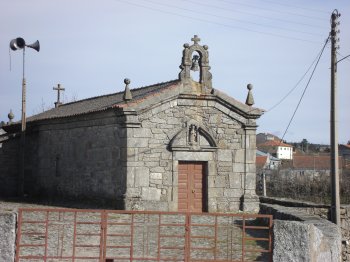
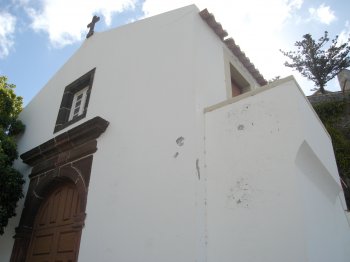
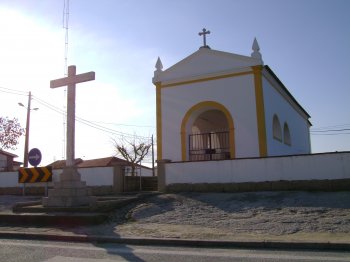
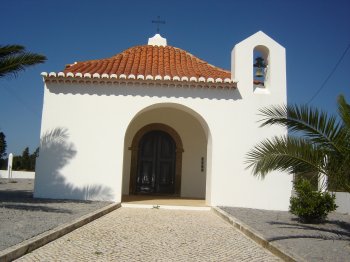
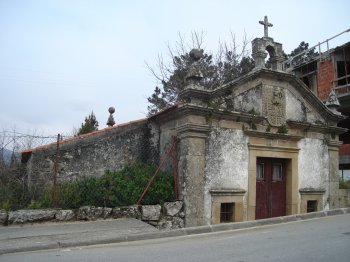
A small rural chapel probably built during the 17th century and rebuilt in the 20th century. It still keeps to the original plan, with a sacristy on its right side and a mannerist portal with a full arch.
A baroque chapel of the 18th century. It has only one nave and a rectangular high altar. A special not to an image on the ceiling of the high altar of the Patron Saint, Saint Anthony.
Chapel probably built in the 16th century, consisting of a single nave with articulated volumes and a chancel. In the interior, highlighted by a set of tiles with panels depicting the life of the Patron Saint.
Hewn chapel dedicated to St. Anthony, is a building of rectangular plant, built in granite, oriented East\/West. The original building was, throughout the ages, the target of restructuring and expansion works in order to meet the needs of the growth of the village community. This chapel has two altars: the high altar, which occupies the bedside wall and a side altar, the Gospel side, housing the main religious imaginary local devotions.
17th century Church, located in an isolated spot and in a field consisting of nave, chancel linked to small sacristy. Used to be a place of pilgrimage in the 17th and 18th centuries. In the 19th century was profoundly changed. Currently open to the sporadic cult and baptized.
Building that dates back to the end of the 18th century and, according to tradition, was built in the place where this miracle worker saint appeared to a shepherd.