The Corcéis, by João Fragoso, are at the Praça D. João I. The statues are in bronze and settled on polished granite plaques. They are two equal elements, where a young boy tries to tame a wild horse.
Evoking the King who leaved the Porto city, literally, his heart, this equestrian statue by the French sculptor Carmels, represents D. Pedro IV, in a symbolic gesture, offering the constitution to the people.
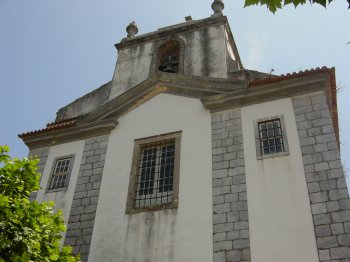
The primitive Church founded by d. Afonso Henriques, remain outside the apse remains of the primitive construction. It was rebuilt after the earthquake of 1755. Inside are three paintings on wood of the mid-16th century.
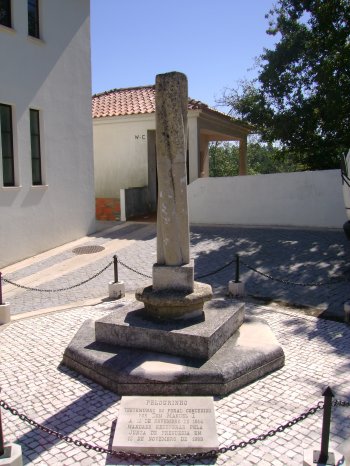
This pillory was transformed into a Calvary and it presents a three steps base above which it is settled a square base column. It witnessed the Foral granted by King D. Manuel I in the 12th November of 1514.
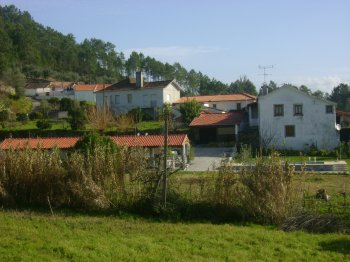
This former farm house presents today a set of two 18TH century houses: Casa d ´ Grandmother and the House of the oven. Feature living room with fireplace, kitchen with wood oven and an outdoor pool.
This small village consists of six comfortable and well-equipped apartments with balcony and (some) overlooking the sea. Highlighting the excellent location in the Centre of Olhos d ' Água and only 200 metres from the beach.
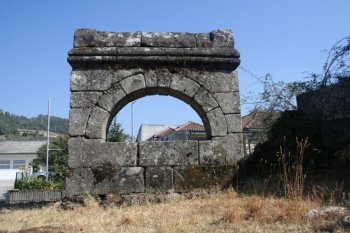
This monument was formed by a perfectly vaulted arch, above which it is placed a tomblike arch. According to the legend the tomb keeps the mortal remains from D. Souzinho Àlvares, a warrior from the Reconquest period.
This 16th century temple was remodelled on the 17th century and it is settled above a Roman mausoleum seizing part of this structure. This place is linked to the cult of São Manços, documented since the 7th d. C. century.
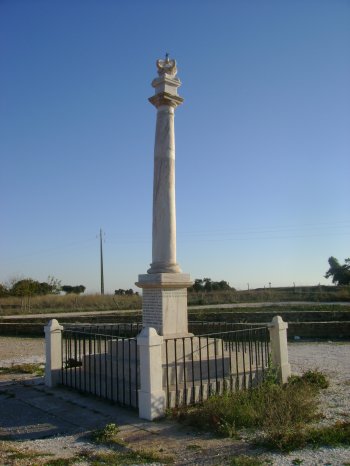
This is a Marble obelisk that highlights the Portuguese victory in the Montes Claros in 1665 with baroque abutment. It was rose by orders of D. António Luís de Menezes, Marialva Marquis on the location where the battle took place.
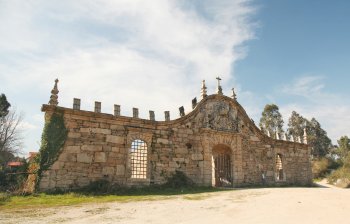
This Baroque gateway is made in granite and it has large dimensions. It is the only existing trace that in former times it used to belong to D Joana Cleofa Pereira de Sousa Amorim e Castro Godinho.