Explore the best places
Results for Mosteiro dos Jerónimos in Portugal


Núcleo Museológico de Flor da Rosa - Mosteiro de Santa Maria de Flor da Rosa
- heritage
Mosteiro de Santa Maria de Flor da Rosa
7430-999, Crato
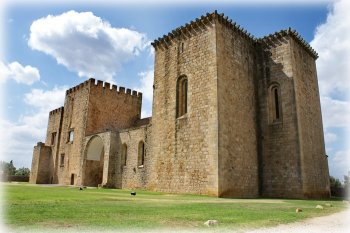
The Flor da Rosa monastery situated in the municipality of Crato, the monumental complex, started rising in the 14th century, was originally a convent fortress Church. Currently houses an Inn and is host to many cultural events. It is a religious, civil and military architecture, Gothic, Manueline, mudéjar, Renaissance, contemporary. The complex is composed of three distinct buildings, interpenetraram over time: Gothic castellated Palace, expanded in the century of 500, which gave the current Renaissance and mudéjar prospect; Gothic and Manueline fortress-Church, nave only of great height and wide transept and shallow headboard; and Renaissance and Mudejar Conventual dependencies. In …
Igreja da Madre de Deus / Mosteiro da Madre de Deus / Museu Nacional do Azulejo
- heritage
Rua da Madre de Deus, 1-B
1900-312, Lisboa
Founded in 1509, it suffered several Works, namely after the earthquake of 1755. The inside is covered with glazed tile panelling, headed with XVIII century paintings.
Centro Cultural de Belém
- art
Praça do Império
1449-003, Lisboa
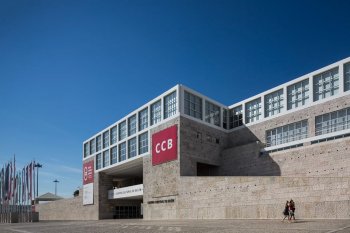
It is a modern building, opened in 1990, located between the Jerónimos Monastery and the Tagus River. It started as the seat of the Portuguese Presidency of the European Union, later becoming (1993) a cultural center. The pavilion for temporary exhibitions hosts music, theater and photography shows.
Igreja de São Vicente
- heritage
Rua Francisco de Passos
6300-558, Guarda
This seventeen hundreds temple presents a baroque façade sided by two bell ringer towers. The historian glazed tiles panels stand out and they are placed in the church nave and main chapel. It was reconstructed in 1790 by initiative of Bishop D. Jerónimo Rogado de Carvalhal e Silva.

Fortaleza do Cabo de São Vicente
- heritage
EN268
8650-370, Sagres
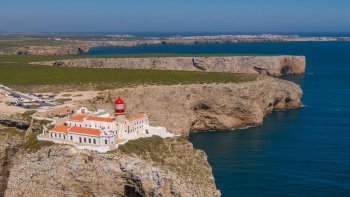
Built in the 16th century, it underwent reconstruction in the 17th and 18th centuries. The main door displays the coat of arms of Dom João II. Inside, there is a former Convent of the Jerónimos Friars, founded in the 16th century, and a chapel built over the site where, according to tradition, Saint Vincent was buried.
Núcleo Museológico do Convento de São Domingos / Antigo Convento de São Domingos
- heritage
Largo Professor Doutor Banha de Andrade - Apartado 110
7054-909, Montemor-o-Novo
Great Convent from 1550, closed in 1834 with the extinction of religious orders. The church is covered in 17th century tiles, which are rare in Europe. Consisting of 8 side chapels, in one of them Jerónimo da Cunha is buried. This space hosts occasional masses, choral concerts and exhibitions.
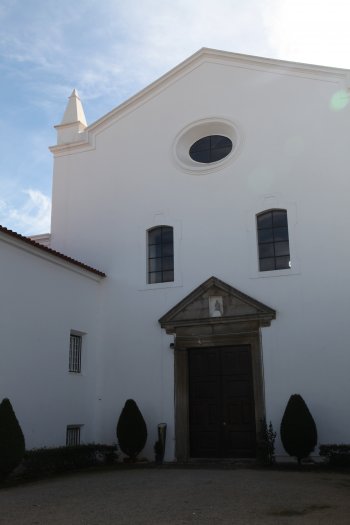
Casa do Outeiro
- hotels
Largo do Carvalho do Outeiro, 4
2440-128, Batalha
A Casa do Outeiro é um acolhedor hotel localizado na Vila da Batalha, com 15 quartos, todos com varanda, alguns com vistas para o Mosteiro de Santa Maria da Vitória, reconhecido pela UNESCO como Património Mundial e, mais recentemente, eleito como uma das Sete Maravilhas de Portugal. O hotel possui boas infraestruturas e promete um atendimento esmerado.
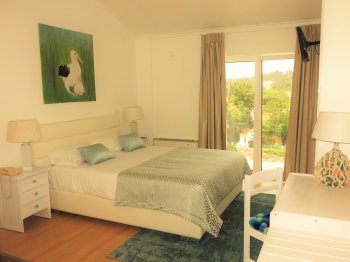
Pastéis de Santa Clara
- leisure
Coimbra
3000, Coimbra
A origem dos deliciosos pastéis de Santa Clara, em formato de meia-lua e recheados com doce de ovos e amêndoa, está associada precisamente ao Convento com o mesmo nome. Presume-se, no entanto, que já era confecionado no anterior domicílio das monjas clarissas, no Mosteiro de Santa Clara-a-Velha, fundado em 1283. Estão hoje entre os doces mais populares desta região.
Adega dos Frades
- food & drink
Rua D. Duarte I, 248 - Hotel Villa Batalha
2440-415, Batalha
O espaço da Adega dos Frades surge como se fosse uma extensão do Mosteiro da Batalha, a poucos metros de distância. Uma homenagem a uma das salas mais importantes do monumento, o claustro D. João I, como se fosse um local onde os frades trocassem as orações pelas refeições. A cozinha cuidada incorpora surpresas como a pasta de chícharo (uma leguminosa recentemente reabilitada pela região), a entremeada recheada de enchidos, o risotto de cogumelos selvagens ou o duo de cabrito e borrego com risotto de favas.
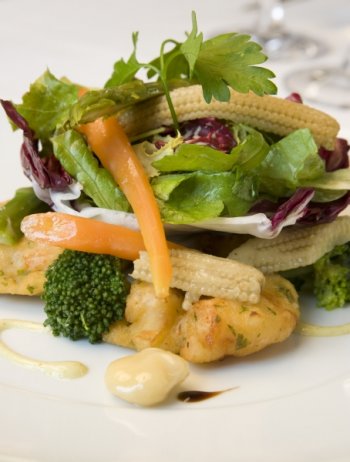
Jardim da Praça do Império
- country
- leisure
Praça do Império
1400, Lisboa
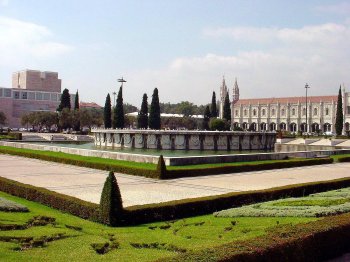
This garden is placed in the confluence of three great monuments: the Belém Cultural Centre (CCB), the Jerónimos Monastery and the Planetary. Its beauty is due to the harmony of the dispositions and architectonical plan, being that it was planed accordingly to the Greek and Roman gardens. It has lawns, benches and, at the centre, the luminous fountain, that offers a show of lights and colour.