Explore the best places
Results for access fast MAKEMUR.COM how to pay for better cell in prison Quebec City in Portugal


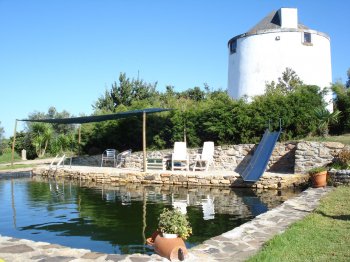
Moinho da Campa
- hotels
Herdade do MOinho da Campa
7540-060, Santiago do Cacém
Near the beaches of the Alentejo coast and the nature reserve of the Santo André Lagoon, with views over serra da Arrábida and surrounded by the aura of the past that predominates in the ruins of the Roman city of Miróbriga. There are several environments that surround this mill, transformed into a hotel. Its traditional aspect recalls the typical houses, where whitewashed walls joins the blue streak that colors the Alentejo. Offers organic pool.
Parque Municipal Quinta das Pratas
- country
- leisure
Rua 25 de Abril
2070, Cartaxo
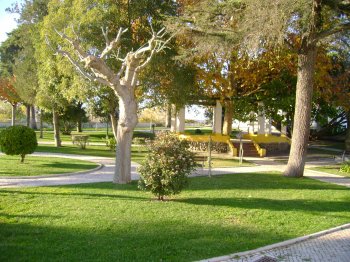
This sports and cultural complex is the largest green space in the city and a favorite spot for the residents of Cartaxo, and not only them. Besides a large lawn and an area with large trees, including a "hidden" bandstand, it houses facilities such as municipal swimming pools, tennis courts, and four rings for other sports. It also has a children's playground and houses the Rural and Wine Museum and the Viticultural Promotion Center.
Castelo de Loulé
- heritage
Rua Dom Paio Correia, 17
8100-564, Loulé
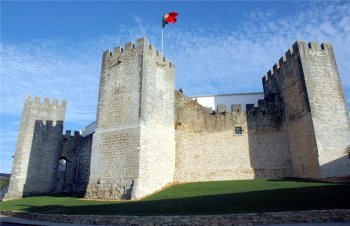
As in several villages in the Algarve, Loulé also accuses the presence of various peoples: Phoenicians, Carthaginians, Romans and Moors, who took over the city in 715. The Christian reconquest took place in 1249 and in 1268 the fortress was rebuilt and expanded, being rebuilt in the 16th century. Currently, there are some remains on Rua da Barbacã, Largo da Matriz and Rua Rainha Dona Leonor.
Castelo de Santa Maria da Feira
- heritage
Alameda Doutor Roberto Vaz Oliveira
4520-141, Santa Maria da Feira
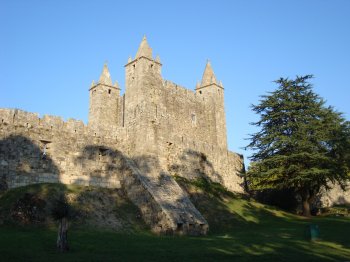
A Gothic castle, imposing and austere, where the summit towers with spires and four pinnacles stand out as ornamentation. The walls are protected by crenellated embrasures and loopholes. Outside the walls, it is worth visiting the Chapel of Our Lady of the Incarnation and the Chaplaincy House, in 17th-century Baroque style. The population moved to the vicinity of the castle attracted by the trade of goods that took place there, giving rise to the current city.
Centro Histórico do Porto
- heritage
Porto
4050, Porto
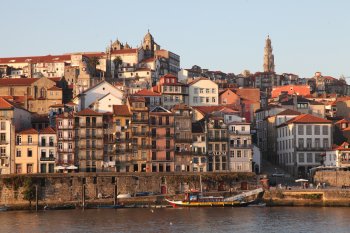
The Ribeira is most likely the most tourist city of Porto. And there are many reasons that give it that status: the proximity of the River, the views of the bridges and boats Rabelo and the possibility to visit the port wine cellars, on the other side of the Bank, in Vila Nova de Gaia. For all this and for his patrimonial relevance, in December 1996, the historic centre of Porto has been classified by UNESCO as Cultural heritage of humanity.
Convento de São Francisco / Igreja de Santa Cristina
- heritage
Avenida Conselheiro José Maria Alpoim, 432
5040-310, Mesão Frio
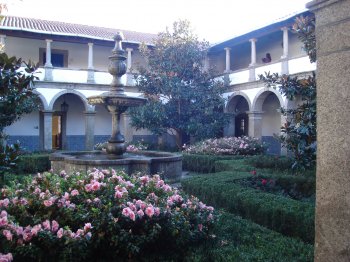
Former Mannerist Franciscan convent. Currently, the Mesão Frio City Council, the Land Registry and the Tourism Office operate in the convent building. The interior of the church features wooden ceilings, a nave with a high choir, pulpits and two chapels. Together with the Convent of São Francisco de Vinhais, it constituted one of the two convents of the Order of Friars Minor that were Apostolic Seminaries in the district.
Oceanário de Lisboa
- leisure
Esplanada Dom Carlos I - Doca dos Olivais
1990-088, Lisboa
Designed by North American architect Peter Chermayeff, it is located at Doca dos Olivais, in the heart of Parque das Nações. It was one of the main attractions of Expo 98 and, since then, it has become one of the most emblematic places in the city. In this "global ocean" four different habitats are recreated – the North Atlantic, the temperate Pacific, the Antarctic and the Indian Ocean – arranged around a central tank.

Museu Municipal de Loures
- heritage
Quinta do Conventinho - EN8, km 4,3
2660-346, Santo António dos Cavaleiros
Installed in the building that was, from the 16th century until 1834, the 13th Convent of the Order of Arrábidos, it opened its doors to the public as a museum in 1998 and presents several exhibitions related to the municipality of Loures, namely, archeology, ethnography and visual arts. It preserves two milestones found during the construction of the new Palace of Justice in the city of Loures, where a Roman Villa was also identified.
Museu Municipal de Santiago do Cacém
- heritage
Praça do Município
7540-136, Santiago do Cacém
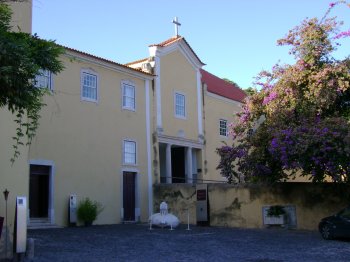
Housed in the former county jail building, built in 1844, across from City Hall, here you can explore a remarkable archaeological collection that traces the human presence in the region, from the Paleolithic to the medieval period. Of particular note is Miróbriga, an important Roman settlement, which occupies a special place in this museum, with a dedicated room where you can view exhumed pieces.
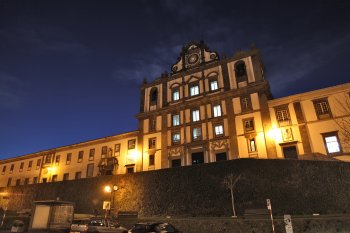
Museu da Horta
- heritage
Largo Duque D'Ávila e Bolama
9900-141, Horta
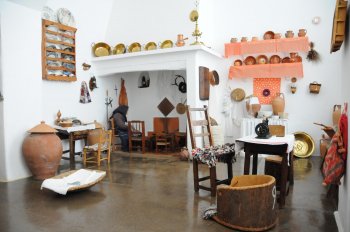
Created in 1977 in the former Jesuit College, this museum tells the history of the island and the city of Horta. The exhibition consists of ethnographic objects (by highlighting the laces and handcrafted made from fig tree), nautical, technological objects (linked to the history of communications) and artistic. It also features an exhibition of sacred art in the 16th and 17th centuries, of elements and religious figures gathered in churches and chapels of the island.