Explore the best places
Results for MAKEMUR.com d Fréiloossung aus dem Prisong kafen in Portugal


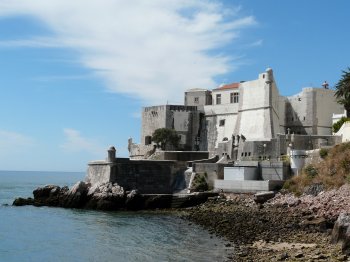
Forte de Santiago do Outão / Farol do Outão / Hospital Ortopédico do Outão
- heritage
EN379
2900, Outão
Fort located at the foot of Serra da Arrábida. Its tower is dated from 1390. In 1572 it suffered enlarging works and was completely remodelled after the Restoration War. The chapel, covered with glazed tiles from the XVIII century, is worthy of notice. In the XIX century it was a prison and later the holydays residence of King D.Carlos and Queen D. Amélia. In 1909; it became a hospital for orthopaedic diseases and maintains its function until today.
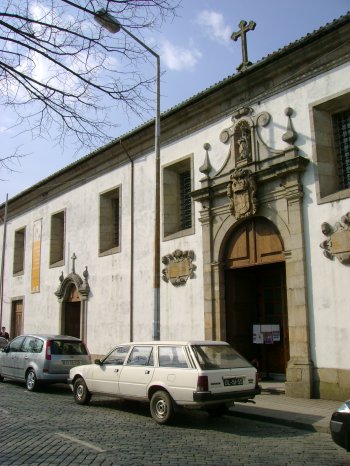
Igreja de Nossa Senhora do Terço
- heritage
Avenida dos Combatentes da Grande Guerra, 252
4750-279, Barcelos
This church was constructed in 1707 by the Archbishop of Braga by orders of King D. João V. It used to belong to the Benedictines convent and after the religious orders extinction it was given in 1846 to the Rosary Sorority. In this seventeen hundreds church it is worthy t mention the many objects filling the inside: the ceiling has 40 panels painted with biblical scenes, the altars are in golden carve, the canopy pulpit, the valuable statuary and three big sixteen hundreds canvas.
Guindalense Futebol Clube
- food & drink
Escada dos Guindais, 43
4000-337, Porto
Guidalense Futebol Clube is a mythical terrace located in the historic heart of the city of Porto. Surrounded by the D. Luís Bridge, the Guindais stairs and the Fernandina Wall, with the Porto Cathedral just a few meters away, it stands out for its superb views over the Douro River and is a perfect place to enjoy the end of the day, with a beer and a "francesinha" or any other snack. For many people from Porto it is a mandatory stop on São João festivities.

Aqueduto das Águas Livres
- heritage
Rua Dom Diniz
1685, Famões
Belonging to the set attached to the Águas Livres Aqueduct, an aqueduct, in stone, created to get water to the Terreiro do Paço de Queluz for consumption of the Royal Mews. The work was created in the place of two sources: the source of Gargantada and do Pocinho and served several fountains and fountains in Queluz. Built by d. João V, in 1731, was only to be done in the mid-19th century. The main section is 14 kilometres in length, of which eight in the municipality of Amadora.
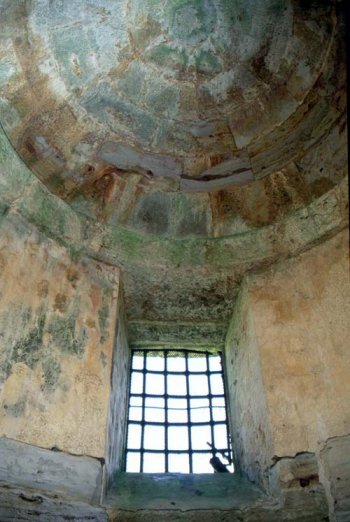
Igreja de São João Evangelista das Carmelitas
- heritage
Praça do Marquês de Pombal
3810-133, Aveiro
The construction began in 1610 as the Paço de D. Brites Lara (Palace), and in 1657 the Ordem das Carmelitas feminine convent, space where the church is integrated, was built. By the end of the XVII century the pulpits were built and the dressing in golden woodcarving began. In the next century the referred woodcarving was combined with azulejos (glazed tiles) from the Vital Rifarto factory. Already at the XX century, the building suffered repair works, being classified as National Monument.
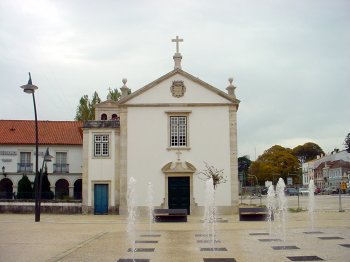
Igreja da Misericórdia de Oleiros
- heritage
Rua Dr. Francisco Rebelo de Albuquerque
6160-413, Oleiros
Religious architecture built during the reign of D. Manuel I, with a single nave and niche on the main facade, on which appears the inscription with the date 1714, which probably indicates the year in which the reconstruction works were completed. Inside you can see the national style gilded altarpiece and the images of: S. João Evangelista, Nossa Senhora das Dores, Senhor dos Passos and Senhor Morto. These images are life-sized and highly expressive.
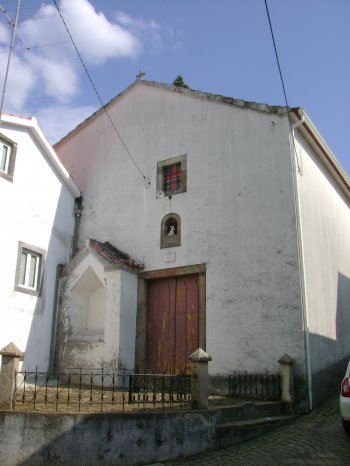
Mosteiro de Grijó
- heritage
Alameda do Mosteiro Grijó
4415-998, Vila Nova de Gaia
The primitive monastery, called Monastery of São Salvador de Grijó, was founded in 922 in the place of Muraceses. It was only in the year 1112 that it was moved to its current location. In 1770 the convent was extinguished, passing its assets to the Convent of Mafra. Of note are the gilded carvings and the 18th century tiles in the chancel, as well as the pipe organ, from the end of the 18th century and beginning of the 19th century. Also noteworthy is the tomb of D. Rodrigo Sanches, classified as a National Monument.
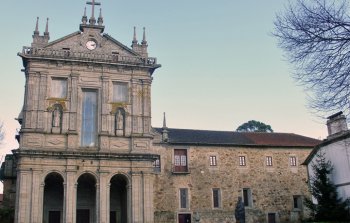
Moules & Gin
- food & drink
Rua Nova da Alfarrobeira, 14
2750-452, Cascais
The restaurant Moules & Gin, is located in the Centre of Cascais, near the Jardim Visconde da Luz, and like its name indicates serves Mussels (moules) with various sauces and also makes a strong bet on diversity of gins available. Belgian style, the restaurant opened in May of 2013, and since then has won many fans. With fries, the mussels are served with the famous sauce to Meunier, but also the Mediterranean tomato sauce and herbs, with Thai sauce, flavored with ginger and lemon grass, or even with the sauce Fraiche, done naturally with crème fraîche and lima. As Portuguese …
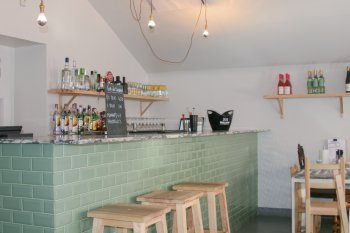
Alegrete
- country
- heritage
Alegrete
7300-311, Portalegre
Village with origins that go back to the D. Dinis Reign, when it was inhabited. Besides its interesting historical value, the Alentejo characteristics also stand out in its constructions, namely the white row of houses. As for the architectonical patrimony are worthy of notice the Alegrete castle, National Monument, the clock tower, the parish church of S. João Baptista, a construction from the XVI century, the bandstand, the ruins of the S. Pedro chapel and the Misericóridia chapel, dated from the XVII century.

Pestana Bahia Praia
- hotels
Praia de Água d'Alto, Apartado 8
9680-365, Água d'Alto
O Pestana Bahia Praia é um hotel 4 estrelas localizado no Arquipélago dos Açores, na ilha de S. Miguel, com acesso direto à Praia Baia de Água d ´Alto e com uma fantástica vista para o oceano Atlântico. A Ilha de S. Miguel é a maior do arquipélago e tem uma forte ligação ao mar e à natureza.