Explore the best places
Results for PROBLEMGO.COM d Fréiloossung vu mengem Jong kafen in Portugal


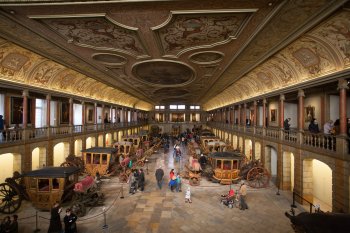
Picadeiro Real de Belém
- heritage
Praça Afonso de Albuquerque
1300-004, Lisboa
Inaugurado em 1944, este salão foi projetado pelo arquiteto Raul Lino. Em memória do excelente trabalho de proteção e divulgação deste património hipomóvel, iniciado pela rainha D. Amélia, permanece no espaço do Antigo Picadeiro, um núcleo expositivo visitável com coches e berlindas, a galeria de pintura da família real, assim como um conjunto de acessórios de cavalaria.
Caminho de Santiago - Braga
- heritage
Rua do Cabido
4700-417, Braga
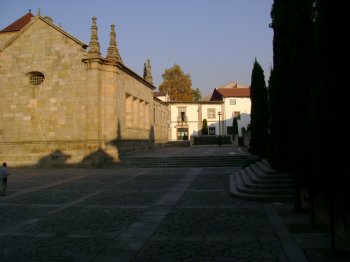
Named by "Caminho de Geira Romana", this road is signalized by millenarian roman marks, being part of the way that connected Braga to Santiago de Compostela and to Rome. Here we leave the suggestion to a small circuit in Braga about the cult of Santiago. At the historical centre, begin by the See, following through the D. Gonçalo Pereira Street and São Paulo Plaza, until you reach the Santiago Plaza, where you can see the Santiago’s Fountain and tower as a reminiscence of the medieval fortress walls. Next
Corpo Santo Lisbon Historical Hotel
- hotels
Largo do Corpo Santo, 25
1200-129, Lisboa
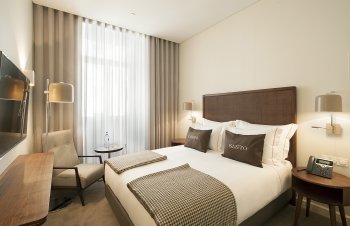
Localizado no Cais do Sodré, à beira do rio Tejo, é um ótimo ponto de partida para explorar a cidade. Possui um restaurante com vista privilegiada para uma das ruas mais carismáticas de Lisboa e uma sala de estar muito especial, onde se encontra preservado um troço da Muralha Fernandina, mandada construir pelo rei D. Fernando em 1373.
Castelo de Belmonte
- heritage
Largo do Castelo
6250-067, Belmonte
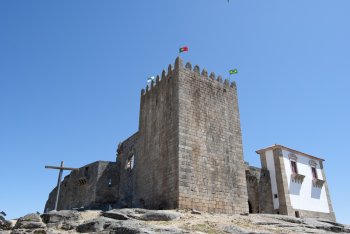
As we approach the entrance to the village, we come across its Castle, classified as a National Monument. Pedro Álvares Cabral, the most famous inhabitant of Belmonte, was born here. The fort was built in the 13th century, at the behest of D. Afonso III, and in 1466 it became the residence of the Cabral family. One of its most emblematic points is the Manueline-style window from the 16th century, from where you can enjoy a breathtaking view of the valleys and mountains that surround the village.
Castelo de Palmela
- heritage
Avenida dos Cavaleiros de Santiago e Espada
2950-317, Palmela
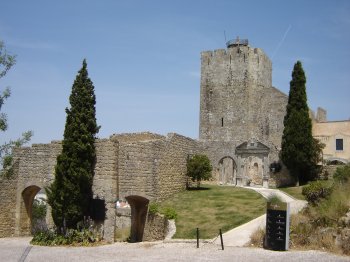
The fortress stands on the eastern spur of Serra da Arrábida, from which you can see an extensive landscape from Sines to Sintra. Its main points of interest are the entrance, the 17th century walls, the convent of the Order of Santiago, the church of Santiago, from the 15th century, the Paços de D. Jorge, the turrets, the 14th century keep, the ruins of the church of Santa Maria, the parade ground and several portals. There is also the Castle Nucleus, one of the museum spaces of the Palmela Municipal Museum.
Antigos Paços do Concelho e Cadeia de Castelo Branco - Domus Municipalis - Centro de Interpretação do Bordado
- heritage
Praça Camões
6000-262, Castelo Branco
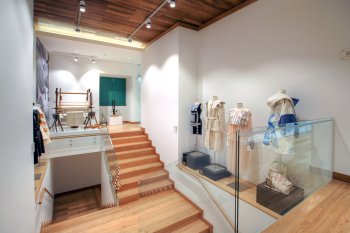
Located in Praça Velha, this 16th-century Manueline-style building stands out for its architecture and the elements that characterize it. On the main façade, the balcony, the Coat of Arms of Portugal, the Coat of Arms of D. Manuel, the Armillary Sphere, and a tombstone in Latin, from 1646. Above the main door, there is a belfry, now without a bell, which in the past announced the closing of the city's defensive gates. Institutions such as the City Council or the jail have already operated in this place, which currently houses the Embroidery Interpretation Centre.
Casa d'João Enes - Afife Residence
- hotels
Casa d'João Enes, 50
4900-012, Afife
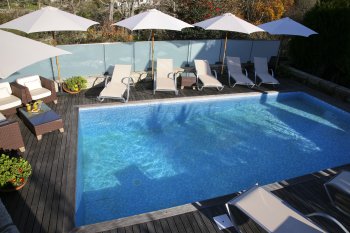
Located in Afife, Viana do Castelo, the Casa D' João Enes – Afife Residence, has been recently inaugurated. It relies on a concept of intimate tourism focused on bringing together a sophisticated atmosphere of comfort and wellbeing in perfect harmony with nature. With 10 rooms distributed throughout two carefully refurbished 17th century buildings, with access to a pool and gardens, just 15 minutes on foot to one of the best beaches of southern Europe, await you in this magnificent natural environment.
Forte de São Clemente
- heritage
Largo de Brito Pais
7645-234, Vila Nova de Milfontes
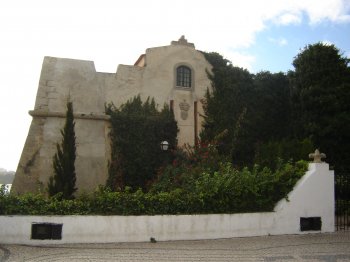
From this fortress, built at the end of the 16th century, one can view almost the entire Vila Nova de Milfontes. Originally built with a polygonal plan, with canon areas and two triangular bastions, it was damaged in seevarl ways in 1638. During the reign of D. João IV it underwent changes and its military capacity grew bigger. A model of the military mannerist architecture, it was later turned into a residence and a medieval turret with battlements was added to it. Currently, the trench and the walls are surrounded by vegetation and flowers.
Muralhas de Guimarães
- heritage
Avenida Alberto Sampaio
4810-250, Guimarães
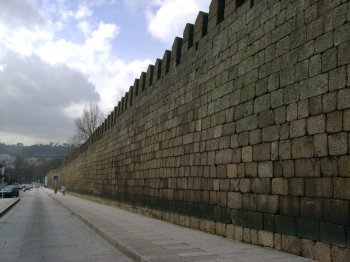
The high part of Guimarães was the first to approach the wall; it was probably during the Kingdom of D. Dinis. From this wall that is extended through around two thousand metres, it only survived an extensive chunk and from the eight towers that were distributed thought the wall, there is still one on the Vila Door. This wall construction started in Dom Afonso III Kingdom and finished during Dom Dinis Kingdom. This wall used to connect the Castle town to Santa Maria town, on the lower part.
Palácio dos Sousa Câmara
- heritage
Praça da República, 35
7160-207, Vila Viçosa
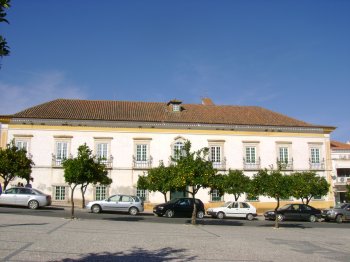
Another work by the architect José Francisco de Abreu. José Bernardo de Sousa da Câmara was municipal councillor in 1752 and retired in 1798 from the rank of sergeant-major of cavalry, having died shortly after. The House was left to a niece-d. Rrr Xavier Caetano de Aragã. Is the largest manor houses of the village and retains its residential function, in great condition, outside and inside. The facade follows a sober style and symmetrical. Inside there is a chapel and several neoclassical murals.