Explore the best places
Results for come on in MAKEMUR.com Looking to pay a clerk to change the court date so I miss it Alabama in Portugal


Igreja Matriz de Coura / Igreja de São João Baptista
- heritage
Largo da Igreja
5110, Coura
Baroque parish church of longitudinal plan consists of nave and chancel slightly narrower. Has adossados: vestry and belfry. The belfry is a double bell with access by stairs. Interior with baptistery in subcoro, on the side of the Gospel. Presents the building walls along the cruises with the dates of epigrafadas interventions.
Cruzeiros de Celas
- heritage
Largo da Cruz de Celas
3000-132, Coimbra
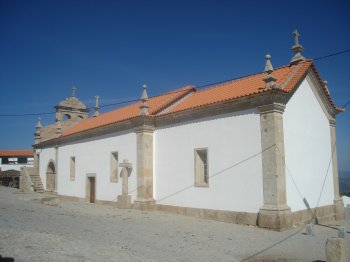
Set of two cruises, one dated 1622 and the other of 1623. The cell Cross features four steps, a base with two inscriptions and a simple, unadorned cross. The cross of the monastery features a pedestal box, a simple Doric column and a small cross with Crown of thorns and an inscription.
Fonte Nova
- heritage
Rua Direita
5140, Carrazeda de Ansiães
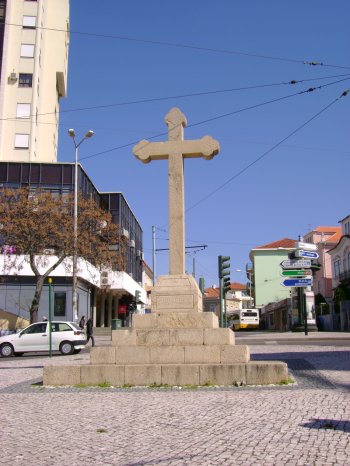
Granite fountain with the inscription at the top with the date of 1914. As can be read on the Board which appears in the upper right corner, "commissioned by Manuel dos Santos Costa to replace the source of the Pork that was 50 metres of the street to the East. There are books that speak of linhares and refer to the source of the Pork. "
Fonte da Lameira
- heritage
Rua do Frade
6040, Atalaia
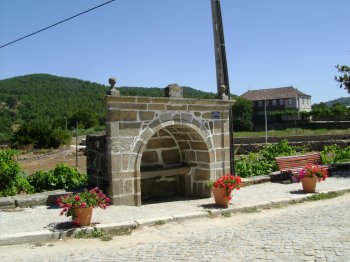
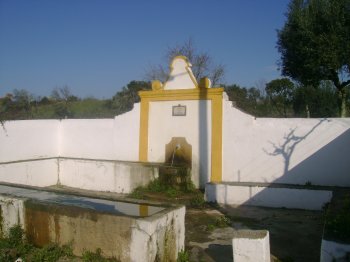
This fountain dates from 1875, was commissioned by the municipality of Gavião and intended to be a source of water supply of the population, especially in times of drought. It is said that also served as a meeting point for couples in love, since the girls came to fetch water with the pitcher in the head and their suitors there were waiting.
Igreja da Misericórdia de Guimarães
- heritage
Rua Rainha Dona Maria II, 36
4810-269, Guimarães
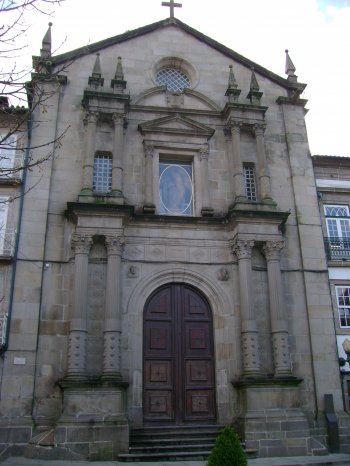
Erected in the late 16th century, in Renaissance style, this church with the participation of architects vimaranenses Gonçalo Lopes and João Lopes de Amorim. We highlight the main altarpiece, dating from the late 18th century and organ cases with risk of Fr. José António Vilaça.
Praça Forte de Valença
- heritage
Fortaleza de Valença
4930-619, Valença
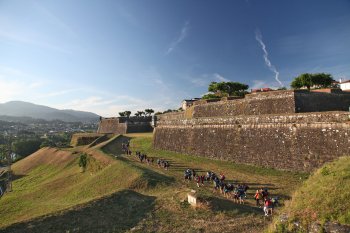
These fortifications date back to the 17th century and were built to withstand the struggles for independence. It was one of the most important strongholds in the country. Currently, four gates and twelve bastions remain, built at different periods. Old artillery pieces can be seen on the terraces. It was remodeled in 1640.
Rua da Restauração
- heritage
Rua da Restauração
4150, Porto
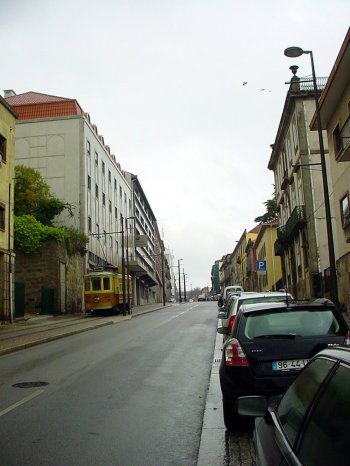
This street, dated from 1844, was very hard to build because of the granite existent there. It connects the Cordoaria Garden with the Cais de Massarelos, going through the picturesque Largo do Viriato. In the middle of the way you may enjoy the beautiful view over the Douro River.
Casa das Quatro Cabeças
- heritage
Rua de Fran Pacheco, 44
2900-373, Setúbal
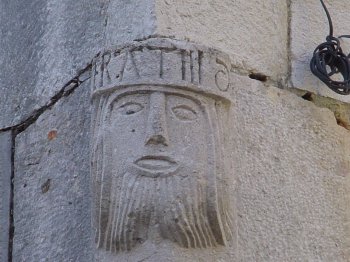
Building located in the heart of the old fishing village, has 3 floors and is an example of the city construction of Setúbal during the modern age. Over time underwent several changes but kept the essential characteristics of different eras of construction, with the ground floor to present testimonies Manueline. According to legend, this building is related to the attempted assassination of King John II, during a procession of God's body held in town sadina. At the top of the door is recorded a Latin inscription, cut by a sculpted head. On the corner of the building are the remaining …
Palácio dos Condes de Castro Guimarães
- heritage
Avenida Rei Humberto II de Itália
2750-319, Cascais
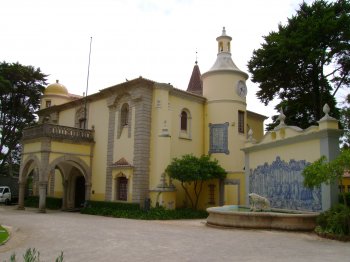
This palac was built at the beginning of the 20th century by the capitalist Jorge O'Neill according to the plan of the architect and painter Manuel Vilaça. Like a medieval castle it has several styles, namely the romantic style with gothic references, manuelin and Spanish-Arabic. In 1910 the count bought the building and made several changes to it. By testament, this building was left to the people of Cascais and a small museum and a library were introduced. It as several interesting works, many of which regarding Cascais, and some Indian-Portuguese furniture, namely counters of the 17th and 18th centuries.
Centro Histórico de Pinhel
- heritage
Rua de Santa Maria
6400-410, Pinhel
Pinhel's origins date back to the Chalcolithic period, but earlier remains exist, as suggested by the rock carvings in Cidadelhe, in the Côa Valley. For this reason, the historic center of this town deserves a long stop, to appreciate its narrow streets, adapted to the terrain, and the rich heritage of the medieval and modern periods.