Explore the best places
Results for enter secure PROBLEMGO.COM can i pay to get out of jail tonight Zaragoza in Portugal


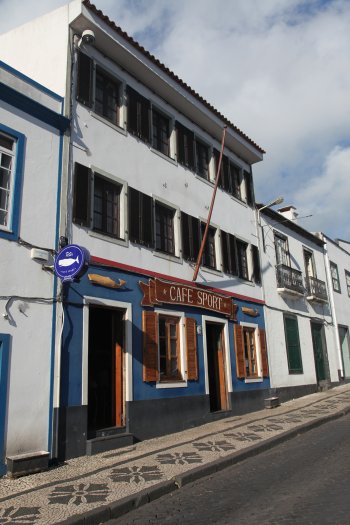
Museu do Scrimshaw
- heritage
Rua José Azevedo (Peter), 9
9900-027, Horta
In this space you can enjoy a remarkable collection of artifacts of Whale bones and teeth and carved sperm whale. "Scrimshaw" is the name of the technique of carving whale teeth, formerly of hobby sailors and whalers. It also includes an exhibition of books with dedications and recollections of the sailors who visited Peter Café Sport.
Parque Arqueológico do Vale do Côa
- art
Avenida Gago Coutinho e Sacadura Cabral, 19
5150-610, Vila Nova de Foz Côa
This is the largest open-air Paleolithic museum, where you can see a variety of rock engravings. The most important rock art sites are Canada do Inferno, Ribeira de Piscos, Penascosa, Quinta da Barca, Fariseu and Faia. It is listed as a National Monument and a World Heritage Site.
Reservas Museológicas Visitáveis
- heritage
Rua 11 - Edifício 117, Zona 2
2830, Barreiro
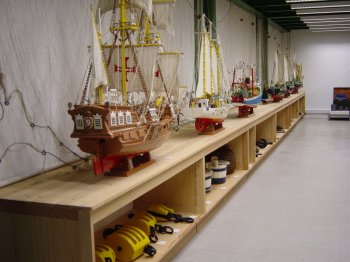
It has a pemanent exhibition: " an identity's pathway" where places and some of the history of the Barreiro parish are pictured. One can view, among others, an 18th century tile panel with the image of Our Lady of Rosary as well as old traditional boats. There is also a temporary exhibition where archeologists work.
Ecomuseu do Rancho Folclórico de Torredeita
- heritage
Rua Fundação Joaquim dos Santos - Torredeita
3511-903, Torredeita
In this space one can view exhibitions of agricultural artefacts, a collection of oxes carts, home utensils and other utensils for several professions. The aim is to exhibit the traditional life and the ethnography of the region. Other exhibiteed objects are toys, regional clothings, music instruments as well as other relics typical of the region.
Casa O Nascer do Sol
- hotels
Largo da Eira Velha, 5
3360-034, Penacova
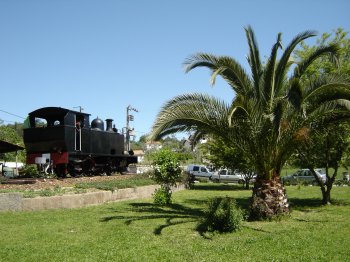
The Sunrise House offers spacious, bright rooms with private bathroom, television and central heating. The room also offers a cosy space for breakfast, overlooking the pool. Can still do tours of the small village, where you feel the smell of Rosemary, lemon balm, eucalyptus and pine trees.
Cruzeiro do Cartaxo
- heritage
Largo de São João Baptista
2070-039, Cartaxo
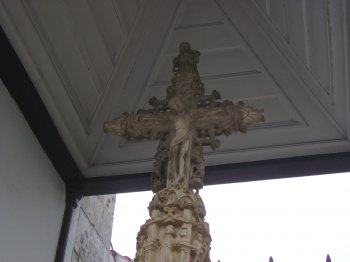
On one side of the main church, facing a small garden, stands this Manueline cross. The sculpture, made from a single stone, features delicate lacework and the image of the Crucified Lord of Sorrows. Elements such as a cross with vegetal motifs, a representation of the Pietà, and the faces of the Crucified Christ and the Virgin Mary can be discerned.
Mamoa da Arregada
- heritage
Cambeses do Rio
5470-041, Cambeses do Rio
This megalithic monument was virtually destroyed by the road linking Montalegre to Sezelhe. Their mainstays were destroyed, noting only a mound which can be confused with remains of land resulting from the opening of the road. It is believed that this tumulus was 28 feet in diameter and 1, 15 meters high, integrating the tumuli of Pereiro.
Igreja de Santa Maria do Castelo
- heritage
Castelo Mendo
6355-051, Vilar Formoso
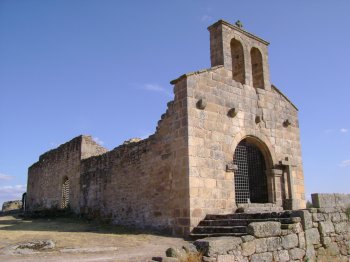
Architecture of religious type, consisting of chancel, nave, sacristy, belfry and side chapel. This is private and belongs to the family Pinto da Fonseca. This construction there are only ruins, but you can still see the square base of the pulpit and the respective ladder, the triumphal arch broken and, laterally, the tables of the side altars.
Igreja da Misericórdia de Castanheira de Pêra
- heritage
Praça Visconde de Castanheira de Pêra
3280-017, Castanheira de Pêra
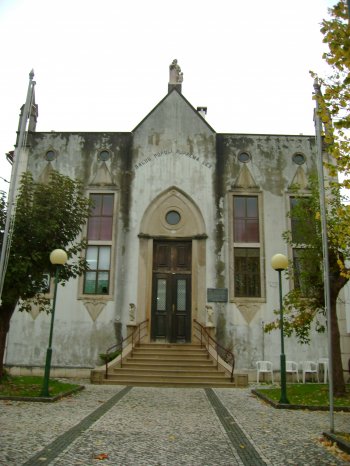
20th-century religious architecture. It features a landscaped, cobbled atrium, where you can see the busts of the Viscounts of Castanheira de Pêra. Inside, you'll find the Chapel of São José, with its neo-Gothic altar in white and gold. It currently serves as the São José Nursing Home.
Moinho da Quintinha/ Cumeada
- heritage
Estrada das Cumeadas
7540, Santiago do Cacém
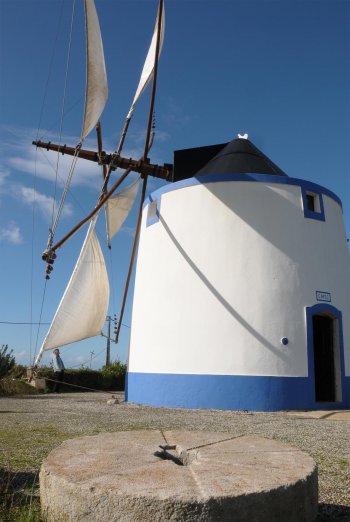
A masonry mill with a truncated cone-shaped tower and a rotating cap driven by a windlass. It has been in operation since 1982. Whenever weather permits, tourists can observe the traditional grain milling process. At the beginning of this century, the Quintinha Mill is the only example in Portugal of the beginnings of a milling school.