Explore the best places
Results for proceed to portal PROBLEMGO.com pay for early release from jail HMP Berwyn in Portugal


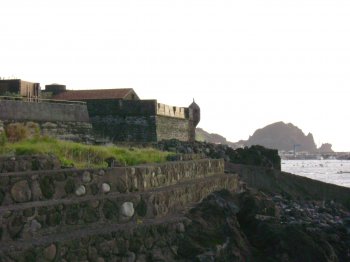
Castelo de Santo António / Forte de Santa Catarina
- heritage
Rua do Castelo
9930-138, Lajes do Pico
Old fortification dating from the 18th century, of which only some ruins remain. The entire complex was built in stone masonry, except for the area next to the sea, built in reinforced concrete. Inside, there are remains of an old lime kiln, dating back to the end of the 19th century.
Castelo de Vila do Touro
- heritage
Rua dos Templários
6320-592, Sabugal
Castle probably dated from the Bronze age and rebuilt during the reign of Dinis. In 1319 moved to the hand of the order of Christ. At the time of the restoration War, residents erected a stronghold around, with defensive purposes. Consists of a walled perimeter that includes a single door with double row of staves.

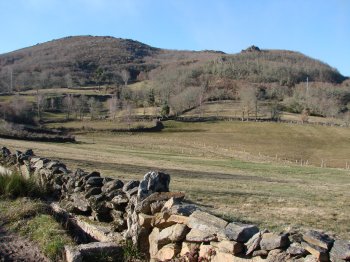
Cividade de Frades
- heritage
Frades
5470-042, Cambeses do Rio
Traces of a Roman settlement located at the bottom of the shed Southeast of Castro de Frades, in agricultural land. When ploughing the fields, appeared in this space remains of "tegullae" and common Roman pottery, booty common to settlements from the Roman era. It is believed that this town is later than to castro.
Convento de Nossa Senhora do Desterro
- heritage
Caminho do Convento
8550, Monchique
Legend has it that the construction of the Convent was due to the fulfillment of a promise. Two sailors on the high seas, when in danger, swore to build a church in the first land of Portugal they saw from the sea. Convent full of traditions, with a centuries-old tree, the magnolia, classified as being of public interest.
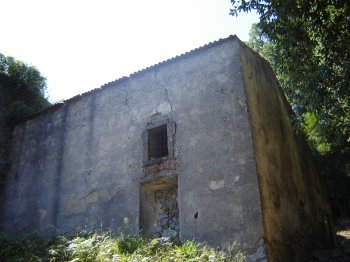
Convento de São Francisco / Arquivo Municipal
- heritage
Elvas
7350, Elvas
Monument of religious type, belonging to the set of fences of the Capuchos Convent of Mercy. It was founded in 1518, although it was founded twice, in 1591, which was once moved to the top of the Hill, alongside the aqueduct of Amoreira. The construction of the cemetery dating from the 19th century. The privileged views on Elvas remain.

Casa de Valverde
- heritage
EM530
4970-693, Arcos de Valdevez
Construction dating from the 18TH century, has undergone minor modifications in the 20th century. Like many manor houses of Minho, is composed of two three-storey towers connected by a central body but low. In the Centre, the encimar the door of access to the piano nobile, is the coat of the Hailstorm.
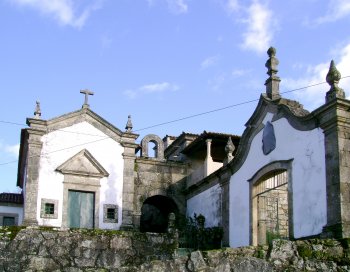
Casa do Fojo
- heritage
Rua do Fojo
4400-459, Vila Nova de Gaia
Dating from the 18TH century, Casa do Fojo is a two storey building, of great sobriety and great balance, located just outside of the ceramic factory do fojo. The facade is formed by three bodies, with the sides ripped through a window, ending in an arc with a cross on top.
Capela de São Roque
- heritage
Largo de Nossa Senhora das Febres
3800-232, Aveiro
This chapel is linked to the popular cult and suffered many reconstructions, so the exact date of its establishment is unknown. It owns the remaining of a Manueline crucifix in a warping which is probably from the XV century. The remaining of XVII century woodcarving which forms a retable ensemble stands out.
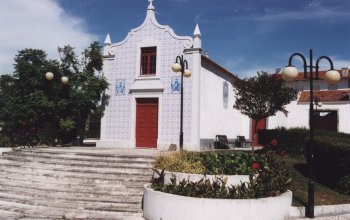
Capela de Nossa Senhora da Alegria
- heritage
Bairro Senhora d'Alegria
3040, Coimbra
Chapel of longitudinal plant, consisting of a nave, a chancel and a vestry located near the left side. It was built in 1634, showing features of Mannerist and Baroque architecture. Inside, highlighting some 18th-century tiles that line the walls of the chancel, depicting scenes from the life of the Virgin Mary.
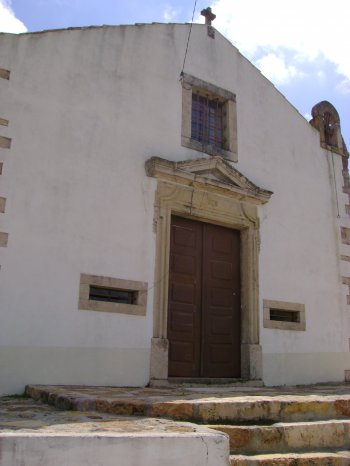
Capela de Santo António
- heritage
Bairro de Santo António
3320, Pampilhosa da Serra
Alpendrada Chapel, probably dating from the 16TH century or 17th century. A 16th century chapel or seventeenth century with 17th century sculpture of Santo António but Renaissance type, with common characteristics of rural temples in the region. The altarpiece in carved and gilded 17TH century white inside.