Explore the best places
Results for Santa Maria do Bouro in Portugal


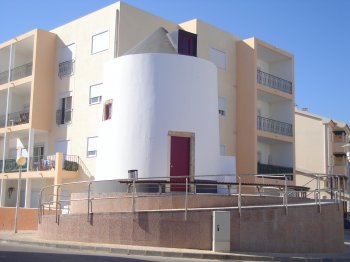
Mosteiro de Santa Clara-a-Velha
- heritage
Rua Baixo, 57
3040-266, Coimbra
The monastery was originally founded by Dona Mor Dias in 1283. In the 14th century, Clement V granted permission to Dona Isabel of Aragon to found a new monastery, which was established on the same site, with the renovation and expansion of the old buildings. The church was consecrated in 1330 and suffered its first floods in 1331. The degradation caused by the floods led to its abandonment in 1677. The church, with its vaulted nave, is an example of mendicant Gothic architecture. Notable features include the remarkable Hispano-Moorish tile panels, the rose window on the western façade, and the …
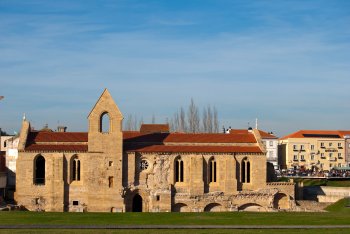
Mosteiro de Santa Marinha da Costa
- heritage
Largo Domingos Leite de Castro
4810-011, Guimarães
Convent founded in the 12th century by Queen Dona Mafalda, wife of Dom Afonso Henriques. The monastery owes its current appearance to the reconstruction that took place in the 16th century. The vault of the chancel and the cloister covered with tiles from the 18th century date from this time. The interior follows rococo and neoclassical styles. Note the choir, pulpit, organ and rococo carvings decorated with angels and mythological figures. In 1951, a fire damaged the convent part, which was restored and turned into a Pousada.
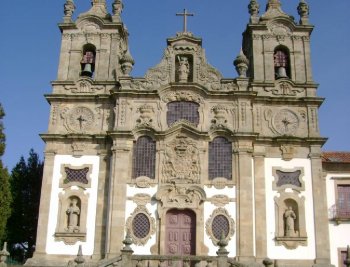
Mosteiro de Santo André de Ancede
- heritage
Ancêde
4640-021, Ancede
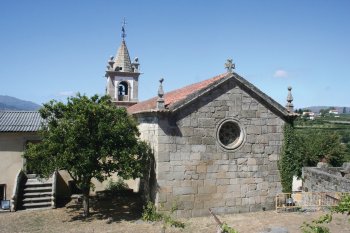
Of the Romanesque construction of this important monastic church, first by the Canons Regular and later by the Dominicans, we can only point out the structure of the chancel, where the rose window stands out. All the rest of the monastic set, valuable for its artistic capital and for its local and regional influence, is the work of the Modern Period. We highlight the Baroque interventions that reveal a period of space revitalization in the 17th and 18th centuries.
Mosteiro de Santo André de Rendufe
- heritage
Rua David Leandro da Silva, 9
1900-652, Lisboa
Dating from 1660, deserve reference the blue tiles from the 17th century, existing in the tops of the old dorms.
Mosteiro de Santo Estevão de Vilela
- heritage
EM602, 441
4580-660, Vilela
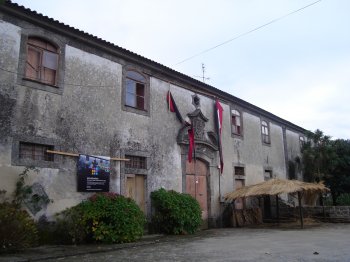
The Santo Estevão de Vilela Monastery is composed of a church and of the monastery's house. It was built even before Portugal's foundation. By the church there is the old monatery's building, composed of three aisles with a square shape. There is a coat of arms on the main entrance that stands on a lintel in a segmetal arch that ends in a partial triangular shape. In the third aisle, a special note to the manuelin chimney. Inside the temple, the high altar is golden carved. The monastery is being restored and the space will be converted into a museum …
Porta do Espírito Santo ou de São Sebastião
- heritage
Rua Fernando Namora
6060-091, Idanha-a-Nova
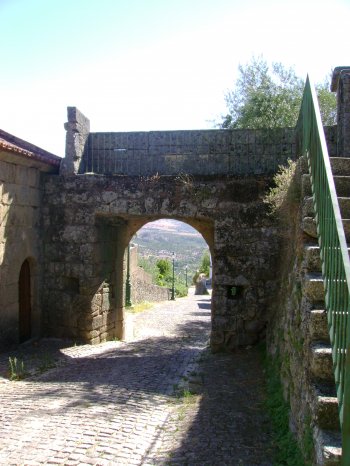
Door belonging to Monsanto's Castle, with a straight lintel on the inner side and Arch on the outer side. Presents a guardhouse located near, of square plan and partly without roofing, with door lintel rectum.
Portas Duplas de Santo António
- heritage
Rua Conselheiro Hitze Ribeiro, 30
6350-234, Almeida
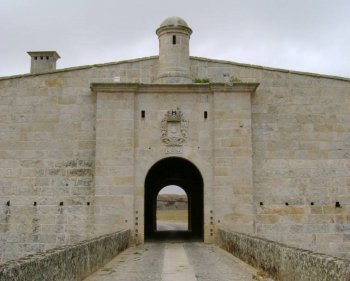
17th century doors, designed by Jerónimo Velho de Azevedo, of monumental size. Laterally, they are protected by the so-called Casas de Guarda (Guard Houses).
Pousada de Santo António de Serém
- heritage
Macinhata do Vouga
3750, Águeda
Inn built of root in 1939, being one of the first hostels in Portugal to be built. Currently, lies in refurbishment, no longer belonging to the network Pousadas de Portugal.
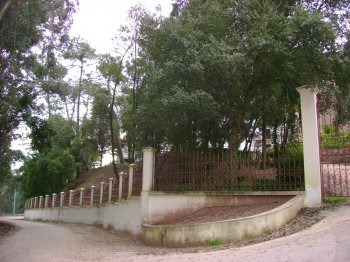
Prédio na Rua do Santo Espírito
- heritage
Rua do Santo Espírito, 71
9700-178, Angra do Heroísmo