Explore the best places
Results for proceed to portal PROBLEMGO.com pay for early release from jail HMP Berwyn in Portugal


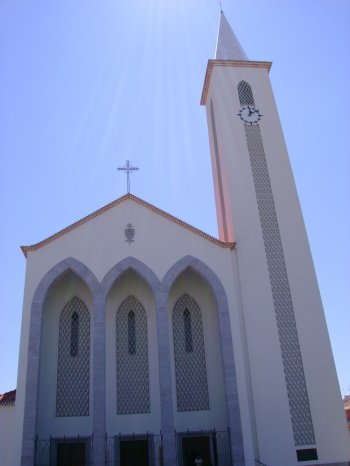
Igreja Matriz da Amadora
- heritage
Praça da Igreja, 28
2700-458, Amadora
Church where the bell tower with clock stands out, visible from several spots of the city. Inside it has three altars, dedicated to the Sacred Heart of Jesus, Saint Joseph and Our Lady of Fátima. The sculpture of Our Lady of Conceição, patron saint of the city, stands out.
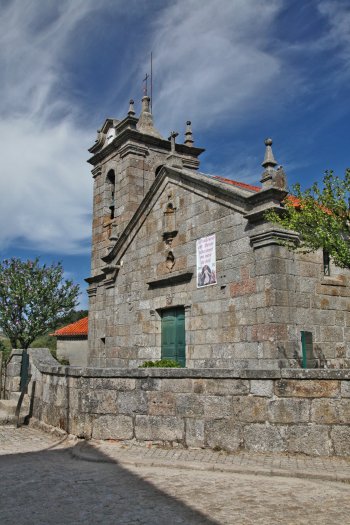
Igreja Matriz de Castro Laboreiro / Igreja de Santa Maria da Visitação
- heritage
Avenida Padre Anibal Rodrigues
4960-035, Castro Laboreiro
This is a Romanic temple in which it is possible to notice two construction phases: one is pre- romanic and the other is from the second half of the 18th century. On this last phase it was added the tower, the main chapel and the façade was remodelled. It is worth to mention the baptismal font in Romanic style due to its decoration.
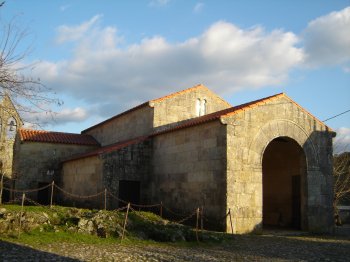
Igreja de São Pedro / Igreja Matriz de Lourosa
- heritage
Largo do Monumento Nacional
3400, Lourosa
Its pre-Romanesque origins make this church a rare example in Portugal. This Mozarabic temple reflects the diversity of influences it experienced during the First Reconquista. The uniqueness of this church also stems from the reused Roman, Visigothic, and Arab materials, and the monumentality of the galilee and the three naves with horseshoe arches.
Igreja de São Pedro de Grilhões
- heritage
Rua de São Pedro
2665-004, Malveira
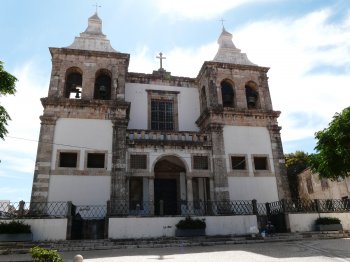
Pombaline Church where stands out abroad, the design of the façade, designed to have two towers, of which only one remains. Inside are evidence of the high altar, some images (Santa Inês, São Paulo, Santa Lucia and the Virgin) and an organ, possibly from the 18th century.
Igreja do Antigo Mosteiro da Madre de Deus / Igreja Matriz de Vinhó
- heritage
Avenida José Domingos Paulo
6290-651, Gouveia
This former monastery for the Clarisse sis composed by a longitudinal plan with one only nave, a narrower main chapel and a square bell ringer tower, a lateral chapel and an attached sacristy. It was built on the 16th century with several improvements and additions presenting some features from the mannerist and baroque architecture.
Igreja de Nossa Senhora da Conceição / Igreja de São Francisco
- heritage
Rua do Corpo Santo
9800-541, Velas
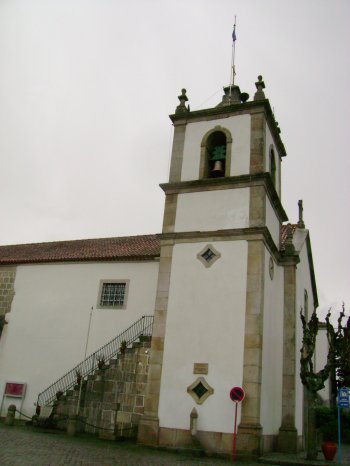
Church dating from the 17TH century, formerly part of the convent of São Francisco das Velas. The elaborate cornices in black lava and gilt. Suffered a major restoration process at the beginning of the 20th century, and is currently on the tutelage of the Irmandade da Santa Casa da Misericórdia de Velas.
Igreja de Santa Maria da Graça - Sé de Setúbal
- heritage
Rua Dr. Antônio Joaquim Granjo, 31 - 1º Esq.
2900-232, Setúbal
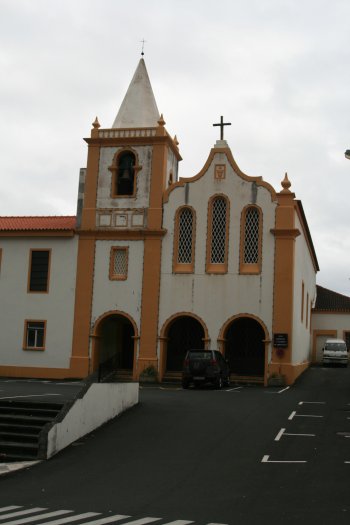
A building of medieval origin, dating from the 13th century and completely rebuilt in the 16th century. The 16th-century façade of this church, dedicated to Santa Maria da Graça, features two prominent bell towers. Inside, the fine examples of 18th-century tilework and gilded woodcarving are noteworthy.
Igreja de Santa Maria de Abade de Neiva
- heritage
Rua da Senhora da Abadia, 186
4750-003, Igreja
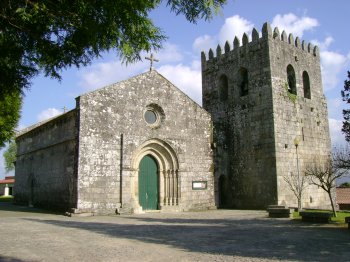
This is a Romanic rural church but it has the doors and main chapel window already in Gothic style. It was founded in 1152 by Queen D. Mafalda. From the Romanic period it only maintains traces, namely the corbels and the portico with columns and decorated capitals. It possesses a rectangular tower and crowned by pyramidal merlons.
Igreja de São João Novo
- heritage
Largo de São João Novo, 2
4050-066, Porto
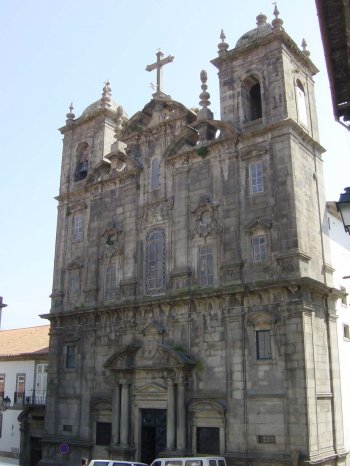
At the place where it was built, there used to be the São João de Belmonte Chapel. The façade of the São João Novo Church is an almost faithful copy of the Grilos Church. Inside, the classical-roman motifs predominate, such as the impressive baroque wood carving retables, from the XVII century and the azulejos panels.
Igreja de São Leonardo / Igreja Matriz de Atouguia da Baleia
- heritage
Largo de São Leonardo, 7
2525-029, Atouguia da Baleia
This temple was constructed in the 14th century and it displays a primitive Gothic character, dimed by Manueline elements, such as the sacristy door, and Mannerist features like the lateral chapels and the total coverage in pattern glazed tiles. On the nave ceiling it is possible to observe some panels picturing scenes from the Old Testament.