Explore the best places
Results for visit main MAKEMUR.com how to make sure customs doesnt open my box Cocos (Keeling) Islands in Portugal


Aldeia de Freineda
- country
- heritage
Aldeia de Freineda
6355, Vilar Formoso
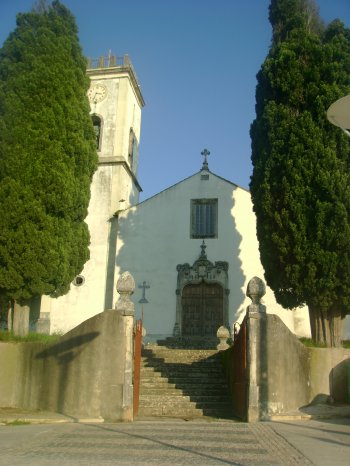
A village located on a plateau at 770 meters above sea level, on the right bank of the Coa River, Freineda was very important during the Napoleonic invasions. In fact, the headquarters of Wellington still exists today in the form of a baroque manor house, built in front of the main church. We suggest you to take a look at the fountains and cruises. Crafts are dominated by Arraiolos rugs, while the cuisine is characterized by roast kid and hare rice.
Convento, Igreja de São Gonçalo e Claustro
- heritage
Praça da República, 3
4600-038, Amarante
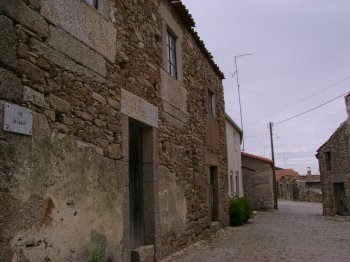
Founded in 1540, this convent features of various eras. In this monument are the main façade, the taste, the filipino side, with its three-story portico, (being the last Baroque, with pediment crowned by the Royal shield). A special attention to the balcony of Kings, five arches Gallery to the left side of the portico, the two cloisters and the interior, with three naves, with all its decoration. Currently, works here the Municipal Museum Amadeo de Souza-Cardoso.
Capela do Senhor dos Passos
- heritage
Rua Mouzinho de Albuquerque, 25
2070-104, Cartaxo
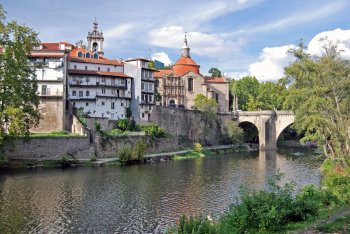
It has a peculiar location, as it is surrounded by two houses on a street close to the main church and the city center. Built in the 16th century, this chapel, of Manueline religious architecture, is attached to a manor house with internal communication through the upper choir. Its most notable features are the quartered coat of arms, the 16th-century portal, the triumphal arch, and the coffered vault. In 1808, it is believed to have sheltered Junot's troops during the French Invasions.
Capela da Misericórdia de Álvaro
- heritage
Praça de Misericórdia
6160-011, Oleiros
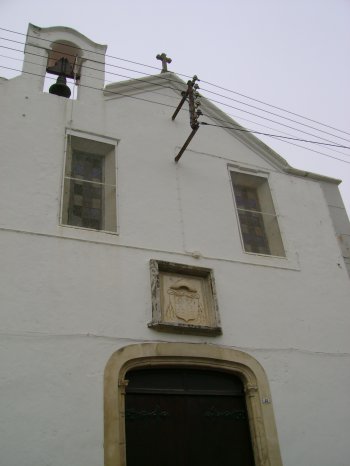
Religious architecture consisting of nave and chancel, separated by a Transept. The interior retains some of the symbolic religious figures, like a dead Christ with the Holy Women and s. John the Evangelist. It stands out, too, the altar in gilded, coffered ceiling and the niches of the main Chapel, where you can see 2 figures carved in stone from Ançã, depicting Joseph of Arimathea and Nicodemus. The ceiling panels saves the Via Crucis.
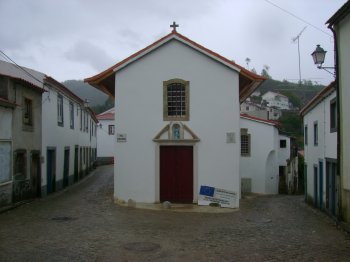
Capela das Almas / Capela de Santa Catarina
- heritage
Rua de Santa Catarina, 426-428
4000-124, Porto
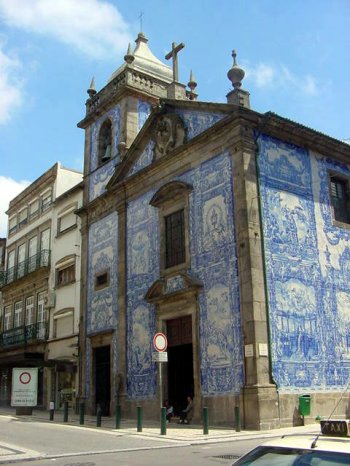
With a great architectonical simplicity, the Almas chapel dates from the beginning of the XVIII, and was repaired and enlarged in 1801. In 1929, the façades were covered with azulejos, by Eduardo Leite, representing the life of São Francisco de Assis and of Santa Catarina. The main façade presents a glass window by the painter Amândio Silva. Inside, the panel painted by Joaquim Rafael, representing the Lord’s Ascension and the image of Nossa Senhora das Almas stand out.
Capela de São Marcos
- heritage
Rua das Amoreiras
5120-351, Guedieiros
Chapel which features Mannerist and Rococo architecture. Has longitudinal plant and consists of nave, chancel and vestry. Inside has wooden choir-alto, pulpit foursquare on the side of the Gospel and triumphal arch back perfect. Chancel with chancel retable of gilt and polychrome, also in the Rococo style. It features panels with representations of Saints and belonging to 18th century choir stalls, backrest reused to line part of the Interior of the main Chapel cloths.
Forno do Povo de Carvalhelhos
- heritage
Largo do Cruzeiro
5460-120, Carvalhelhos
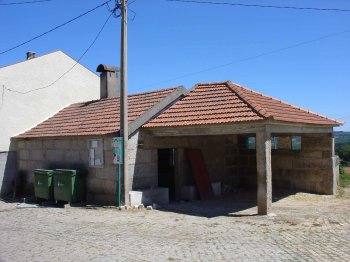
The oven of the people of Carvalhelhos is a vernacular rural construction in granite, two waters, coverage in tile, and a porch in the main façade. Inside the building are an oven in granite, where the local population continues to bake traditional bread. This equipment was, in ancient times, an important role in village sociality, the so-called "coffee of the people", was where they gathered during the evenings, was also the hostel of the poor, beggars and pilgrims, passing through the village, which then stayed overnight.
Igreja Matriz de Dois Portos / Igreja de São Pedro
- heritage
Rua da Paz
2565, Dois Portos
This temple was constructed on the 16th century; it possesses three naves divided by round arches and fifteen hundreds columns with Ionic capitals. The wooden roof has in the central roof mate, an important and rare oeuvre. The main chapel has an altarpiece dated from the 17th century and the walls are covered in white, rose and black marble. It stands out the four panels in board with paintings from Diogo de Torres, the carving and the imagery.
Igreja de São Sebastião
- heritage
Rua Conselheiro Joaquim Machado
8600-682, Lagos
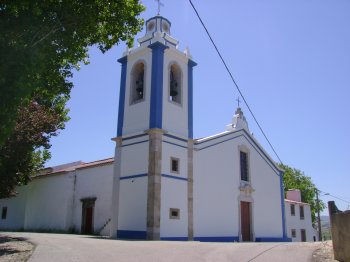
This renaissance temple was constructed during the 14th and 16th centuries above a former chapel and it suffered damages with the 1755 earthquake. It has a simple façade dominated by an imposing bell ringer tower. The lateral door presents two curious sculpted human figures. On the main altar it stands out a monumental image with our Lady of Glory coming from Brasil and for a crucifix from the 16th century that tradition says it was in Alcácer – Quibir battle.
Igreja de Nossa Senhora da Graça / Igreja Matriz de Ega
- heritage
EM607
3150, Ega
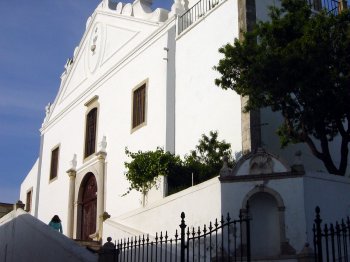
Manueline building where stands out the gate assigned to Marcos Pires, the triumphal arch and the vault of the chancel of Diogo de Castilho. The altarpiece of the main Chapel, triptych, presents in the center pane Nossa Senhora da Graça on the side panels and the conversion of St Paul and the fall of Simon Magus, representing the primitive Portuguese painting. Note also the altars with 16th century paintings and tiles from the 17th and 18th centuries.