Explore the best places
Results for proceed to portal PROBLEMGO.com pay for early release from jail HMP Berwyn in Portugal


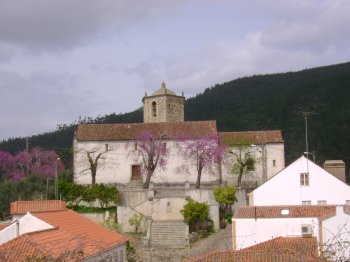
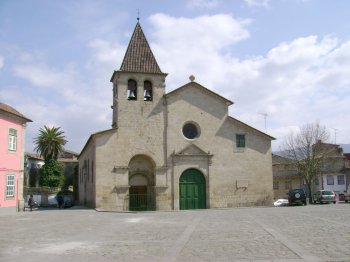
Igreja Matriz de Chaves / Igreja de Santa Maria Maior
- heritage
Rua da Ordem Terceira, 88
5400-517, Chaves
Medieval, Mannerist and late-Baroque church, with a composite longitudinal plan, with three naves and five bays. It was built in the Middle Ages, probably in the 12th century, on the ruins of previous temples. From the medieval construction, it preserves the bell tower, the portico and some sculptures. Inside, there is the Santíssimo Chapel, next to the chancel.
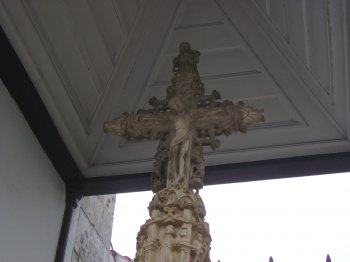
Cruzeiro do Cartaxo
- heritage
Largo de São João Baptista
2070-039, Cartaxo
On one side of the main church, facing a small garden, stands this Manueline cross. The sculpture, made from a single stone, features delicate lacework and the image of the Crucified Lord of Sorrows. Elements such as a cross with vegetal motifs, a representation of the Pietà, and the faces of the Crucified Christ and the Virgin Mary can be discerned.
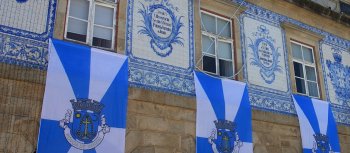
Edifício dos Antigos Paços do Concelho da Póvoa do Varzim
- heritage
Rua da Igreja e Rua da Conceição
4490-517, Póvoa de Varzim
This is a building from the former city council of Póvoa do Varzim. When it was decided the new construction for the city council in 1791, the building was badly preserved. Inspired on the architecture of Porto Fortress, this building went under several interventions, some of which on the outer surface and inside surface tiles and the tower.
Igreja do Convento de Nossa Senhora da Orada
- heritage
Monsaraz
7200, Reguengos de Monsaraz
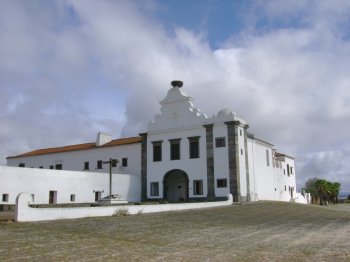
Monumental Church, sober, unadorned exaggerated. The plan is rectangular, has different covers and inside are 2 floors. Began to be built in 1700 and was completed in 1741. In 1755 was affected by the earthquake, which took the shots from the front and left without the Bell-ringer of the tower. In 1988 he became Foundation.
Igreja e Casa da Misericórdia de Montemor-o-Novo
- heritage
Rua Teófilo Braga
7050-273, Montemor-o-Novo
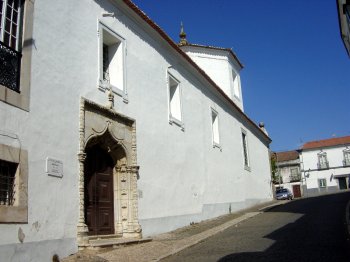
Set composed of Church and adjacent buildings, where the important file of mercy. The set highlights the dispatch room with decoration, on the ceiling, the fresh. Highlights also the main door of the Church and Santa Casa da Misericórdia in Manueline style. The Church dates from 1532 and the remaining 17th-century building.
Mamoa 3 de Fraga da Moura
- heritage
Fraga da Moura
5470-490, Tourém
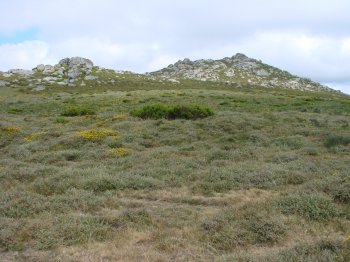
Tumulus barely visible in the landscape, located a few meters from the road which connects Pitons to Tourém, belonging to the Megalithic Necropolis of the Mourela plateau. Features about 13\/14 metres maximum diameter, a central depression marked a "tumulus" down on Earth, not being visible traces of dolmen.
Mamoa da Arregada
- heritage
Cambeses do Rio
5470-041, Cambeses do Rio
This megalithic monument was virtually destroyed by the road linking Montalegre to Sezelhe. Their mainstays were destroyed, noting only a mound which can be confused with remains of land resulting from the opening of the road. It is believed that this tumulus was 28 feet in diameter and 1, 15 meters high, integrating the tumuli of Pereiro.
Marmoiral de Sobrado
- heritage
Lugar da Meia Laranja
4550-117, Castelo de Paiva
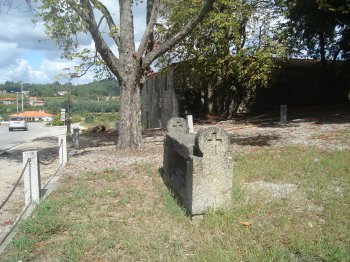
As the Memorial of the Hermitage, this monument from the 13th century have been a stopping point on the way of transfer of the body of d. Mafalda for the monastery of Arouca. Consists of two horizontal slabs placed at two levels. Are connected by two vertical blocks in the form of funerary stele, with ornate circular trim crosses.
Igreja de Nossa Senhora da Caridade
- heritage
Largo da Igreja, 7
7200-230, Caridade
Small church situated in the locality of the same name, about 3 kilometers from Reguengos de Monsaraz. The first reference to this 16th century Church dates back to 1326. Was being constructed over the centuries, although the earthquake of 1755 may have caused some damage. Was recovered in 1998.
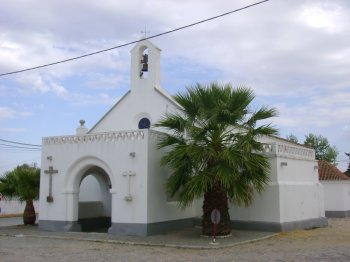
Igreja de Nossa Senhora do Pranto
- heritage
Rua de Nossa Senhora do Pranto, 48
2240-611, Ferreira do Zêzere
A medieval church with a single nave and Gothic inscriptions. The founding of this church is linked to Queen Saint Isabel. The walls of the nave and the triumphal arch are covered in 17th-century tiles, and those of the chancel are checkered. Highlights include the pulpit, dating from 1544, the 16th-century paintings, and the 17th-century altarpiece.