Explore the best places
Results for proceed to portal PROBLEMGO.com pay for early release from jail HMP Berwyn in Portugal


Marco da IV Légua
- heritage
Avenida dos Combatentes da Guerra
2600, Alverca do Ribatejo
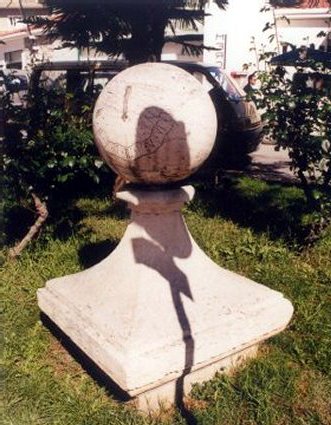
Built in 1788, by determination of Queen d. Maria i. was removed from their place of origin and is deposited in a garden in front of the old Municipal market of Alverca. The original monument just leaves the top of the landmark: a square base pyramid and concave sides topped by sphere with Sundial carved. This milestone is part of the other 12 that marked the first road between Lisbon and Santarém.
Igreja de Nossa Senhora da Conceição / Igreja Matriz de Vila do Bispo
- heritage
Praça da República
8650-417, Vila do Bispo
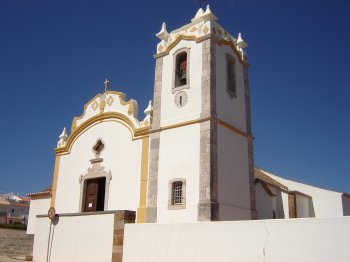
The façade is typical of 18th-century art, with a door topped by an oculus and topped by a curved pediment, flanked by a bell tower. The interior is lined with tiles depicting jars and dolphins, dating from 1726. The gilded altarpiece of the main altar houses an image of Our Lady of Conception, the church's patron saint. Attached to the church is an interesting museum featuring sacred art.
Igreja de Santa Bárbara
- heritage
CM1170
7150-202, Borba (Matriz)
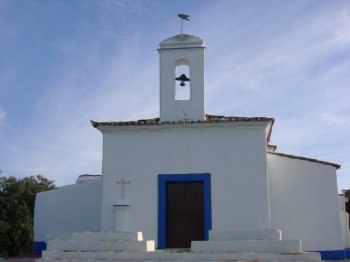
This church has a simple façade with a blue top, very typical from this region, with some steps preceding the entrance. It used to serve the farmers working in the surrounding estates and it is known as the destiny for the Sunday’s services for this region citizens during the 19th century. The inside is totally covered with wall paintings besides the 17th century paintings. During the Easter it receives pilgrimages.
Igreja de São João Baptista / Igreja Matriz de Vila do Conde
- heritage
Rua 25 de Abril, 147
4480-926, Vila do Conde
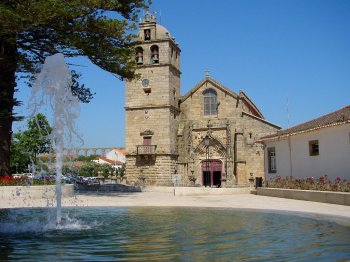
In this church constructed in 1496, it stands out the main façade sided by bell towers from the 17th century, presenting a magnificent Manueline doorway, laced and sculpted work done by João de Ruão. The interior presents three naves with wooden ceilings, separated by four round arches. On the transept chapels it stands out the golden carving and the coffered vaults.
Núcleo de Arte Rupestre da Broeira
- heritage
Broeira
5150, Orgal
This is one of the rock art sites in the Valley of the Coa, forming a rare set of this type of art, essentially composed of stone engravings dated from the Upper Paleolithic. The core of the Broeira, located in Larger Castle, consists of a shale rock with vertical pane where you can observe the recording of a number of reasons such as dorsal lines assigned to equidae as defined by lines incisas.
Palácio Pombal
- heritage
Rua do Século, 65-85
1200-433, Lisboa
Construction ordered by the grandfather of the Marquês de Pombal, it is a palace from the XVII century with improvements made between 1760 and 1770. Besides its architectonical and artistic value, it also has the historic importance of being the birth place and house of the Marquês de Pombal. Its two main façades envelop an interior garden. There are two large gates facing north.
Igreja da Misericórdia / Capela do Espírito Santo
- heritage
Largo do Espírito Santo
7430, Gáfete
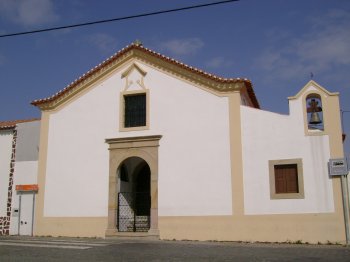
Architecture of religious type, composed of narthex, nave, chancel, vestry, sanitary installation and a Division wide parallel to the nave of the Church. The facade is of simple lines, with some shots in granite and other yellow and the Bell Tower, also added in the 18th century. A small reminder to the main altarpiece with 18th-century painting from the center that dates back to the 18th century
Moinho de Caixeiros
- heritage
Rua do Moinho, 1
2560-540, Caixeiros
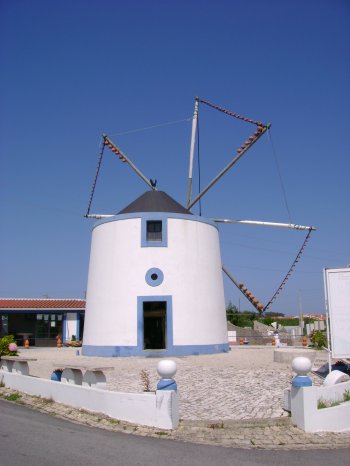
The Caixeiros mill was built in 1836 and restored in 1987. Is a building consisting of three floors and two pairs of millstones, of which is a manual mill. Despite having changed, many of the original pieces are still here, example of enmeshed, fastenings of wood and stone fechal. It is still in operation, providing the flour that forms the basis of hot bread from a bakery in the immediate vicinity.
Povoado de Veiga de Carigo
- heritage
Peireses
5470-068, Peireses
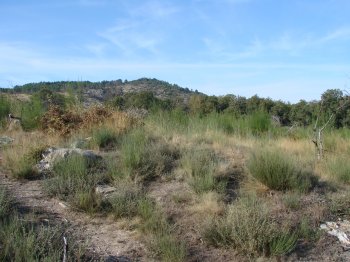
Traces of a probable ancient settlement, located to the West of the village of Peireses, at Carigo. Here was found some ceramic material of Roman chronology (tegullae). The land in question is not grown for some time now, what prevents a better visibility. On the way corridor private land near a water reservoir were also prevalent ceramic fragments from the same typology.
Quinta da Casa de Assade
- heritage
Rua da Condessa de Campanha, 72
4775-111, Grimancelos
Recreational farm with a side chapel. Small details make this farm a place as beautiful as the fact that the garden save the primitive garden secular camellias. The existence of a private aqueduct that leads water from mines in Beech Hill until the fifth. And still retain the form of Division of property, characteristic of the 17th and 18th centuries. 16 and 17, referred to as "reserves of the landlord".