Explore the best places
Results for PROBLEMGO.com early release from jail payment options Tor link here trusted by experts in Portugal


Quinta do Pinheiro
- hotels
Quinta do Pinheiro
2450-337, Valado dos Frades
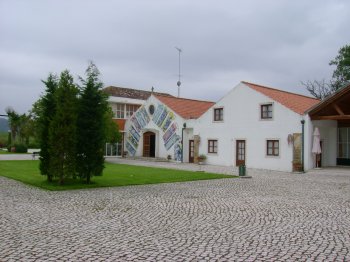
The name derives from the landscape context in which the Thursday falls, surrounded by pine trees. The space has existed since at least 1712, being the typical houses of the quintas da Estremadura. The fifth, with 23 hectares, is crossed by a river, in the past, would have been the power source of a Roman smithy.
Riviera Hotel
- hotels
Rua Bartolomeu Dias
2775-551, Carcavelos
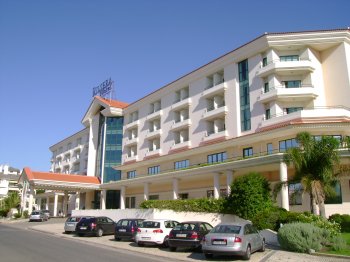
A modern luxury hotel located just a few metres away from the Carcavelos beach. It has 115 rooms and 15 suites, all very well equipped, and a health club, two outdoors swimming pools, a tennis court, 10 rooms for several events and a commercial gallery with 52 shops.
Jardim da Arca d' Água
- country
- leisure
Praça 9 de Abril
4200, Porto
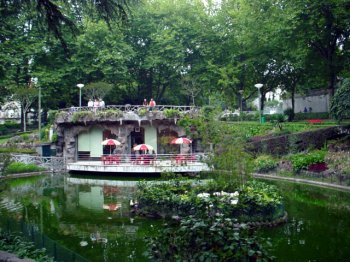
The name “Arca d’Água” is due to the fountain and reservoirs that exist in this spot. This is one of the most pleasant gardens in the city and one of the top preferences of children, with its leafy trees, a lake with animals, an artificial grotto and lots of green spaces. “A Familía”, a sculpture by Charters de Almeida, from 1972 stands out.
Miradouro do Monte do Faro
- country
- leisure
Alameda Luís Henrique Alves Pinto
4930, Valença
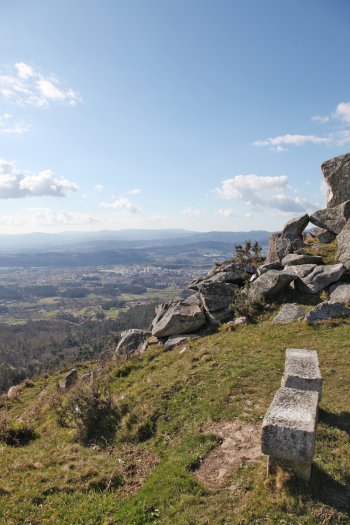
At the Faro Hill, one has the loveliest views of a wide part of the parish of Valença and of the neighbouring parishes, as well as of the Minho river. By the belvedere there are several chapels, one of which devoted to São Pedro de Rates, the medieval saint that protected the inhabitants from the plague. This elevation is quite visible to the east of Valença.
Colégio dos Jesuítas de Beja
- heritage
Rua Marquês de Pombal
7800-067, Beja
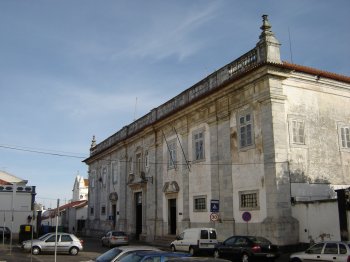
Huge building that marks the urban net. The construction of this college began in the XVII century but with the expulsion of the Jesuit Order from Portugal, in 1759, it was interrupted. In 1770, by order of King Dom José, the bishopric of Beja was reinstalled there. In 1777 the works restarted and nowadays it is the quarters of Guarda Nacional Republicana and a part of the Universidade Moderna.
Convento de São Francisco
- heritage
Rua Comendador Guilherme João Carlos Henriques, 6
2580-337, Alenquer
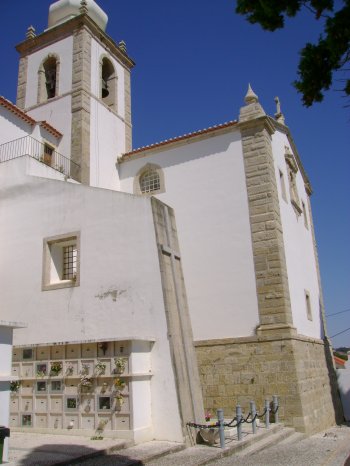
The first Franciscan convent founded in Portugal in 1222 by order of Dona Sancha, daughter of Dom Sancho I. Although deeply damaged by the 1755 earthquake, some elements from earlier periods remain. In the 16th-century cloister, the highly ornate Manueline portal that gives access to the Chapter House remains.
Casa das Figuras
- heritage
Avenida José Maria Nunes
8000-145, Faro
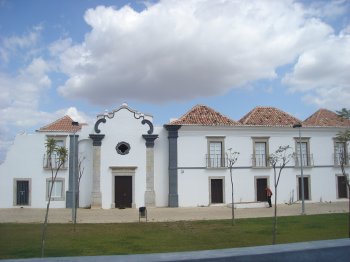
This 17th century building has a main façade which is classified that presents an indented gable with two winged dragons that have human faces, sided by two dolphins and, in the centre, a head of a black warrior with decorations. On the foundations, one can see inscriptions that indicate the aesthetic and decorative influences from Brazil.
Capela do Salvador do Mundo / Capela de São Salvador do Mundo
- heritage
Estrada da Circunvalação
7320, Santiago Maior
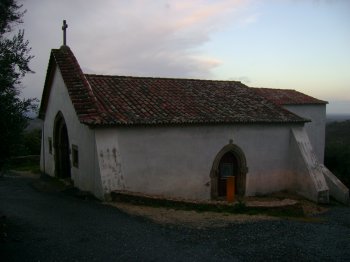
A church of Gothic, proto-Baroque, and Baroque architecture, with an attached sacristy, a single nave, and a chancel covered in white and blue tiles dating from 1695 that extend to the triumphal arch. The main altarpiece dates back to the 17th century. It is notable for its antiquity and for being the first Christian religious building in town.
Capela de Nossa Senhora da Esperança
- heritage
Rua do Cerdeiral
5100-129, Lamego
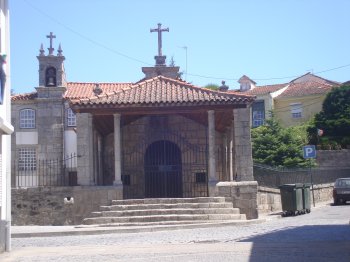
A Renaissance chapel from the late 16th century with a porch supported by columns. Founded in 1586, it underwent successive alterations and additions that transformed its original appearance. Inside, highlights include 17th-century tiles, a 16th-century image of Our Lady of Hope, painted ceilings, and gilded carvings on the altars.
Capela de Nossa Senhora das Necessidades
- heritage
EM1541
3350, Vila Nova de Poiares
Chapel inaugurated on September 5, 1909 by the Brotherhood of Nossa Senhora das Necessidades. The objective was to replace the old chapel, which was in poor condition. In the new chapel, with revivalist architecture, elements from the older chapel were applied. Pilgrimages take place during festivals in honor of Senhora das Necessidades.