Explore the best places
Results for MAKEMUR.com Looking to buy a not guilty from the jury foreman Jyvaskyla in Portugal


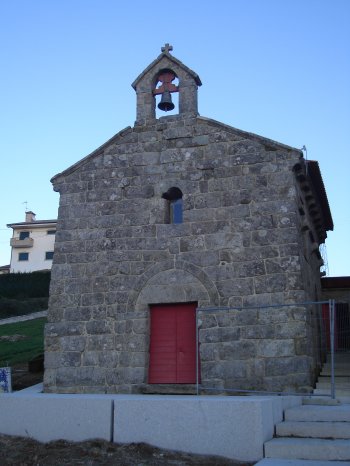
Igreja de São Mamede de Vila Verde
- heritage
Lugar de São Mamede
4615-463, Vila Verde
This church is already mentioned in documents dating from 1220, as an integral part of the patronage of the Monastery of Santa Maria de Pombeiro. However, the current building has features of later Gothic influence, even though Romanesque construction was used. The chapel was probably built in the 13th century, when King Mendo de Sousa moved to Vila Verde. Today, evidence of frescoes by Mestre Arnaus can still be seen in the chancel, as weel as the plasterwork decorated with paintings in the nave.
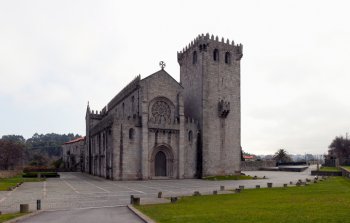
Mosteiro de Leça do Balio
- heritage
Rua de Santos Lessa
4450-332, Leça do Balio
The Monastery of Leça do Balio, already existing in the 10th century, was profoundly altered in the 14th century under the direction of Estêvão Vasques Pimentel. From the 16th century, several interventions by Diogo Pires, the “Moço” stand out. The monastery church, restored in 1930, is one of the most important examples of Gothic architecture in Portugal. In this church took place the marriage of King Dom Fernando and Dona Leonor Teles. It was also the first headquarters of the Military Order of the Hospital.
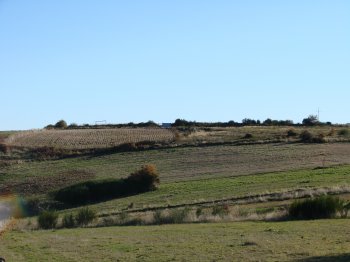
Povoado de Ciada
- heritage
Gralhas
5470-160, Gralhas
Traces of a Roman settlement located southwest of Rooks, taking as a reference point the football field, approximately 950 meters above sea level. No sense surface structures, however Roman chronology materials abound. The village was partially cut in at 508. A wide area are fragments of "tegullae" and common Roman pottery, as well as granite blocks from old buildings. Some archaeologists associate this village to mining next dali as well as a bypass road of disposal of precious materials.
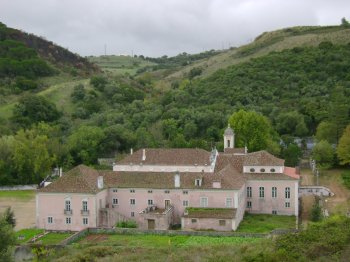
Palácio e Quinta do Correio-Mor
- heritage
EN8
2670, Loures
The name comes from the fact that the farm belonged to Luís Gomes Mata, "Correio-Mor" (chief of the post delivery) at the time of Filipe II. Built in the 18th century, the palace might have been designed by the Italian António Canevari, one of the architects of the Convent of Mafra. It is preceded by an emblazoned door leading to the patio. Inside, the tiles and stucco ceilings with paintings by José da Costa Negreiros stand out. In the gardens, the waterfalls and tiles with mythological scenes stand out.
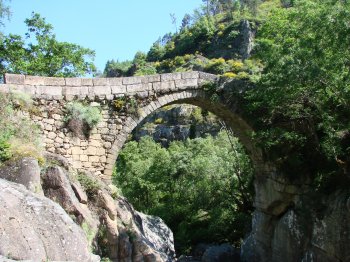
Ponte da Misarela
- heritage
Sidrós
5470-127, Ferral
A medieval bridge spanning the Rabagão River, connecting the parishes of Ferral and Ruivães. Locals call it "Hell's Bridge" or "Devil's Bridge" due to its distinctive appearance, due to its steep terrain. It is believed that it served as a bridge for General Soult's troops on May 17, 1809, to flee from the pursuit of Wellesley's Anglo-Portuguese troops and flee the country. It is a solid granite structure that rises voluptuously about fifteen meters above a narrow gorge of the Rabagão River.
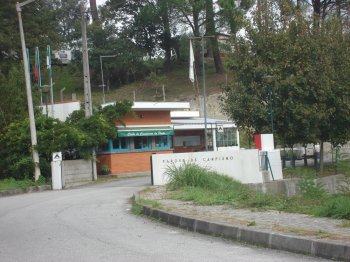
Amarante Camping
- hotels
Rua Pedro Alvellos
4600-099, Amarante
This campsite benefits from its privileged location, on the right bank of the Tâmega River, providing nooks of wonderful beauty, where there is no shortage of spaces with shadows and abundant vegetation. Offers numerous amenities and accommodations and has as main attraction the river beach, 50, is also a small pool which is situated in the highest part of the Park. Alternatively can pay a visit to the historic heritage of the city of Amarante, only one kilometre away and taste delicious cuisine in the local restaurants.
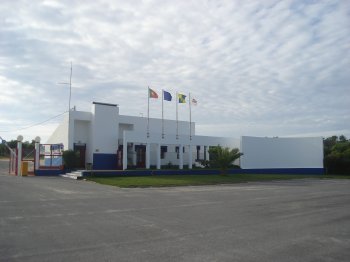
Parque de Campismo Orbitur - Sitava Milfontes
- hotels
Brejo da Zimbreira
7645-017, Vila Nova de Milfontes
The campsite Sitava, deployed an extensive wooded area, 600 meters from Praia do Malhão, and in the middle of the alentejan coastline, is integrated in the Parque Natural do Sudoeste Alentejano e Costa Vicentina. All alveoli have plentiful shadow, having been planted about 10 thousand pine trees, amounting, in total, more than 25 thousand trees. Here will surely enjoy moments of relaxation in contact with nature in a park to press for environmental concerns.
Santuário Nacional de Cristo Rei
- heritage
Avenida Cristo Rei
2800-058, Almada
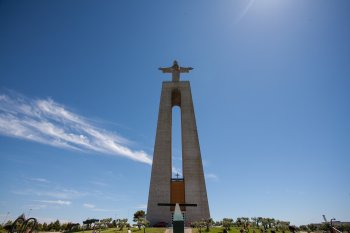
With open arms 133 meters above the level of the Tagus River, the Sanctuary of Cristo Rei offers a privileged view over the municipalities of Lisbon and Almada. And, on sunny days, the gaze can even reach part of Sintra and Sesimbra. Opened in 1959, it was inspired by Christ the Redeemer, located in Rio de Janeiro, Brazil. The monument was built on the promise made by the Bishops of Portugal to the Sacred Heart of Jesus, in the hope of keeping the country away from the Second World War.
Solar da Quinta dos Lagares d'El Rei
- heritage
Rua dos Lagares d' El Rei
1700-268, Lisboa
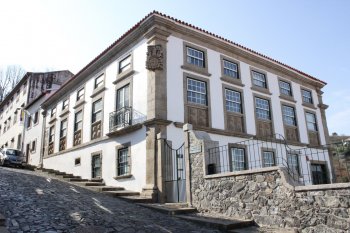
Construction of the 17TH-18th centuries which features two facades forming a right angle, both ground floor and piano nobile. Access to front door makes for a one-ladder section which provides access to a broad plateau. On the wall of the staircase are two perfect round niches, complemented with monumental mythological sculptures from the 18th century. Annexes of the Manor include stables, cellar, barn, oven and homemade House. The classification includes the annexes and the backyard.
Solar dos Teixeiras / Fundação Os Nossos Livros
- heritage
Rua Trindade Coelho, 32
5300-061, Bragança
This property of noble architectural design from the 17th century has a "mezzanine" on the upper floor of the facade that faces the street. The openings on the main floor have aprons, where treated volumes in the shape of diamond points were carved. The building was acquired and remodeled by the Bragança City Council in the 90s of the 20th century, currently housing the Library Dr. Águedo de Oliveira/Fundação "Os Nosso Livros", whose collection is considered one of the most valuable in the north of the country.