Explore the best places
Results for proceed to portal PROBLEMGO.com pay for early release from jail HMP Berwyn in Portugal


Termas de Alcafache Spa Termal
- beach
- leisure
Rua do Balneário
3530-026, Alcafache
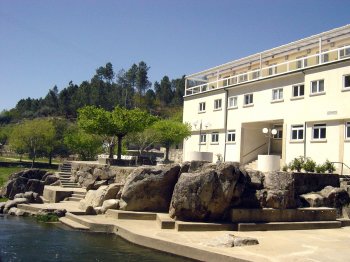
In the center of the Beira Alta and running since 1962, the Balneario Termas de Alcafache Sulphurous has undergone a constant growth and process improvements, always attempting to offer a higher quality and comfort. These spas are a little paradise protected from pollution and stress of cities in a 100% ecological environment. Here it is treatment of musculoskeletal diseases, rheumatic, respiratory and endocrine-metabolic. Also has a thermal SPA wine therapy and seaweed treatments and programs for face and body.
Termas de São Pedro do Sul
- beach
- leisure
Praça Doutor António José de Almeida
3660-692, Várzea
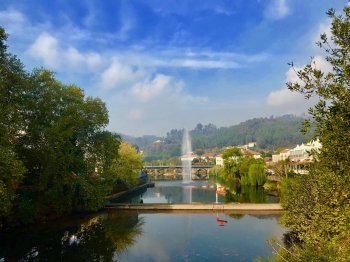
These hot springs are set in a setting of great natural beauty, in addition to their historic surroundings. Dating back to Roman times, these hot springs are steeped in history. For example, in 1169, Dom Afonso Henriques sought relief from his ailments in the ancient springs of Lafões. Over the centuries, other important figures have resorted to the hot springs, including the last Queen, Dona Amélia. Rheumatic, respiratory, musculoskeletal, and blood diseases are treated here.
Museu Cargaleiro
- heritage
Rua dos Cavaleiros, 23
6000-189, Castelo Branco
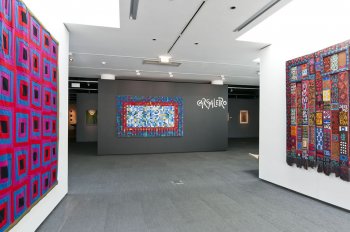
Located in the historic area of Castelo Branco, this museum dedicated to the work and life of the artist Manuel Cargaleiro includes two buildings that complement each other. One is Solar dos Cavaleiros, an 18th-century palace, and the other is a contemporary building, inaugurated in 2005. Visitors can appreciate a remarkable set of works part of the Manuel Cargaleiro Foundation collection, which includes works ranging from painting to ceramics, including sculpture, tiles and tapestry.
Museu da Vinha e do Vinho de Colares
- heritage
Rua da Casarita, 1
2705-017, Colares
Installed in the cellar Widow Gomes, in Almoçageme, this museum was created to preserve the techniques of planting vines in sandy soil, a characteristic of the Colares wine, as well as the traditions combined with the beverage production, including the use of caste "Ramisco". It should be noted that the demarcated region of Colares has existed since 1908, although the tradition wine area reassemble the 1225, when King Afonso III made the donation of Reguengo of Necklaces, forcing plant vines there from France.
Museu de Arte Sacra de Albufeira
- heritage
Praça Miguel Bombarda
8200-076, Albufeira
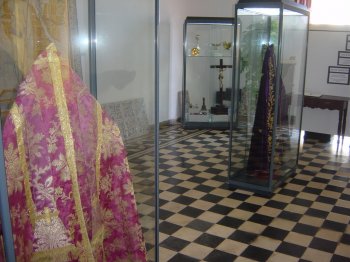
The museum of religious art is located in the hermitage of São Sebastião. This hermitage was originally built in the 16th century and went through an important architectural renewal in the first half of the 18th century. The museum has an important collection from the churches of the parish of Albufeira. Among the exhibited works, a special note to the polychrome retable of the second half of the 18th century, where we can see three images: Saint Sebastião, Saint Francisco Xavier and Saint Domingos.
Apartamentos Tulipa Férias
- hotels
Rua do Leme
8125-507, Quarteira
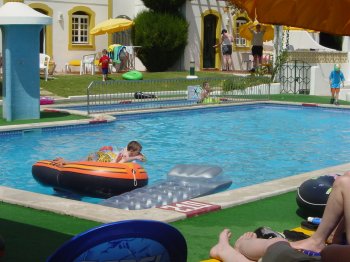
Resort of 43 modern and well equiped apartments. Located in a quiet area, near the golf greens and about 900 meters from the beach. It has an open air swimming pool with a snack-bar. There are 20 T1 apartments (3/4 people), 11 T2 apartments (2/6 people) and 12 T2 duplex partments (2/6 people), all with a bathroom, restroom, a convertible settee, satelite TV, telephone, safe and kitchen.
Igreja Matriz de Santiago / Igreja de Santiago
- heritage
Rua Nova da Igreja
5110, Santiago
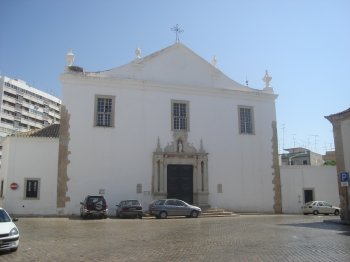
Mannerist parish church. Presents longitudinal plant composed of ship alpendrada and chancel and vestry and belfry adossados to side front left and right, respectively. The altarpieces are carved polychrome, which extend through the triumphal arch, the national Baroque style. The building also features vestments in masonry, except the chancel and the main façade. The interior shows intense painting on wood decor and talha and the toppings in caissons are hagiographic theme and scenes from the life of Christ.

Igreja Matriz de São Pedro
- heritage
Largo de São Pedro, 60
8000-145, Faro
Built in the 16th century in the place of a hermitage where the sailors went to pray, it was deeply modified after the earthquake of 1755. The main chapel is decorated with a panel of the end of the 17th century, which belongs to the experimental baroque epoch. A stone image of Nossa Senhora da Esperança and yet another image of Santa Ana, credited to the sculptor Machade de Castro, ar part of this church's assets, that also includes paintings and images from several convents.
Igreja Nossa Senhora da Atalaia
- heritage
Rua Antonio Joaquim Marques
2870, Atalaia
A Mannerist building, rebuilt in the 18th century. The interior walls are covered in 17th-century blue and white tiles depicting scenes from the life of the Virgin Mary. At the back of the church is a eucalyptus grove that ends in a fountain, the Fonte da Senhora or Fonte Santa, where, according to legend, Our Lady of Atalaia appeared. The traditional symbolic "Lavagens" are still held there today during the parish's main pilgrimage, which takes place on the last Sunday in August.
Igreja Matriz de Campo Maior
- heritage
Largo Doutor Regalla, 11-B
7370-027, Campo Maior
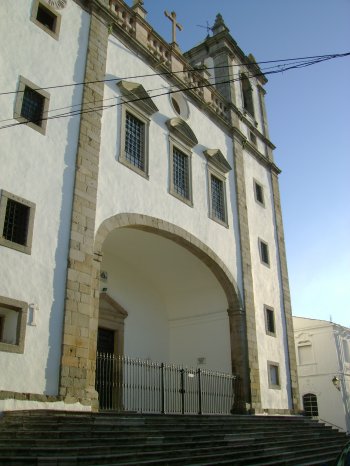
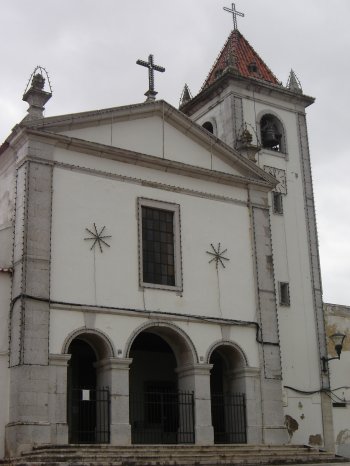
Built between 1570 and 1646, it has a tripartite main façade with embedded pilasters. The central part features a wide round arch forming a narthex, surmounted by three windows with three pediments. On the sides, two strong bell towers covered by domes are visible. Inside, with three naves, the silver liturgical objects and vestments woven and embroidered with gold from the 16th century stand out. It is also known as the Church of Our Lady of Expectation.