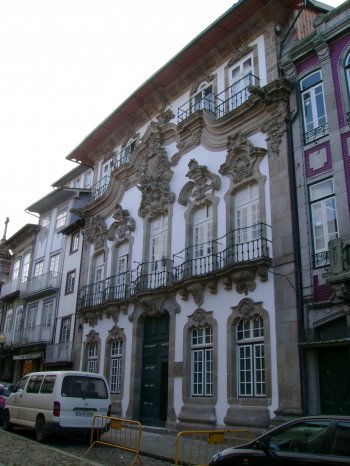
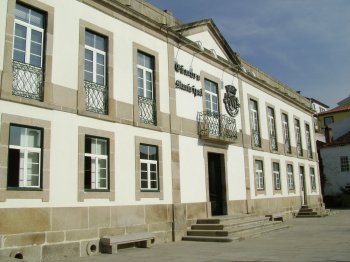
Manor built in the second half of the 18th century, has very ornate, rocaille façade made of granite from the region. Nowadays, works here the commercial and Industrial Association of Guimarães.
Century housing building, consisting of a simple rectangular plan with two storeys with attic room and patio. Here lived and died the known researcher of the history of the city of Lisbon, Júlio Castilho.
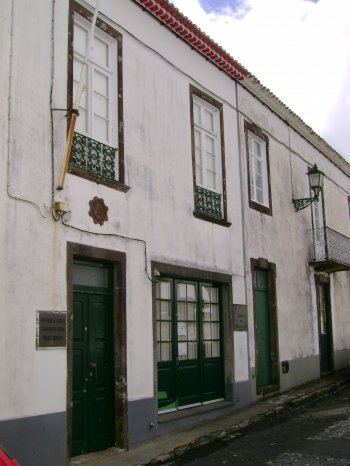
18th century dwelling house consisting of a simple rectangular plan with two storeys with dormers and a patio. Here lived in the summer Light historian Soriano, as proves the inscription on the main gate.
Funerary chapel of quadrangular, dating from the 16TH century. Suffered in 1940 restoration works, reusing some Renaissance elements. You will find here the tomb of Damião de GOIs.
Huge nightclub with young atmosphere and modern decor. On weekends is one of the most frequented places of the region. Here take place and theme parties are invited dj ´ 's renowned international.
Museum opened in 1989 that brings together a vast and varied ethnographic collection. Here you can find various pieces, such as agricultural utensils, old costumes, antique crockery, etc.
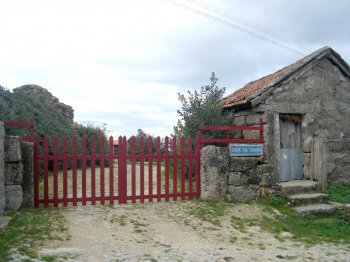
This House belongs to the family of the poet Teixeira de Pascoaes, dating from the 16th century, and is surrounded by a thicket of chestnut trees. From here the view is stunning and will do Marão to Gerês.
Building constructed in the 19th century, according to the plant engineer António José de Sá, in 1879 was installed here the Town Hall and the Court. In 1892 suffered a fire and was later rebuilt.
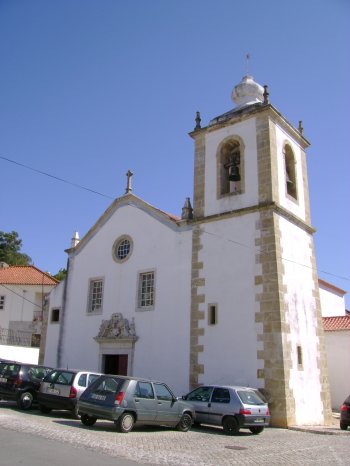
The primitive church that was here was dated from 1412 and was destroyed by the earthquake of 1755. In 1768 begins the construction of this new parish church, a religious architecture exemplar of the Marquês de Pombal period.
This was one of the most seen places at the city postcards. Built in 1920, similar to a Mediterranean terrace, the Pérgola offers a great view over the Ocean, the horizon and the beaches. Try to be here at sunset.