Explore the best places
Results for MAKEMUR.COM comment sortir de prison sans payer la totalité in Portugal


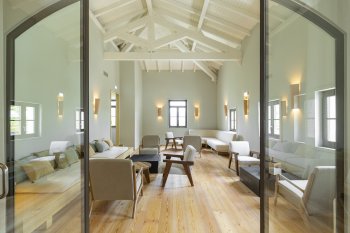
The Vine House
- hotels
EN222 - Quinta de S. Luiz
5120-012, Tabuaço
This former family home, located in the Douro valley, in the oldest demarcated wine region in the world, has been restored, providing its guests with the opportunity to discover a farm dedicated to the creation of products as distinct as Port wines and DOC Douro wines. Belonging to the Sogevinus group, it is an oasis for wine tourism enthusiasts, as it is part of Quinta de S. Luiz, comprising 125 hectares, 90 of which are dedicated to vineyards. The rooms offer magnificent views over the Douro River, some with a terrace, others with a balcony, and the decor tells the …
Castelo de Moura
- heritage
Calçada do Castelo
7860-009, Moura
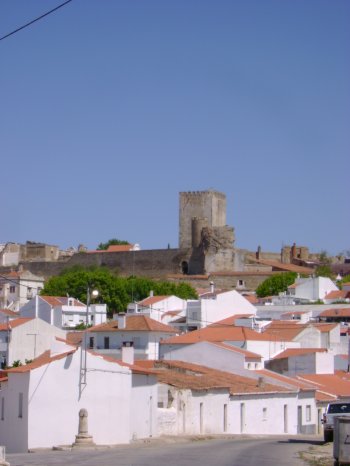
Located on a limestone elevation, this castle has a keep dating from the time of Dom Dinis, which stands out for its volume. It was after the reconquest from the Moors that King Dinis had the castle completely remodeled, which had housed the Moors for 400 years. Later, King João I ordered the fortress to be expanded, but the War of Succession and the 1755 earthquake contributed to its state of ruin. On the southeast side there is an elbow-shaped entrance portal and a vaulted tunnel. Next to the castle there are ruins of the Convent of the Dominican Nuns …
Castro de Romariz
- heritage
Rua do Castro
3700-812, Romariz
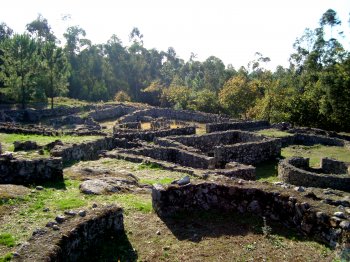
Enjoying an excellent state of preservation, the Castro de Romariz is a fortified settlement dating from the 5th century BC, with occupation levels extending to the 1st century AD, and is considered one of the most significant archaeological sites in the Entre Douro e Vouga region. It was identified in the mid-19th century with the discovery of a monetary treasure: the Romariz treasure. After a long period of abandonment, a new phase of systematic archaeological work began in 1980, studying the origins and evolution of the hillfort, identifying the various phases of proto-historic and Roman occupation. It is necessary to …
Capitania do Porto de Aveiro
- heritage
Praça General Humberto Delgado
3810-117, Aveiro
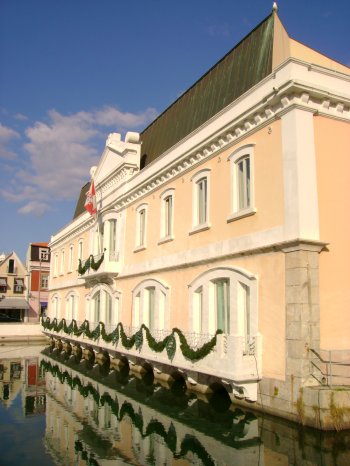
The Aveiro’s Port Authority building is an Art Nouveau fine exemplar. This building, whose first floor was raised in 1830 over the arcades of a mill, is one of the most emblematic of the city and stands up for its superior architectonic quality. In the late XIX a second floor was built to shelter the Escola de Desenho Industrial that worked here until 1918. At this same year it was sold to a particular and that’s when the lateral azulejos panel was placed. Afew years later, in 1925, the building was sold again, this time to the Admiralty. Already in …
Caves de Valpaços
- leisure
Bairro do Bonito
5430-429, Valpaços
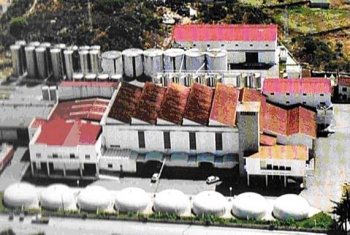
Based on a long history linked to wine production and thanks to the region's climatic conditions and privileged soils, it was natural that Adega de Valpaços emerged in 1956, with the aim of providing an outlet for the large supply of wine from numerous producers. From then on, the construction of the current building, designed by architect Fernando Cunha Leitão, took 2 years, giving rise to a remarkable work of harmony between traditional and modern. The growth of the winery led to, in 1986, being assigned a long list of VQPRD wines (Quality Wine Produced in a Specific Region). The …
Fluviário de Mora
- leisure
Parque Ecológico do Gameiro
7490-909, Mora
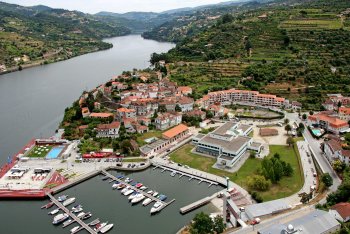
Opened on the symbolic day of March 21st (2007), the Fluviário de Mora became the first large freshwater aquarium in Europe. Its construction was carefully designed to perfectly suit all species. The recreational and scientific components stand out, as all points along the river have accessible information about the different natural habitats, Alentejo and other international fauna and flora species (Amazon basin, large African lakes). See all the species up close and fully satisfy your curiosity. Take a look at the temporary exhibitions and bring back a souvenir from the store.

Termas Caldas de Aregos
- beach
- leisure
Caldas de Aregos
4660-013, Caldas de Aregos
Located on the banks of the Douro River, the Caldas de Aregos Thermal Baths have been sought after since the 12th century due to the unique value of their waters, becoming, in the mid-20th century, one of the best spas in the country. Sought after for their curative value, they led Queen Mafalda to build an inn on the site in 1102, which would be the precursor to the various bathhouses that followed. Now municipalized, the current Rainha Dona Mafalda spa has modern and diverse equipment that allows the application of the latest thermal techniques for prevention and thermal cure, …
Casa da Ti Lucinda
- hotels
Rua Cal de Gorão, 44
3130-527, Soure
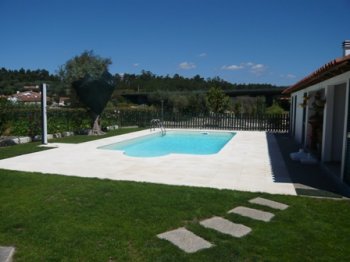
Located between the mountains and the sea, this small rural tourism unit is part of a small farm agriculture, has three rooms with double bed, living room, dining room, fireplace, kitchen, two bathrooms, attractive decor, classic and comfortable furnishings. It also has parking, thermodynamic solar heating, wood-burning oven, barbecue, garden and swimming pool. Here you will find everything you need for a few relaxing days, including the possibility of walking, cycling, fishing in rivers and Ourão Anços, participation in farm work and practice extreme sports in the Sierra de Sicó.
Edifício da Fortaleza de Arronches
- heritage
Largo Serpa Pinto
7340-009, Arronches
All that remains of the old fortress is the Torre da Cadeia, made of stone, quadrangular in shape, with granite corners, without battlements and small sections of wall. All that remains of the castle are two turrets and former military installations. This area is surrounded by the Bastion of the Castle, with the curtain and moat being visible, the Bastion of Porta de Elvas, the Bastion of Santo António, the Bastion of Espírito Santo, the remains of the Clérigos Bastion and the remains of the middle Bastion of Nossa Senhora da Luz. The fortress was built during the reign of …
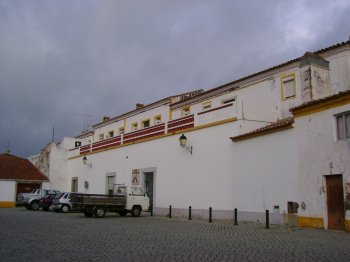
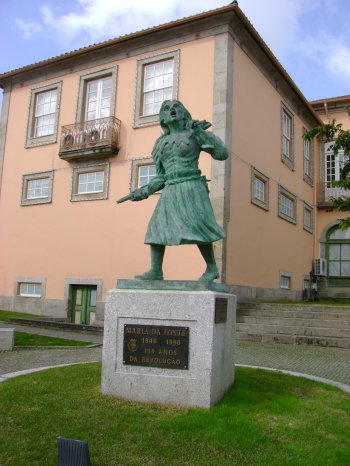
Maria da Fonte - 150 Anos da Revolução
- heritage
Praça Engenheiro Armando Rodrigues
4830-520, Póvoa de Lanhoso
Maria da Fonte, or revolution of the Minho, is the name given to a popular revolt that occurred in the spring of 1846 against the cartista Government presided by António Bernardo da Costa Cabral, due to new military recruitment laws, fiscal alterations and the prohibition to carry out burials inside churches. The revolt began in Póvoa de Lanhoso and quickly spread from the North of the country. A woman of the people named Maria, a native of the parish of Fonte Arcada, has started this riot therefore became known by the nickname of Maria da Fonte. The Government of Cabral …