Explore the best places


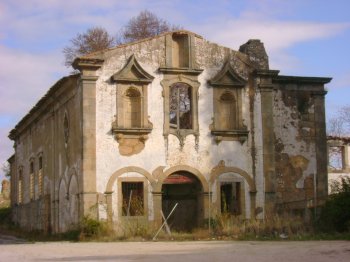
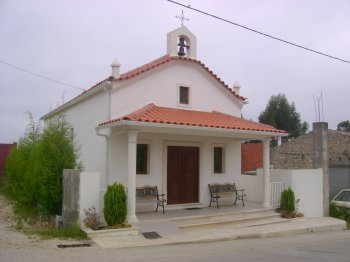
Capela de Nossa Senhora da Conceição
- heritage
Rua Principal
3090, Alqueidão
Temple built in the 16th century, features Renaissance character with manueline and Baroque elements. Deserve the reference Renaissance pulpit, the hoist of the main altar and the 18th-century tiles.
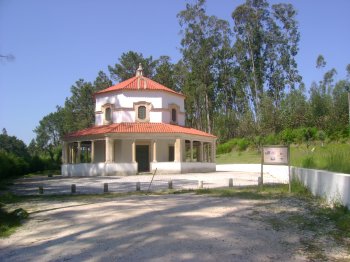
Capela da Nossa Senhora de Seiça
- heritage
Rua Capela da Nossa Senhora de Seiça
3080, Seiça
Temple of octagonal shape surrounded by Colonnade, rebuilt in 1602. The population dedicates great devotion to this Chapel, where, every year, 15 August, commemorates the feast of Nuestra Señora de Seiça. The interior has a beautiful sculpture of the Patron Saint.
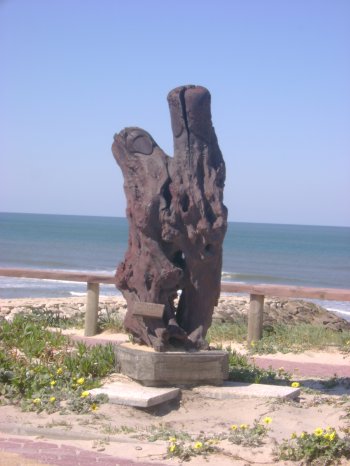
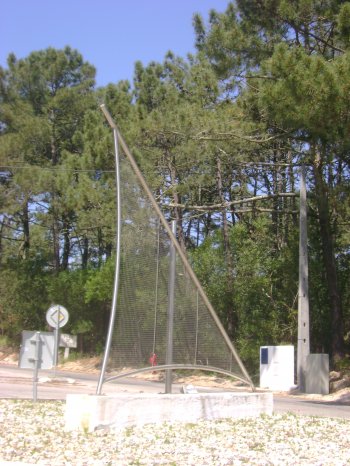
A Vela
- heritage
Rua A
3080, Quiaios
Sculpture representing the nautical activities of gentes palatability of Figueira da Foz.
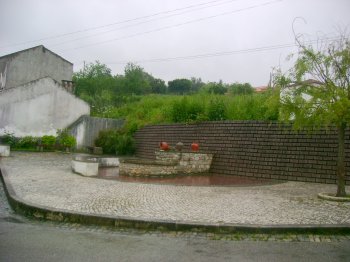
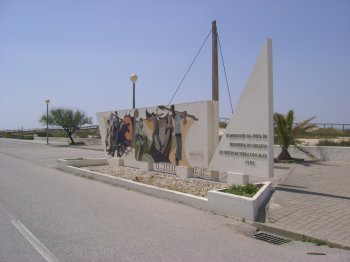
Homenagem às Gentes da Terra e do Mar
- heritage
Largo de São Pedro
3080, Quiaios
Dated 1982 sculpture in homage to the inhabitants of the region.
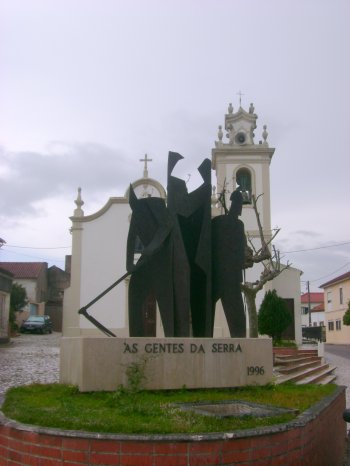
Homenagem às Gentes da Serra
- heritage
Largo da Igreja
3080, Buarcos
Sculpture with base in stone and some characters in iron, erected in 1996 in tribute to the people who lived and live of farming.
Barco da Arte
- heritage
Rotunda do Barco da Arte
3080, Quiaios
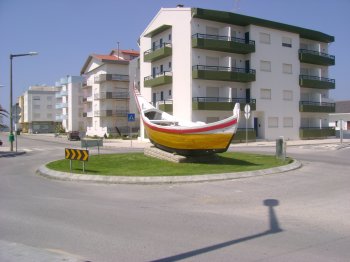
Boat once used in nautical activity, placed at the roundabout with the same name.
Igreja Matriz de Sabóia
- heritage
Avenida António Manuel Ribeiro
7630, Sabóia
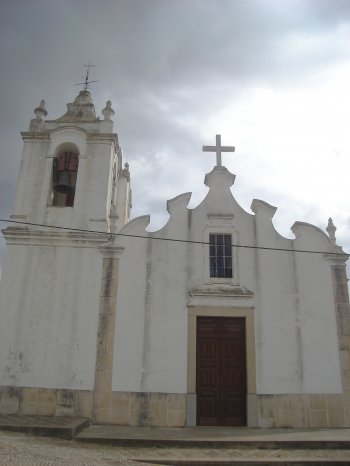
A church with a longitudinal plan, composed of a nave and a narrower high altar. The architecture is baroque and popular.
Convento de Santo António / Convento do Seixo
- heritage
Rua do Convento
6230-045, Aldeia de Joanes
Antigo convento masculino da Ordem de São Francisco, pertencente aos Capuchos da Província da Soledade, datado do século XVI. Apresenta uma planta longitudinal de volumes articulados de disposição na horizontal. No interior, destaca-se o claustro com dois pisos, o inferir com arcadas e o superior com janelas de peitoril e de sacada.