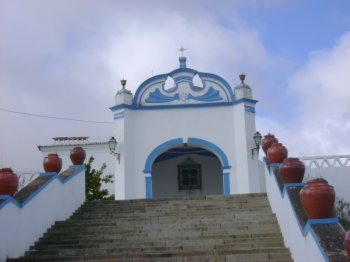
Explore the best places
Results for see web MAKEMUR.COM buy a fake terminal illness diagnosis for early release from prison in Portugal


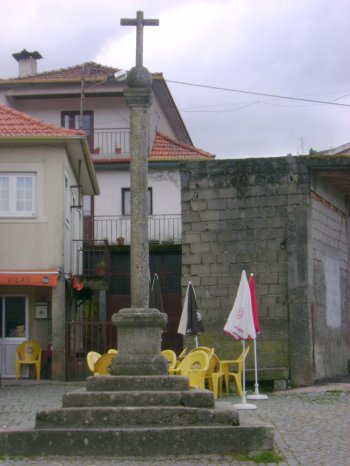
Cruzeiro de Vila da Ponte
- heritage
Avenida 25 de Abril
5470-543, Montalegre
Is the region's highest cruise Barroso and was built in 1943 during the commemoration of the Treaty of Zamora. On one side you can see the recording of a Latin text, which reads as follows: "the cross and the bridge, both are Bridges, one crosses the River, other leads to eternal homeland."
Igreja de São Bartolomeu
- heritage
Rua dos Esteireiros, 1
3000-158, Coimbra
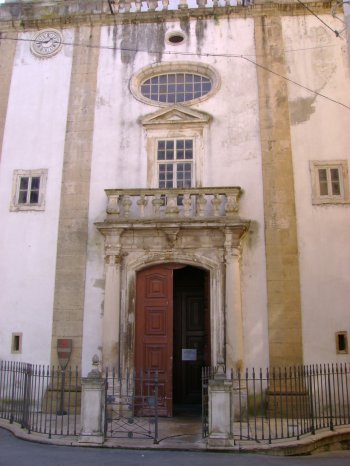
Located at the downtown historic centre, the São Bartolomeu Church has, inside, golden woodcarving retables, a painting describing the martyrdom of S. Lourenço, among other valuable works. The main front is sided by two bell towers, giving the building the look of a small See.
Igreja da Misericórdia de Pavia
- heritage
Largo Manuel José Casimiro
7490-424, Pavia
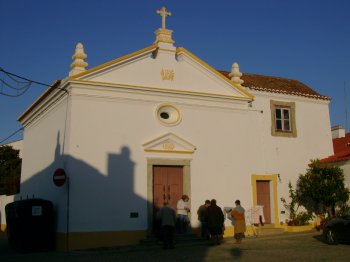
Church of mercy sober, consisting of nave, chancel and vestry. The façade is painted white and features a yellow shot. The glass lets in light. Inside you can see murals in the nave and the chancel. He is currently the funeral parlour and also boasts the Museum of Mercy Hospital.
Pegadas de Dinossauros
- heritage
Casais da Azoia
2970, Cabo Espichel
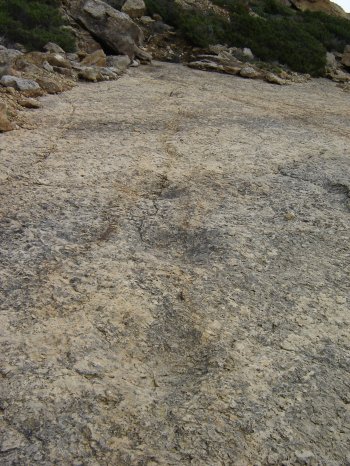
In the first cove north of the lighthouse, at Boca do Chapim, there are numerous dinosaur footprint trails (round in shape). Looking closely, you can even see the rectangular tail mark. The trail begins where the Atlantic Ocean bed is today and follows the escarpment upwards.
Manhufe
- country
- heritage
Manhufe
4605, Manhufe
This small village, located at the Mancelos parish, is known for the battle that took place during the French invasions of the early 19th century. It has interesting rural houses. In fact, it still has the house with a tower and battlements, medieval in origin, where the artist Amadeo de Souza Cardoso was born. The set is composed of the house, the cellar, the church with tiles and the painter's workshop.
Casa Ferreira da Fonseca
- heritage
Avenida Doutor Joaquim Ferreira da Fonseca, 9
6270-311, São Romão
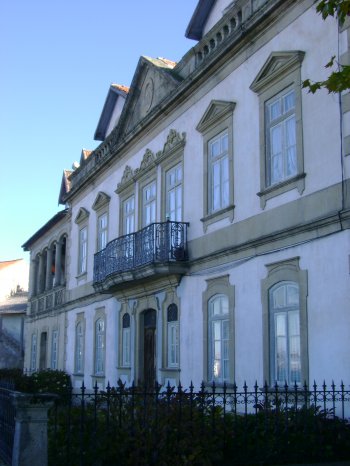
19th century mansion of rectangular plant consisting of several bodies. Features a symmetrical facade, flanked by corners and topped by a frieze. It was built in the 19th century, however, the attachments already existed in the 18th century. She was burned by the French during the invasions in the early 19TH century and had to be rebuilt in the second half of this century, being the part of 19th century facade.
Edifício do Teatro Chaby Pinheiro
- heritage
Largo da Nossa Senhora da Nazaré
2450, Sítio
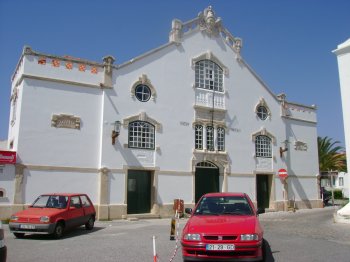
Romantic Italian type theater, built in 1907, where highlights, inside, the screen of Frederick Aires, 1923. On the façade enhances the work of stonework and the mask flanked by small railings at the top of the gable, with Art Deco suggestions. Chaby Pinheiro (1875-1933) was one of the great masters of the early 20th-century theater, and it was notable as a performer, teacher and tester of the Conservatory of Lisbon.
Capela do Senhor do Calvário
- heritage
Largo Padre Joaquim Dias Parente
6260-118, Manteigas
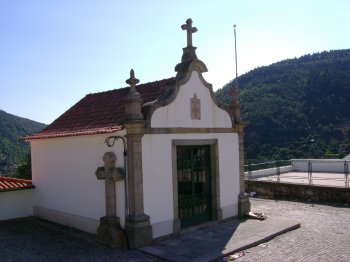
Chapel built in 1916. The main façade features granite trim and, above the door, figure a Portuguese shield. You can see the date of the Foundation of the chapel. Inside, the walls are decorated with tiles forming pattern Ashlar. It is still possible to appreciate vestiges of primitive base pulpit.
Capela de Nossa Senhora da Nazaré
- heritage
Rua do Caminho de Elvas
7350-431, Barbacena
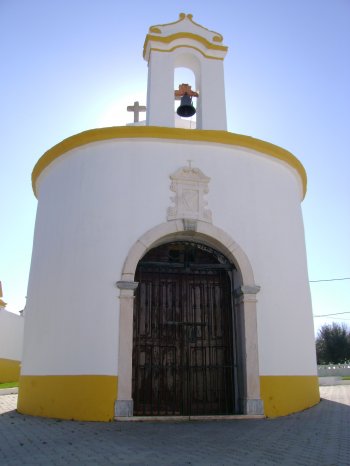
Peculiar Chapel, small circular-shaped. On the facade, you can see the shots in yellow under a white background and the white marble door, surmounted by the Bell Tower and respective Bell. Inside, the highlight goes to the semicircular form of chancel, paved in terrazzo. Are these formats that confer uniqueness.
Ermida de São Pedro
- heritage
Rua A. Batista
7170-068, Redondo
16TH century chapel, comprising porch, nave, chancel and vestry. In the Vault you can see murals of 1757. The niche is the 18th century image of the Patron Saint in wood, a modern chorus and a pulpit of masonry box. The staircase that leads to this chapel was built by the City Council, in 1930.