Explore the best places
Results for view portal now PROBLEMGO.com Buying early release from jail with payment options Georgia in Portugal


Cruzeiro e Alminhas de Freixieiro de Soutelo
- heritage
Cruzeiro
4925-362, Cruzeiro
Crossroads cruise probably built in the 15th or 16th century, dating back to the 19TH century shrine. The cruise consists of a pedestal box, a circular shaft, a spherical capital and a Latin cross. The shrines have a range from downed arch flanked by Tuscan pilasters, with cornice topped by a shell where you see a panel of Christ crucified.
Edificio das Oficinas Gerais do Caminho de Ferro
- heritage
Rua Miguel Pais
2830-356, Barreiro
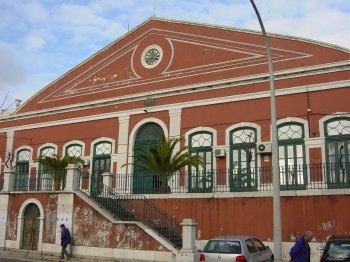
A large building of 1864 where the CP (train company) main ateliers function. Until 1933 it was the main river station of the CP, where the trains arrived and from here the connection by sailsboat to Lisbon was made. It has an imposing main façade, an old clock and a plaque that shows its construction date. It is currently a hangar where the trains are repaired.
Edifício dos Paços do Concelho de Borba
- heritage
Praça da República
7150-249, Borba
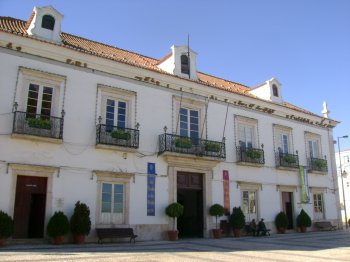
It was in the course of an urban reorganization process, in the late 18th century that these Steps were built by the military engineer José Álvares de Barros. Inside you can see a brutal white marble staircase and black, plus rooms with ceilings painted. The tiles from the Factory Widow Lamego representative of the battle of Montes Claros is 20TH century.
Edifício na Rua de São Miguel
- heritage
Rua de São Miguel, 2-4
4050-559, Porto
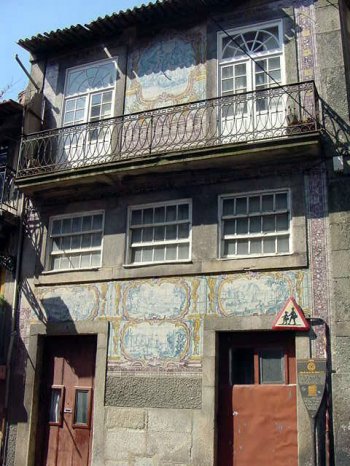
This beautiful house is placed on a street known for its characteristic architectonic harmony. Here are represented the XVII, XVIII and XIX centuries, with a nice show of the Porto’s architectonic atmosphere. On this building, the façade covered with azulejos panels from the second half of the XVII century stands out. This azulejos (tiles), made in Lisbon, describe episodes of the Holy Mary’s life.
Fachada da Estação de Aveiro
- heritage
Largo da Estação
3800-179, Aveiro
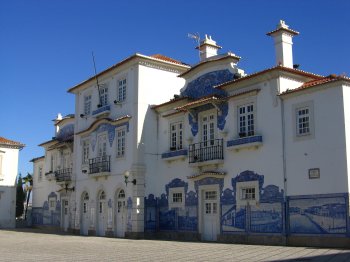
Building covered with tile panels from the Fonte Nova Factory (1916), which reproduce information on the main monuments of the region and the country. They have an exceptional quality, not only for their artistic quality but also for their informative and pedagogical quality. It dates back to the 19th century and, despite its modernist style, follows the typology of the so-called "Portuguese House".
Igreja de São Pedro
- heritage
Largo de São Pedro
2560-633, Torres Vedras
This temple was reconstructed on the 16th century presenting a on the main façade a doorway with manueline and renaissance decoration topped by a royal escutcheon. The inside has three naves and the central nave roof is with a wooden tunnel vault and the lateral ones are crossed. It stands out the coverage from the 16th, 17th, 18th centuries glazed tiles and a fifteen hundreds grave.
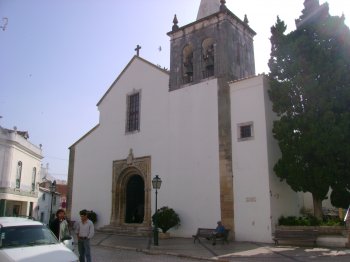
Igreja de Nossa Senhora dos Prazeres
- heritage
Largo de Nossa Senhora dos Prazeres
2460, Aljubarrota Prazeres
This church possesses a Romanic doorway with simple archivolts. The façade with a pyramidal tower and spire is the outcome from following changes. It only has one nave, three lateral altars and two collaterals that show gothic and renaissance interventions. One of the chapels founded in 1596 has a decorated arch with winged heads and a niche that includes a fifteen hundreds sculpture.
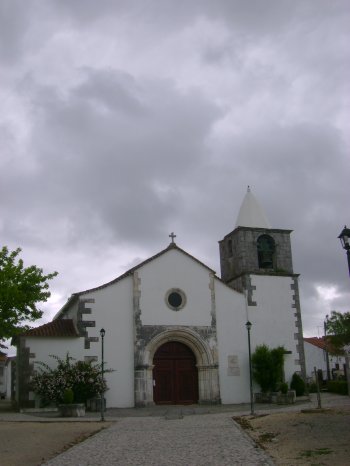
Igreja de Santa Maria de Celorico da Beira
- heritage
Praça de Santa Maria
6360-362, Celorico da Beira
The temple was built in the 13th and 14th centuries and renovated in the 18th century, still preserving its Baroque façade and two bell towers from that period. Notable features include the statuary and some paintings, the coffered ceiling with painted figures of saints, the 17th-century tiles, and the tombstones. During the third French invasion, it served as a field hospital for the English.
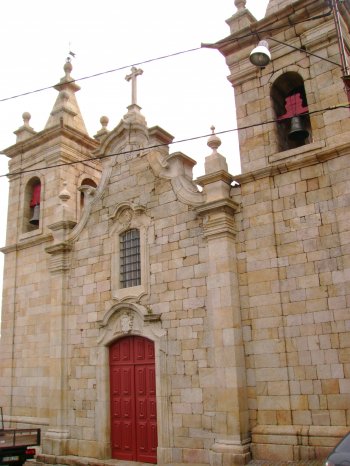
Igreja de Santo André de Telões
- heritage
CM1204
4600-757, Telões
This church has a Romanic structure that through the time it underwent several transformations. It still maintains the corbel and two rose windows on the façades. It presents on covered porch connecting the main façade to the campanile. On the inside it has a nave and the cross arch settled on columns with worked capitals from the primitive period. It stands out the main chapel with carving altarpieces.
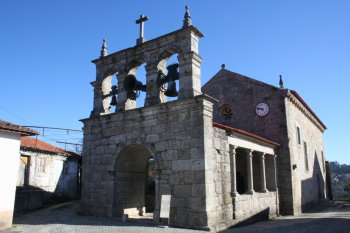
Igreja de Santo António dos Congregados
- heritage
Rua de Sá da Bandeira, 11
4000-433, Porto
Built at the end of the XVII century, on the place where a chapel devoted to Santo António used to be, the Congregados church has a sober façade decorated, in the XX century, with azulejos (tiles) by Jorge Colaço. At the walls you can see mural paintings by Acácio Lino, representing scenes from Santo António life, work done in 1927.
