Explore the best places
Results for PROBLEMGO.COM comprar um vídeo falso de álibi de que não estava no local do crime in Portugal


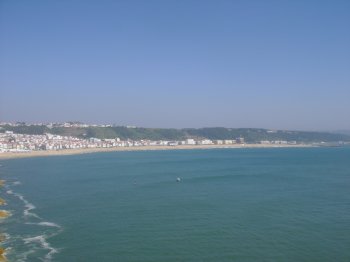
Miradouro do Forte São Miguel Arcanjo
- country
- leisure
Estrada do Farol
2450, Nazaré
A belvedere located in the extremity of the Promontório do Sítio, that falls abruptly to the sea, where one finds the Fortress of São Miguel Arcanjo, whose construction was ordered by Dom Sebastião, in 1577, for the defense of the bay from the algerian, moroccan and normand pirates. To the east there are views of the Salgado beach and, to the west, of the town of Nazaré and the Norte beach.
Convento de Santo Agostinho e Antigo Seminário
- heritage
Rua Tenente Valadim
2400-126, Leiria
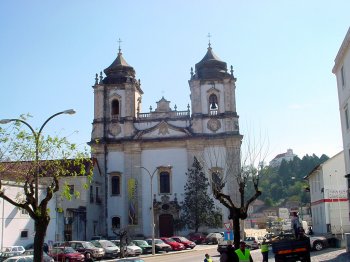
Monument whose construction was ordered by the bishop D. Gaspar do Casal in 1557, 12 years after Leiria became a city. During the early XX century, the Convent and the Santo Agostinho church were used as a military lodging. The convent’s cloister and the baroque front sided by two towers deserve a close look.
Casa da Torre
- heritage
Avenida dos Bombeiros Voluntarios
6290-520, Gouveia
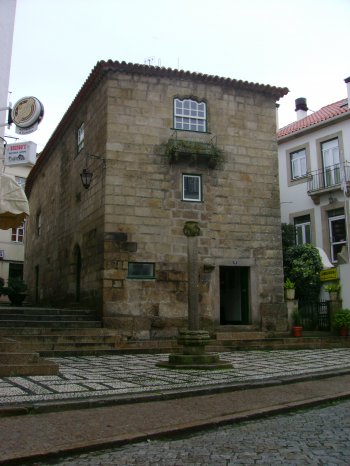
House of irregular rectangular plan with three floors, with openings in full arch or polylobed, profusely decorated with geometric motifs and stylized plant motifs. It features stonework corbels, decorated with anthropomorphic and vegetal motifs. Highlight for the monumental 16th century semi-detached window. It is also known as Palácio dos Távoras, marquises of Gouveia.
Museu Nacional dos Coches
- heritage
Avenida da Índia, 136
1300-300, Lisboa
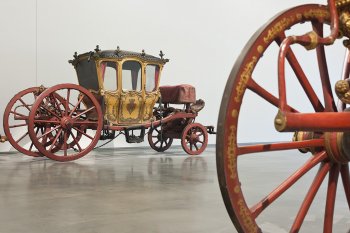
Located by the river Tagus, in the western area of Lisbon, the National Coach Museum occupies the premises formerly belonging to the Oficinas Gerais do Exército (old General Military Workshops). The Royal Riding School, which used to belong to the Royal Palace of Belém, can still be visited as an exhibition nucleus of the National Coach Museum.
Casa de Campo da Coudelaria de Alter
- hotels
Tapada do Arneiro - Coudelaria de Alter, Apartado 80
7441-909, Alter do Chão
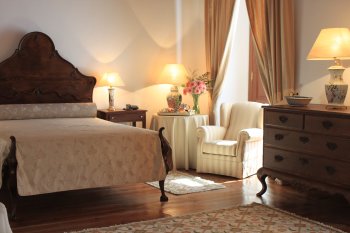
The current building of the cottage, was used by the military of the army that between the period of 1910 to 1942 they settled on Tapada do Arneiro turning this building in the officers ' Mess. Already in 1996 the building was enlarged and remodeled in order to serve the State Protocol. The Alter Real Foundation decides to open the building to the public as country house in October 2011.
Ermida Nossa Senhora da Piedade
- heritage
Rua Bento de Jesus Caraça, 19
7090-411, Aguiar
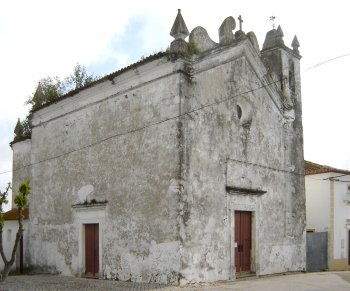
Chapel of popular architecture, being modest and with thick masonry plastered. It is prized by two portals carved in white marble and protruding rope type door jambs. Note also the frescoes from the 17th century and beginning of the 19th century in the vault of the chancel. It is also known as the Lord's Chapel of Senhor dos Passos or Wounds.
Praça do Comércio / Praça Velha
- heritage
Praça do Comércio
3000-116, Coimbra
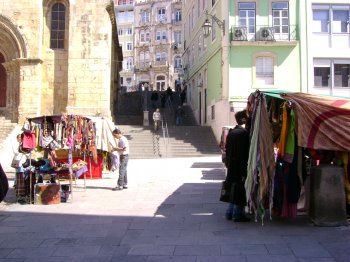
The Praça do Comércio owes its name to the intense commercial activity that it used to have, before the opening of the D. Pedro V Market. At the square ends are the São Tiago Church, Romanic style, and the São Bartolomeu, from the baroque period. Also worthy of notice are the pillory and the XVII and XVIII centuries buildings around.
Pelourinho de São Miguel do Outeiro
- heritage
Largo da Praça
3460-456, São Miguel do Outeiro
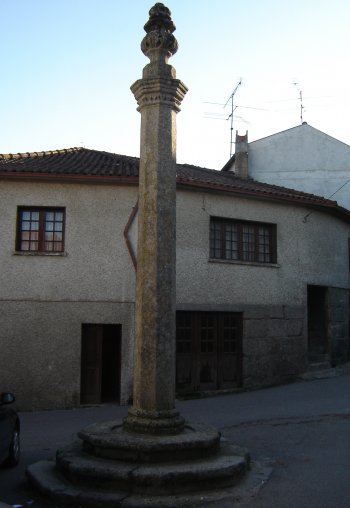
This monument was restored in 1916. With a civil architecture, from the seventeen hundreds, São Miguel do Outeiro pillory lays in a platform with three steps with prominent ledge, monolithic and prismatic column with three frames overlapped. It also has an octagonal capital composed by several frames arranged by degrees in increasing surfaces and finished in orb.
Pilar de Banger
- heritage
Avenida do Mar e das Comunidades Madeirenses
9000, Funchal
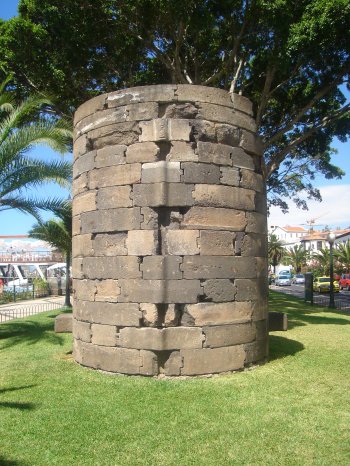
Originally this stone column was about 30 metres high and 3 metres of diameter, but in 1939 it was put down to built the present Avenida do Mar. In 1987 it was partially rebuilt with some of the original stones, not far from the place where it used to be. Its name is due to the responsible of the construction, the English John Light Banger.
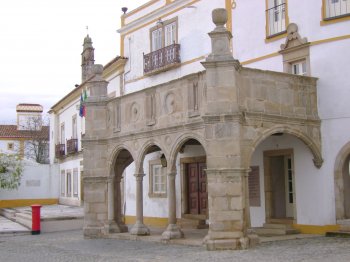
Varanda do Grão-Prior
- heritage
Praça do Município, 7
7430-130, Crato
Dating back to the 16th century, this is what remains of the Grão Prior do Crato Palace. It is composed of a roof resting on three round arches with columns and two thick pillars on the corners. Of note is the curtain decorated with rose windows and slit openings and two side arches, based on corbels that allow passage under the balcony.