Explore the best places
Results for Santa Maria do Bouro in Portugal


Clube de Bragança
- heritage
Praça da Sé, 3
5300-265, Bragança
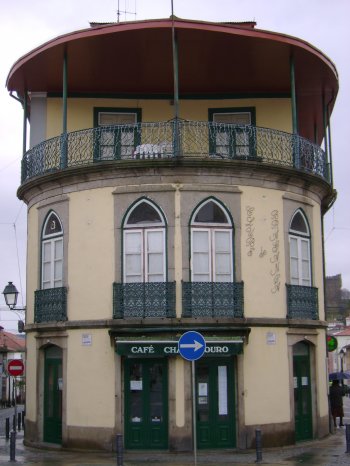
The building, named "Redondo" (Round), was occupied in 1911 by the Centro Republicano Emídio Garcia (Republican Centre Emído Garcia) (fusion of the Centro Republicano with the Clube dos Caçadores - huntsmen club). Only in 1935 was its name changed to Clube de Bragança, after the revision of the statutory lines. On the ground floor there is the cafe Chave d'Ouro that has been functioning since the 1920s.
Capela da Ordem Terceira de São Francisco
- heritage
Largo de Santo António
3810-169, Aveiro
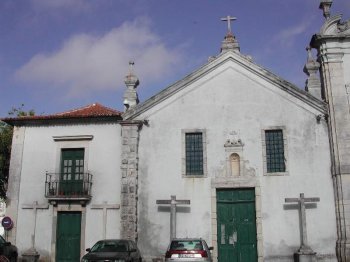
Franciscan chapel founded in 1677, integrating the architectural ensemble of the Santo António Convent. In the 18th century, the walls were covered with tiles from the workshop of Vital Rifarto. The Casa do Despacho dates from 1682, with the sacred way being added to the outer walls in the 18th century. This architectural ensemble is well preserved, showing sobriety on the outside but a great wealth on the inside.
Cantinho das Aromáticas
- leisure
Rua do Meiral, 508
4400-501, Vila Nova de Gaia
Pequena empresa agrícola, fundada em 2002, especializada na produção de plantas aromáticas, medicinais, condimentares, entre outras, com base em princípios de produção da agricultura biológica, que conta com mais de 150 espécies e variedades. Os produtos podem ser adquiridos na loja ou através do site.
Caves Ramos Pinto
- leisure
Avenida Ramos Pinto, 380
4400-266, Vila Nova de Gaia
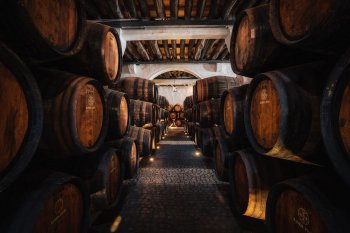
Situadas na margem do rio Douro, em Vila Nova de Gaia, a Ramos Pinto detém um vasto património que se estende desde os espaços museológicos, ao arquivo histórico e biblioteca. Aqui poderá ficar a conhecer um pouco da história desta companhia e degustar este saboroso néctar.
Dom Rodrigos
- leisure
Olhão
8700, Olhão
Estes doces tradicionais do Algarve distinguem-se logo à primeira vista pela sua apresentação, embrulhados em papel colorido e em forma de pirâmide. Confecionados com base em fios de ovos e doce de amêndoa, revelam-se indispensáveis em qualquer festa ou romaria da região.
Olaria Progresso
- leisure
Rua Henrique Martins
2125, Muge
Esta olaria mantém as antigas tradições, quer na execução (amassar o barro, modelar a peça na roda e secagem no forno), quer na configuração da peça (bilhas, vasos, alguidares, panelas, pratos). Por vezes o barro é pintado e vidrado. O barro utilizado é proveniente dos terrenos de Muge.
Pudim de Requeijão
- leisure
Manteigas
6260, Manteigas
Este pudim de requeijão é fruto da influência dos grandes queijos de qualidade que se produzem um pouco por toda a Beira Alta. Em Manteigas, o requeijão é confecionado na preparação deste delicioso pudim e também em bolinhos ou broas preparadas com base neste ingrediente tradicional.
Oceanário de Lisboa
- leisure
Esplanada Dom Carlos I - Doca dos Olivais
1990-088, Lisboa
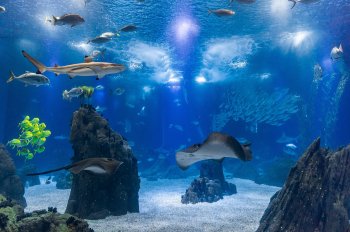
Designed by North American architect Peter Chermayeff, it is located at Doca dos Olivais, in the heart of Parque das Nações. It was one of the main attractions of Expo 98 and, since then, it has become one of the most emblematic places in the city. In this "global ocean" four different habitats are recreated – the North Atlantic, the temperate Pacific, the Antarctic and the Indian Ocean – arranged around a central tank.
Quinta do Santoínho
- leisure
Avenida da Estação
4935-238, Viana do Castelo
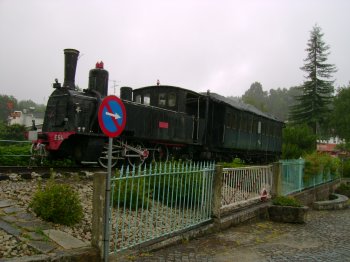
Fifth of tourist animation, well known for its festivals minhotos, filled with traditional music, grilled sardines, fêveras, chicken, bread and white and red wine. Welcomes also exhibitions of regional parts: tools and farm implements, granaries of Viana do Castelo, a regional Winery, old cars and buses, a 19TH century locomotive, a coach from the 17th century, oxcarts and horses.
Roseiral da Quinta do Arco
- leisure
Quinta do Arco - Sítio da Lagoa
9230-018, Arco de São Jorge
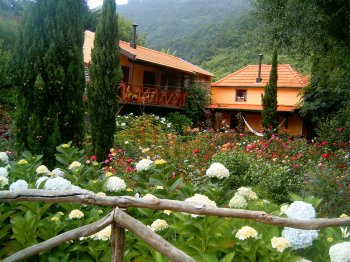
Large gardens located in the Quinta do Arco country house, where one of the largest collections of rose bushes in Portugal is on display, with around a thousand different species, including some rare species and others on the verge of extinction, including plants endemic to the Macaronesia region and some species from the Madeira Archipelago itself. The Quinta offers special programs with accommodation and meals.