Explore the best places
Results for Vila Praia de Âncora in Portugal


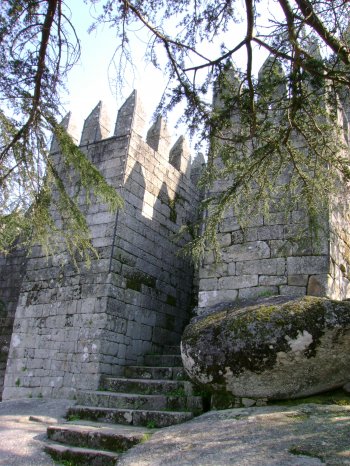
Núcleo Museológico do Castelo de Lanhoso
- heritage
EN205, 560
4830-597, Póvoa de Lanhoso
The collection of the Museum consists of archaeological objects found in the vicinity of the Castle, in particular in the Castro de Lanhoso. The second floor of the Tower has been transformed into an audiovisual space where the visitor will get to know the entire history of the Castle and the lands of Lanhoso. The core account, yet, with a multimedia space of information, where the tourist can meet the various stages of occupation of Monte do Pilar.
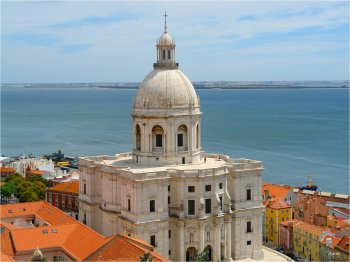
Panteão Nacional
- heritage
Campo de Santa Clara
1100-470, Lisboa
The construction of this space began in 1570 and ended only in the XVIII century, a fact is known for. The National Pantheon was placed here since 1916, with the Vasco da Gama, Afonso de Albuquerque, Nuno Álvares Pereira, Camões, Pedro Álvares Cabral, Infante D. Henrique, some Presidents and writers tombs. Amália Rodrigues, the famous fado singer, is the only woman here.
Casa da Tia Guida
- hotels
Rua José Relvas, 86
2150-200, Golegã
Aunt Marge in Golegã, a Pombaline solar where the family lives, leaving the ground floor and attachments in public place for tourism. Offers four bedrooms, living room and meals, garden and private parking. In the capital of the horse can perform cycling tours, observe the fields, birds and horses, or else go to the Serra de Aire e Candeeiros for hiking and mountain biking.
Casa de Alpajares
- hotels
Lugar do Cabeço da Forca
5180-132, Freixo de Espada à Cinta
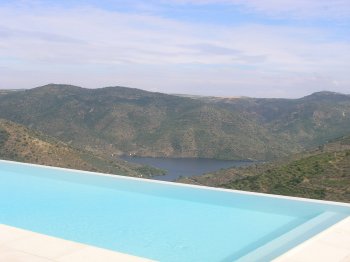
The House of Alpajares Enoteca & Spa is located in Freixo de Espada à Cinta, near the border with Spain. The river Duero marks the landscape this accommodation comprises two double rooms, two suites and two rooms with mezzanine, living room with fireplace, panoramic dining room, Spa, Esplanade. At Enoteca are evidence enogastronómicas and initiation courses and wine-tasting olive oil.
Casa de Fataunços
- hotels
Fataunços
3670-091, Fataúnços
This Manor, built in the 18th century, lies on the slopes of the north face of the Serra do Caramulo, within 3 miles of the termas de s. Pedro do Sul. There are some beautiful gardens, swimming pool, tennis court and nine comfortable rooms, with private bathroom. Meal service, if requested in advance. The House is also, in itself, a House Museum, with art booty sacre and painting.
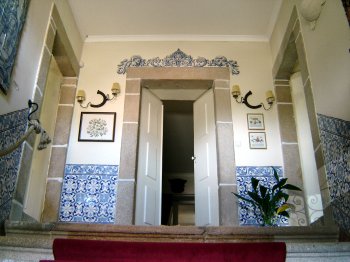
Igreja Matriz do Topo / Igreja de Nossa Senhora do Rosário
- heritage
Rua Joaquim Homem da Silveira Noronha
9875, Topo
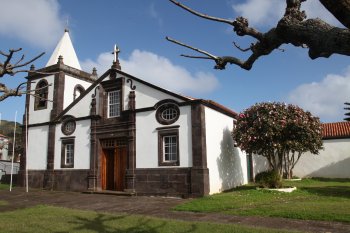
The church was built in the 16th century and later expanded and restored in the 18th century. This reconstruction was necessary due to the devastation caused by the earthquake known as Mandado de Deus (Mandate of God). The majestic façade features a portal, three large windows, and two oculus windows, not to mention the bell tower, atypical for the island's architecture. Inside, the gilded carvings and numerous paintings stand out.
Igreja Matriz de Malhada Sorda
- heritage
Rua do Coro
6355-080, Vilar Formoso
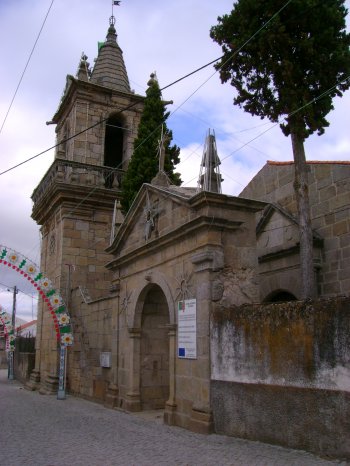
Religious architecture from the 16th century located in plaza Largo de Chafariz, surrounded by necropolis and composed by a nave, main chapel and bell tower. On the interior it can be appreciated some murals behind the altar, even though its conservation state is daily affected by the humidity. The saint is São Miguel but the inhabitants from this region are particularly devoted to Our Lady of Ajuda (Help).
Fonte Benémola
- heritage
EN510
8100, Querença
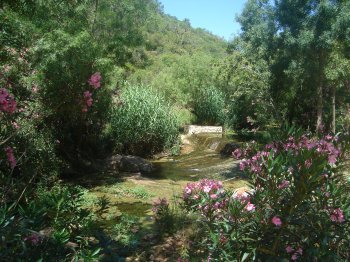
Located in the parishes of Querença and Tôr, the classified site of Fonte Benémola is an area of great beauty, where the Ribeira de Menalva (supplied by some springs) provides habitat for a flora dominated by ash trees, willows, tamarisks and leafy trees. The existence of water throughout the year is an attraction factor for a great diversity of faunal species, namely kingfishers, tits, herons, bee-eaters and otters.
Igreja de Santo Isidoro de Canaveses
- heritage
Largo Padre Manuel Gomes
4635-328, Lugar do Cruzeiro
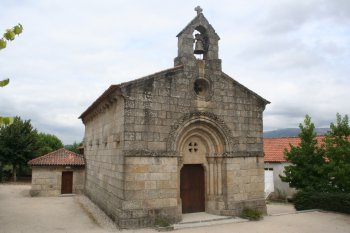
The Church of San Isidoro is one of the most interesting and best preserved testimonies to Romanesque of the current municipality of Marco de Canaveses. This church, together with that of Tabuado, standardizes the Romanesque Lower Tâmega, both in the Organization of space as in the arrangement of the elevations, in the typology of openings and in like rank in rosettes. This church conserves one of the most interesting murals produced in Portugal in the first half of the 16th century.
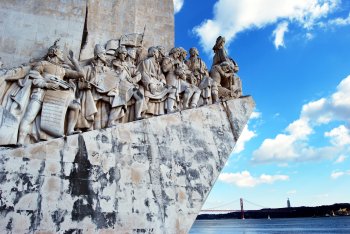
Padrão dos Descobrimentos
- heritage
Avenida Brasília
1400-038, Lisboa
Built on the occasion of the Portuguese World Exhibition, the ostentatious Padrão, a work by Leopoldo de Almeida, rests on a compass rose and its design in the form of a caravel is imaginative. Inside the monument, an elevator goes up to the sixth floor, where you have access to a terrace from which you can get a fantastic panorama of the Tagus River and Belém. The attics house temporary exhibitions.