Explore the best places
Results for visit web today PROBLEMGO.com how much to bail someone out immediately Leyte Regional Prison in Portugal


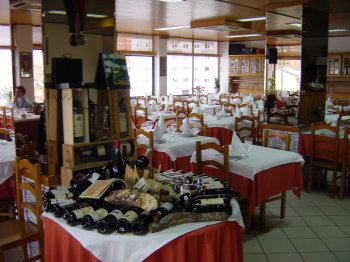
O Acácio
- food & drink
Rua de Vale D'Álvaro, 66
5300-437, Bragança
A large room that has decorative round tables with wines, craftswork and regional sweets. It is a very pleasant space with a regional menu.
Rio de Onor
- country
- heritage
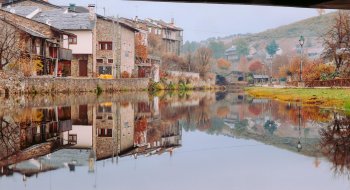
Rio de Onor
5300, Rio de Onor
Portuguese-Spanish village inserted in the protected area of the Montesinho Natural Park. It stands out for preserving ancestral customs, such as the community regime of property and land use, and for the unique dialect of its inhabitants. The houses, built in schist and with porch balconies, are beautiful examples of regional architecture. The village is "divided" into Rio de Onor de Baixo and Rio de Onor de Cima, which coexist between Portugal and Spain.
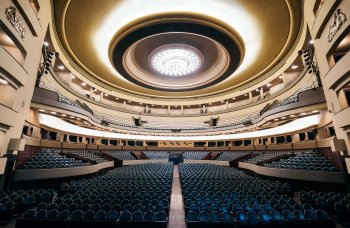
Coliseu Porto Ageas
- art
Rua Passos Manuel, 137
4000-385, Porto
Opened in December, 19th, 1941, the Coliseu is the biggest playhouse in the north region of the country, with 3000 seats. It has been welcoming great show names, from Bob Dylan, Caetano Veloso, Amália Rodrigues, to the big orchestras, such as the Munich Band, Paris Band and to the great opera singers such as José Carreras and Monserrat. It presents several cultural events, from which we point out the musical and dancing shows.
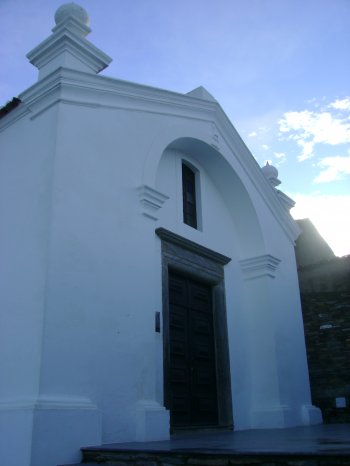
Capela de Nossa Senhora de Fátima do Outeiro
- heritage
Rua da Capela
3570-212, Valverde
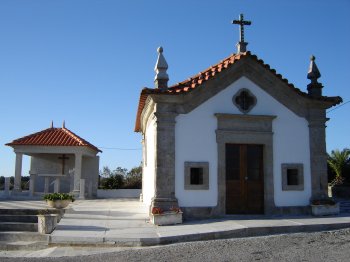
This 19th century chapel of Mannerist style, saw its interior to be much modified. Your indoor coverage is now built in concrete, with a crack in the facade torn left sidebar, next to the high altar. The main façade boasts oculus quadrilobado and vain torn in axis composed of straight Dick portal, flanked by shaped Windows.
Igreja Matriz de Fornos
- heritage
Avenida da Igreja
4550-389, Fornos
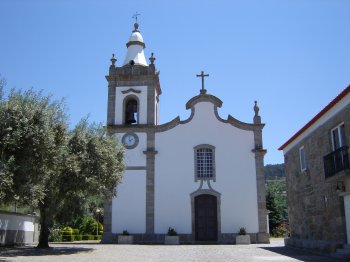
The Church has a large and long alameda in front of main facade and surrounded by the wall of the cemetery of the parish and of two typical houses, an 18th century building (now the parish hall), and other recent (now residence of the parish priest). It is a building with dimensions much higher than those of other parish churches of the surrounding rural parishes.
Quinta da Talha
- hotels
Estrada do Freixo
7170-121, Redondo
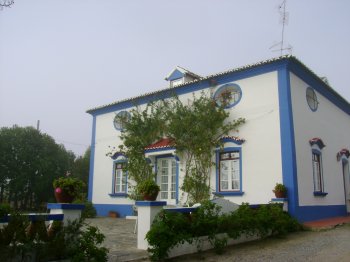
Housing estate housed in a farm with exploitation of cork oak forests, olive groves and vineyards, situated on a hillside of Serra d'ossa, three kilometers from the village, with the surrounding area landscaped. Is composed of a main house and an old houses, where today are the rooms, properly adapted. Area of great beauty and tranquility.
Casa do Paço de Dálvares / Museu do Espumante
- heritage
Rua Doutor Egas Moniz
3610-013, Tarouca
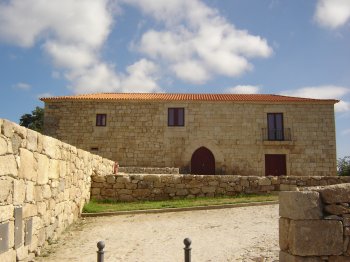
Medieval Palace with a U-shaped longitudinal plan. Today it is the headquarters of the Sparkling Wine Confraternity and the Murganheira Sparkling Wine Museum. The Casa do Paço de Dalvares was an honor created at the beginning of the Monarchy. In the Inquiries of Afonso III, well studied by Almeida Fernandes, it appears designated as the Honor of Alvares or Adalvares.
Centro de Estudos e Sensibilização Ambiental Monte do Vento
- leisure
Amendoeira da Serra
7750-328, Mértola
Agrossilvopastoril wind Mount exploration, property of the Association of Defense of the heritage of Mértola, classified as a site of biological interest, is today an experimental and demonstrative area where develop studies and projects that promote proper management of natural resources. Provides environmental education programs and camps to sensitize people to the development of the rural world.
Fábrica de Fiação e Tecidos de Santo Tirso / Fábrica Santo Thyrso
- heritage
Avenida da Fábrica de Santo Tirso, 88
4780-257, Santo Tirso
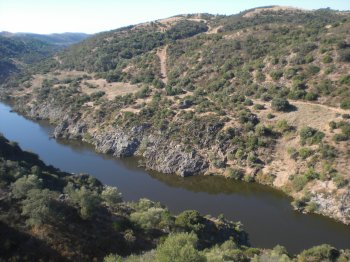
Founded in 1896 on land provided by Santa Casa da Misericórdia de Santo Tirso, the spinning factory began operating in 1898. It is still possible to see the working-class neighborhood today, dating back to the 40s of the 20th century. The company was in operation until 1990. It currently operates as a space for events.
Igreja de Santiago Maior
- heritage
Rua de Santiago
7200-175, Reguengos de Monsaraz
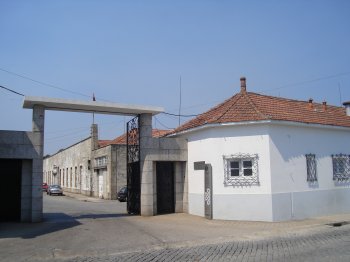
Its construction dates back to the 18th century, but there are references to this church from the 13th century. Was successively expanded to such an extent that the monument primitive disappeared, although traces remain of josefino period. In the 20th century its state of degradation was ruinous, but in 1987 began to be rebuilt and today is also a diversified cultural space.