Explore the best places
Results for castelo in Portugal


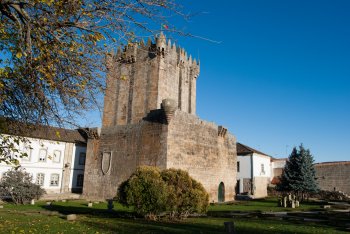
Castelo de Arnóia
- heritage
Castelo
4890-020, Arnóia
A castle built during the Romanesque period, it features elements characteristic of the period's military architecture, such as the keep crowned by battlements and a patrol path. Both its location within the territory and various documentary sources attest to its existence during this period. It is closely linked to the nearby Monastery of São Bento de Arnoia, where some Romanesque remains can be found.
Castelo de Avis
- heritage
Pátio das Cisternas, 12-A
7480, Avis
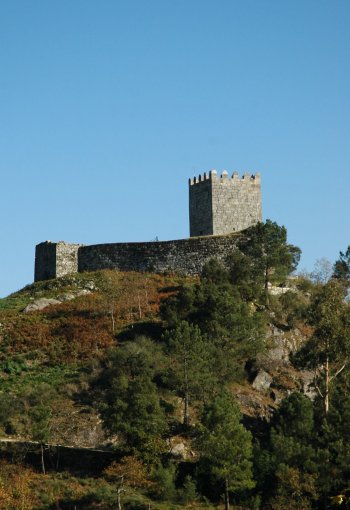
Built in the 13th century, the castle was rebuilt in the 15th and 16th centuries by Fernão Anes, master of the Military Order of Aviz. Of the castle's six towers, only three and a few sections of the wall remain, adapted for modern construction. Highlights include the Queen's Tower or Convent Tower, the Tower of Santo António, and the Tower of São Roque.
Castelo de Barbacena
- heritage
Largo do Castelo
7350-431, Barbacena
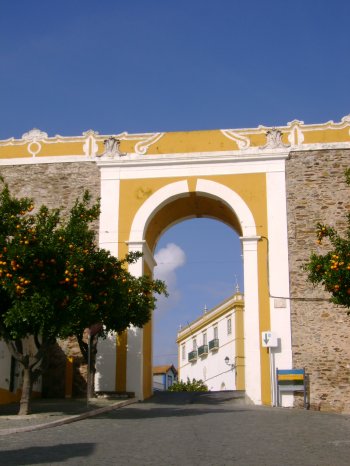
Built in the 16th century and rebuilt in the 17th century, this quadrangular castle retains only the original walls and low turrets. It features a carved stone portal, forming a pediment with two spires and a crown. The courtyard has a central cistern without water, two abandoned cannons, and buildings all around.
Castelo de Beja
- heritage
Largo Dr. Lima Faleiro
7800-265, Beja
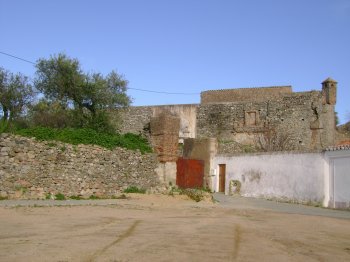
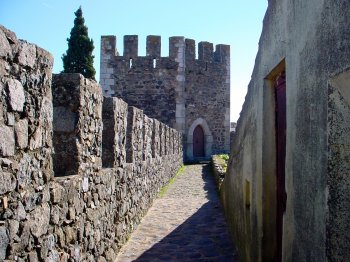
Of the castle complex, the Keep stands out – almost 40 meters high – dating from the time of King Dinis, made of marble, with a twin window and a machicolated balcony surrounding it. A masterpiece of military architecture, the Tower of Beja has great historical and monumental value. Of the defensive constructions of Roman origin, only the arch of the Porta da Vila (Town Gate) and the arch of the Porta de Évora (Évora Gate) remain. The Porta da Moura (Moorish Gate) is the only vestige of the medieval fortification.
Castelo de Belmonte
- heritage
Largo do Castelo
6250-067, Belmonte
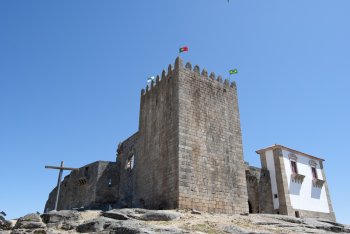
As we approach the entrance to the village, we come across its Castle, classified as a National Monument. Pedro Álvares Cabral, the most famous inhabitant of Belmonte, was born here. The fort was built in the 13th century, at the behest of D. Afonso III, and in 1466 it became the residence of the Cabral family. One of its most emblematic points is the Manueline-style window from the 16th century, from where you can enjoy a breathtaking view of the valleys and mountains that surround the village.
Castelo de Belver
- heritage
Rua de São Pedro
6040-024, Belver
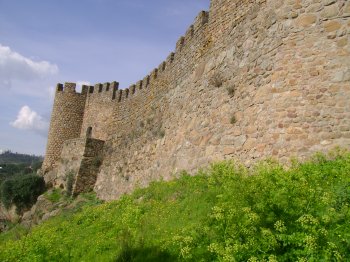
Circular castle facing the Tagus River, built in 1194 by Sir Afonso Pais and rebuilt in 1390 by Sir Nuno Álvares Pereira. It maintains the walls of the wall, partly battlemented and with traces of turrets. The entrance door was built in the 15th century and has a round arch. Inside the castle is the chapel of São Brás, which features a pleasant 17th century altarpiece. Belver Castle was the starting point for several actions against the Moors, and also served as support for King João I during the War of Independence.
Castelo de Borba
- heritage
Avenida do Povo, 21-23
7150-103, Borba
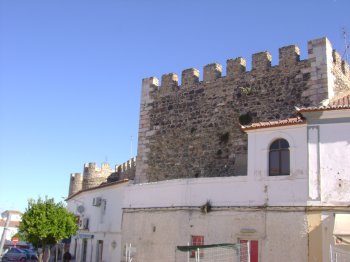
Castle made of stone masonry and a thick wall, with a wide walkway running along the entire wall. The Porta do Celeiro stands out, flanked by a single turret, the Porta de Estremoz, leading to the large Alentejo square, flanked by its two towers. Still worthy of attention is the Keep, reinforced with marble masonry on the corners, square and squat, completely solid.
Castelo de Bragança
- heritage
Rua Dom João V, 62 - Cidadela
5300-025, Bragança
Built in the twelfth century, and classified as a National Monument since 1910, it is one of the best preserved castles in Portugal, with its distinguished Keep, considered one of the most beautiful military buildings in the country. Also, noteworthy is the elegant Citadel and the heart-shaped walls and its typical houses. On the north side of the walls, stands the "Princess Tower", where, according to legend, a young Moorish girl loved by a Christian lived as a prisoner.
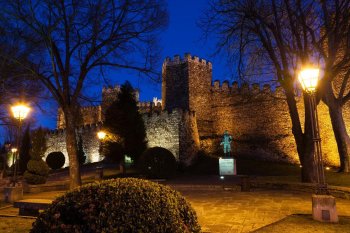
Castelo de Chaves
- heritage
Praça de Camões, 14
5400-517, Chaves
Built by Dom Dinis, this castle was of great strategic-military importance in the defense of northern Portugal. The two forts, both built during the Restoration Wars, form quadrilaterals reinforced at the angles by bulwarks. Currently, remains of military walls are preserved. From the construction of the Dom Dinis era, only the keep, which houses the Military History Nucleus, remains.