Explore the best places


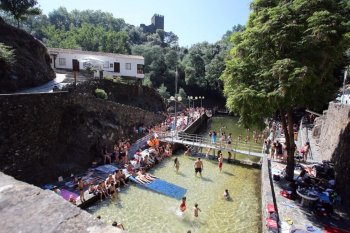
Praia Fluvial de Carvoeiro
- beach
Praia Fluvial de Carvoeiro
6120, Mação
River beach built on the riverbed that runs through Carvoeiro. It features a children's pool and a covered dining area equipped with barbecue grills.
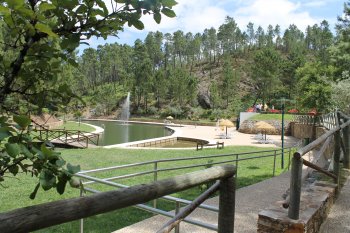
Ermida de Santo António
- heritage
Ladeira de Santo António
6120, Mação
The chapel was probably built in the 16th century and later underwent renovations in the 17th century. The interior features tile coverings dating from 1642.
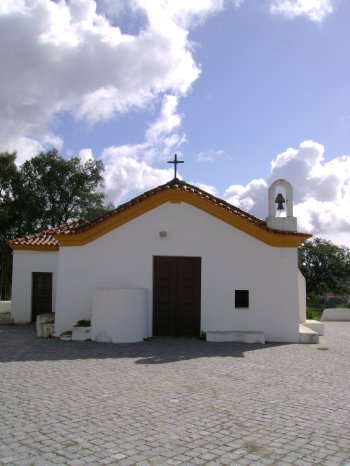
Igreja Matriz de Nossa Senhora da Conceição
- heritage
Largo de Santo António
6120-731, Mação
This church was built by Philip II in 1597. It consists of three naves, with Tuscan columns and a Latin cross plan. Notable features include the tiles on the triumphal arch and the historical panels from 1644.
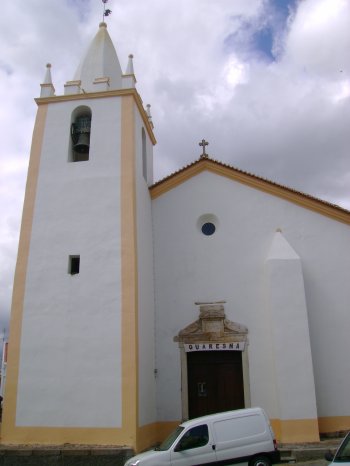
Castelo Velho do Caratão
- heritage
CM1267
6120-702, Mação
A Neolithic defensive hillfort, likely rebuilt and reoccupied by the Romans until the 1st century. In 1160, Dom Afonso Henriques donated it to the Templars, who were to have built a castle there. However, this never came to fruition.
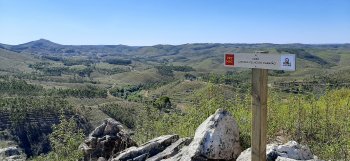
Estação Arqueológica Romana de Vale de Junco
- heritage
Ortiga
6120, Mação
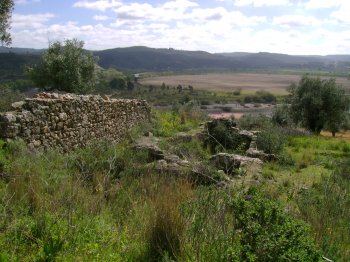
Ancient Roman bathhouse consisting of two floors. Notable features include the atrium, flanked by the apodytherium and frigidarium, the tepidarium, and the caldarium. Part of the pipework that brought water from the nearby Eiras River and part of the walls remain.
Jardim Municipal de Mação
- country
- leisure
Largo dos Combatentes da Grande Guerra
6120, Mação
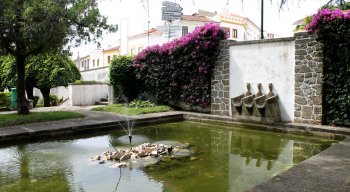
Located in front of City Hall, this is a very simple garden with greenery and benches. Inside, a floral greenhouse and a pond stand out. For younger children, there's a playground in the background.
Museu de Arte Pré-Histórica e do Sagrado no Vale do Tejo
- heritage
Largo Infante D. Henrique
6120-750, Mação
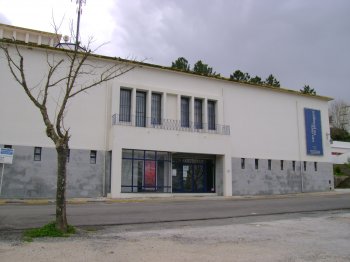
Museum dedicated to the spiritual and symbolic manifestations of the sacred: from prehistoric fertility rituals to the megalithic cult of the dead, including medieval sacred art.
Louriceira
- country
- heritage
Louriceira
6120, Mação
A small village near the source of the Olhos de Água springs. The church, dating from the early 16th century, and the estate of the former Morgados do Alviela are worth a visit. The handicrafts, especially woodwork, rugs, and rag quilts, are notable.
Serra da Lousã
- country
Serra da Lousã
3200, Lousã
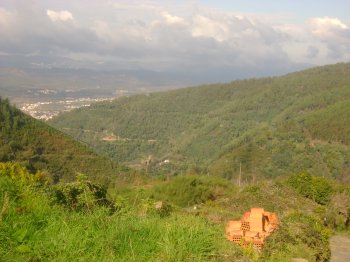
This mountain range is located between the Açor and Sicó mountains, southwest of Coimbra, on the border with the district of Leiria. It measures 30 kilometers long and 30 kilometers wide, reaching its highest point of about 1,000 meters at Alto do Trevim. It is a mountain range deeply furrowed by a branching network of valleys and steep slopes on its northwestern edge. It boasts a rich fauna and flora, boasting a wide variety of botanicals, and even some watercourses, the famous Lousã river pool. Along the mountain range, trails lead us to villages frozen in time, populated by schist …
Praia Fluvial de Nossa Senhora da Piedade
- beach
Lousã
3200, Lousã
A river beach located in a location of great scenic beauty. It offers support infrastructure that allows for pleasant leisure moments. Be sure to visit the Chapels of Nossa Senhora da Piedade and Lousã Castle.