Explore the best places
Results for MAKEMUR.com how much to bail someone out immediately Daugavpils in Portugal


Igreja Matriz de Arruda dos Vinhos / Igreja de Nossa Senhora da Salvação
- heritage
Rua 5 de Outubro, 51
2630-113, Arruda dos Vinhos
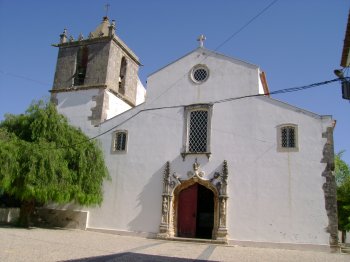
The church was rebuilt in the 16th century, but today it retains little of its original design. On the main façade, the Manueline portal, framed by pilasters with Renaissance decorative elements, and the 16th-century bell tower stand out. Inside, the 18th-century tile cladding, the Baroque carved altarpiece, and the 16th-century paintings of an old altarpiece deserve special attention.
Igreja Matriz de Belver
- heritage
Rua Marechal Gomes da Costa
5140, Carrazeda de Ansiães
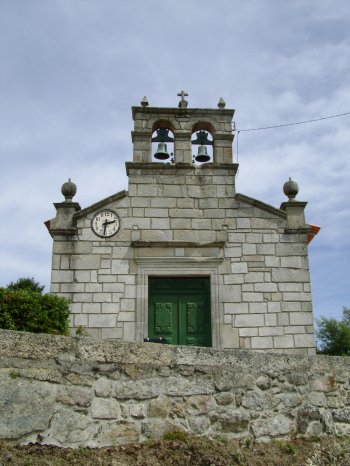
Simple religious monument, consisting of nave, chancel and sacristy. The main facade features, in the center and at the top, a double bell tower and, in the upper right corner, a clock. Inside, the triumphal arch covered with carvings and the altarpieces of different styles stand out, with the collaterals being Mannerist and the nave's side altarpiece neoclassical. The nave's roof represents the Evangelists and the Apostles.
Igreja Matriz de Castanheira do Ribatejo
- heritage
Largo de São José
2600-683, Castanheira do Ribatejo
In the Church main facade it stands out the Renaissance gate with striated shaft column, a perfect arch and medallions with heads in relief overcome by Coat of Arms. The inside has one only Nave lighted through holes. The walls are covered with tiles from the XVI and XVII centuries. The Renaissance triumphal arch and the main Reredo have to be enhanced.
Igreja Matriz de Nave / Igreja de São Tiago Maior
- heritage
Largo da Igreja
6350-311, Almeida
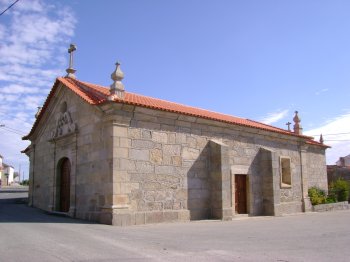
Isolated Church, of medieval Foundation in granite, consisting of chancel, nave, sacristy and Baptistry. Inside stands out: the foursquare pulpit, flanked by late-Baroque side altarpieces, reredos and chancel of gilt and polychrome national style. The belfry is isolated and has 2 records, being the top with Bell duo. It was rebuilt in the 17th century and kept the structural elements.
Edifício na Rua de São Miguel
- heritage
Rua de São Miguel, 2-4
4050-559, Porto
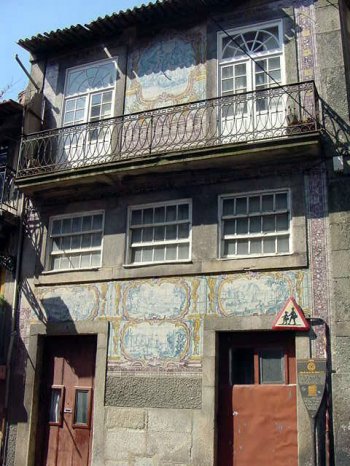
This beautiful house is placed on a street known for its characteristic architectonic harmony. Here are represented the XVII, XVIII and XIX centuries, with a nice show of the Porto’s architectonic atmosphere. On this building, the façade covered with azulejos panels from the second half of the XVII century stands out. This azulejos (tiles), made in Lisbon, describe episodes of the Holy Mary’s life.
Edifício onde viveu Manuel Vieira Natividade
- heritage
Praça 25 de Abril, 20-22
2460-018, Alcobaça
Building where stands out the decorative stonework, masonry tile and padded double frame mantel. The main door is articulated with window of verga in arch and apron with ornate relief, ripping between pilasters with bases and capitals in stonework, topped off, above the cornice, by stone urns. The first floor is intended for housing and to the Museum and the ground floor to trade.
Igreja de São Pedro
- heritage
Largo de São Pedro
2560-633, Torres Vedras
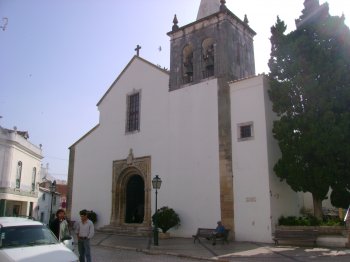
This temple was reconstructed on the 16th century presenting a on the main façade a doorway with manueline and renaissance decoration topped by a royal escutcheon. The inside has three naves and the central nave roof is with a wooden tunnel vault and the lateral ones are crossed. It stands out the coverage from the 16th, 17th, 18th centuries glazed tiles and a fifteen hundreds grave.
Igreja e Convento da Graça
- heritage
Praça 25 de Abril
2560-286, Torres Vedras
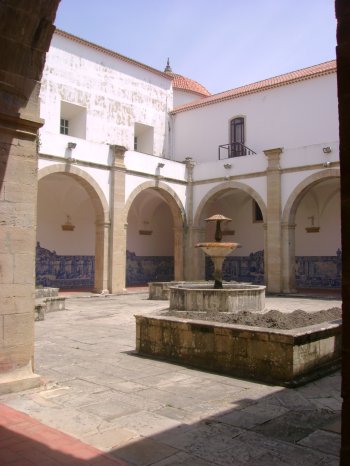
This church is preceded by a porch with an eighteen hundreds doorway and walls covered in glazed tiles from the 18th century. The inside is made of one only nave and where it stands out the altarpiece on the main chapel from the beginning of the 17th century, the lateral altars carving, the statuary, the crucifix in ivory, the glazed tiles and the four fifteen hundreds paintings.
Igreja de Santiago
- heritage
Rua dos Cavaleiros da Ordem de Santiago
2950, Palmela
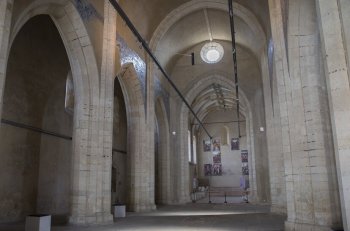
The national monument classification includes the tomb of Sir Jorge de Lencastre, son of King João II, in Arrábida marble. Of this temple, the Gothic portal on the main facade stands out, with three archivolts and topped by a large oculus. Church with three naves, crowned with battlements. Special reference to the 17th and 18th century tiles and the high choir.
Igreja de Santiago de Antas
- heritage
Rua Frei Bartolomeu dos Mártires, 1695
4760-037, Igreja
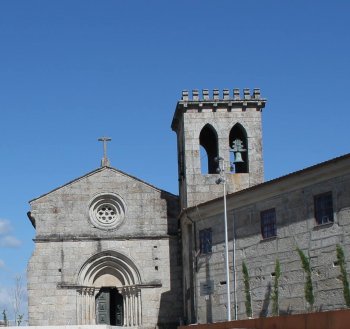
This Romanic church was built on the 13th century and here one stands out the paintings and the main chapel carving and the ceiling with coffers. The doorway is topped by a rose window and it possesses four archivolts settled in four columns with decorated capitals. The nave has rather big dimensions and finishes in triumphal arch with two half columns and capitals with zoomorphic decoration.