Explore the best places
Results for PROBLEMGO.com how to get out of jail without bail money in Portugal


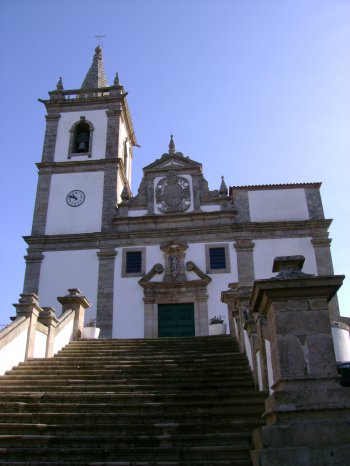
Igreja Matriz de Santa Bárbara e São Nicolau
- heritage
Rua de Santa Bárbara
5445-167, Carrezedo de Montenegro
The present church results from the remodelling work performed on the 18th century. The façade is divided in three floors. The inside has one only nave and on the choir columns are made out of wood. In one of the divisions on the tower there are two granite images: one angel and the Virgin.
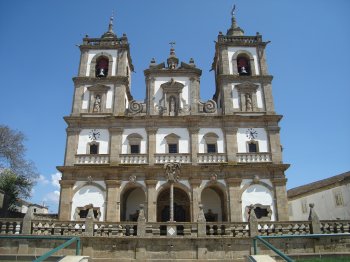
Igreja Matriz de São Miguel de Poiares
- heritage
Caminho dos Lameiros
3350-211, Vila Nova de Poiares
The church is located on a plain area, next to the cemetery, in a relatively isolated place, with the large churchyard standing out. It is a regular longitudinal composite plan, in the Baroque style, dating from the 18th century (more precisely from 1742), still used today in Catholic worship.
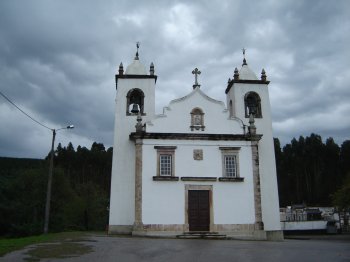
Igreja Matriz de Tancos
- heritage
Rua da Igreja
2260-307, Vila Nova da Barquinha
This church was built on the 16th century, probably on the same location were previously already existed another temple. It stands out several paintings, such as the ones on the sacristy and on the naves, proceeding from the main altarpiece in the Holly Church, the sixteen hundreds glazed tiles and carving altarpieces.
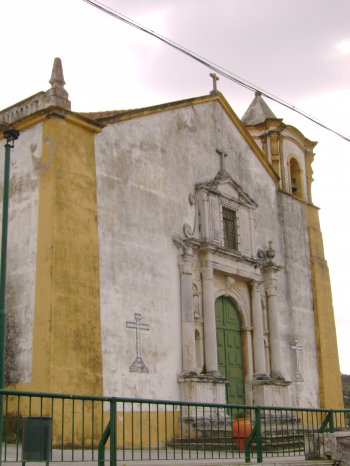
Igreja Matriz de Lavandeira
- heritage
Largo de Santa Eufémia
5140-144, Carrazeda de Ansiães
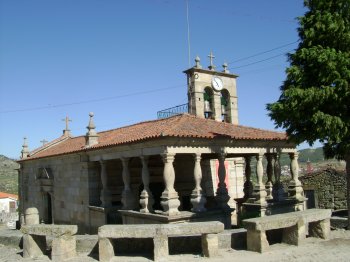
Late Renaissance temple from the transition period to the Baroque. It has a porch supported on Tuscan columns, all made of granite. The 18th century altarpiece of the Divine Savior, the traces of frescoes on the walls, the roof of the nave and chancel and the ceiling of the sacristy in painted coffers stand out.
Edifício da Janela Manuelina
- heritage
Rua Francisco de Passos, 41
6300-558, Guarda
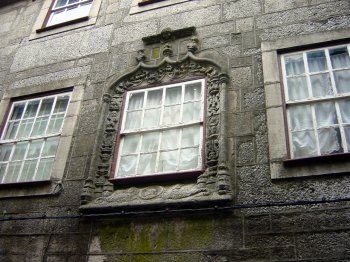
16th-century building that stands out for its Manueline window adorned with flowers of lis, mermaids, Angels and fish. It is believed to have worked as Bishop's Palace. Bishop d. Álvaro Keys will have been murdered by a servant, in this building. Features of manueline and Renaissance architecture.
Igreja de São Pedro / Igreja Paroquial da Ericeira
- heritage
Largo de São Pedro
2655-363, Ericeira
This church has one only nave with coffers painted on the roof. The walls are covered with blue and yellow glazed tiles. The altarpieces stand out, as well as the columns with fluted shafts and an elegant sacrarium. Attention should also be paid to the sacristy roof painted with “rocaille” motifs.
Igreja do Carmo
- heritage
Rua do Carmo
4050-164, Porto
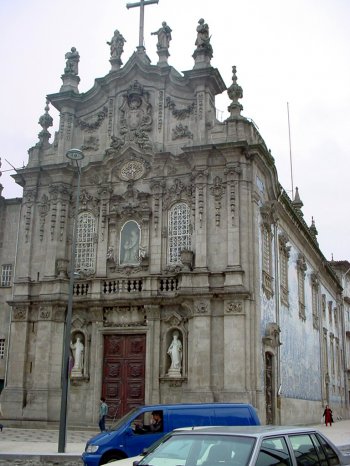
Planned by the architect José de Figueiredo Seixas, this church, built between 1756 and 1768, clearly differs, by its exuberance and majesty, from the neighbour Carmelitas Church. We point out the grand azulejos panel that covers the lateral façade, by the Italian Silvestre Silvestri.
Igreja de São Francisco de Azurara
- heritage
Rua Doutor Américo Silva
4480-166, Azurara
The present temple is the result of the 17th and 18th centuries reconstructions. The main façade is preceded by a porch with three arches. On the interior, in Lation cross little pronounced it stands out the rococo golden carving from the altars and the seating from the 17th century with painted rib stalls.
Igreja de São João Baptista
- heritage
Rua da Igreja
2695-708, São João da Talha
Reconstructed by the end of the 18th century or beginning of the 19th, it still preserves some remains from the fifteen hundreds construction in the pyramid that crowns the bell ringer tower. On the interior it stands out the barrel vault and the main chapel with glazed tiles covers from the 17th century.
Igreja de São João Baptista / Igreja Matriz de Ponte da Barca
- heritage
Rua Trás do Forno
4980-623, Ponte da Barca
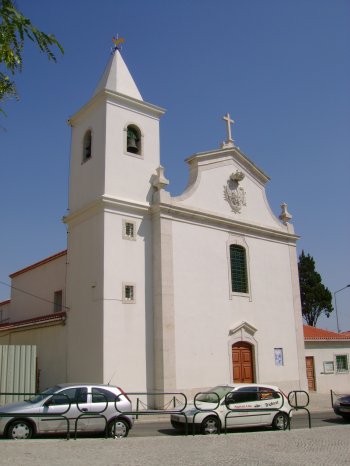
Built between 1717 and 1738, this building's façade is topped by a 17th-century relief of the Baptism of Christ. Inside, there are several side chapels, with a variety of carvings, from the so-called national style of 1727 to the "rocaille" style, and the tile covering, of the "carpet" type, standing out.