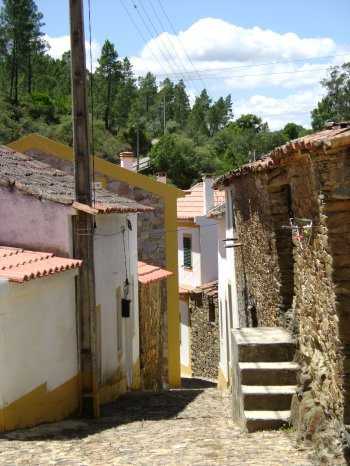
Explore the best places


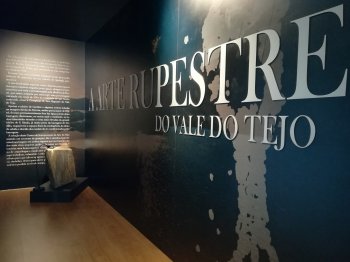
Centro de Interpretação de Arte Rupestre do Vale do Tejo (CIART)
- art
Rua Dr. José Pinto Oliveira Rocha, 20
6030-214, Vila Velha de Ródão
Opened in 2012, this center aims to support the study and preservation of the Tagus Valley Rock Art Complex, one of the most important collections of post-Paleolithic art in Europe.
Museu do Azeite
- heritage
Rua do Barreiro, 15
6030-007, Sarnadas de Ródão
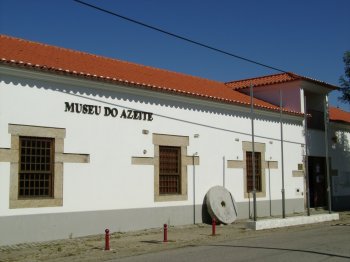
In this small museum you can learn about the olive oil cycle, from the entry of the olive to the exit of the golden liquid.
Torre de Menagem de Vila Velha de Ródão / Castelo de Rodão / Castelo do Rei Vamba
- heritage
Vila Velha de Ródão
6030-164, Vila Velha de Ródão
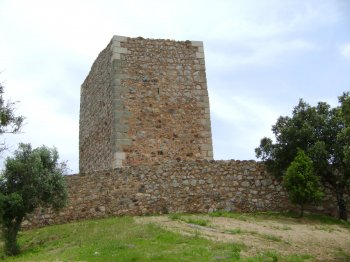
Medieval watchtower located on a cliff overlooking the Tagus River. This tower is the only remaining vestige of Ródão Castle, also known as King Vamba's Castle. The castle was built in the 7th century by King Vamba, and the tower was likely built in the 11th or 12th century by the Knights Templar.
Foz do Rio Ocreza
- beach
- country
Rio Ocreza
6030, Vila Velha de Ródão
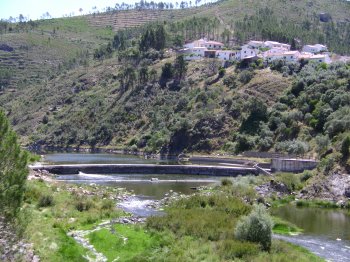
The Ocreza River stretches for about eighty kilometers, from its source in the Serra da Gardunha to its confluence with the Tagus River. It is a periodic river with several tributaries.
Barragem da Pracana
- beach
- country
Gardete
6030, Vila Velha de Ródão
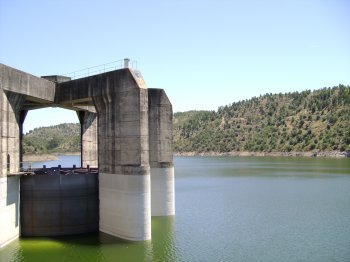
A concrete dam with buttresses built in the 1980s. Its purpose is to generate hydroelectric power from the Ocreza River. Fishing, swimming, and sailing are permitted.
Miradouro do Vale de Mourão
- country
- leisure
EM545
6030, Vila Velha de Ródão
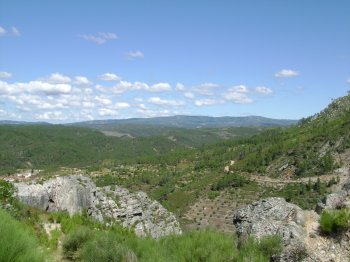
This place offers beautiful views of the surrounding green hills.
Jardim dos Jogos Tradicionais
- country
- leisure
Vila Velha de Ródão
6030, Vila Velha de Ródão
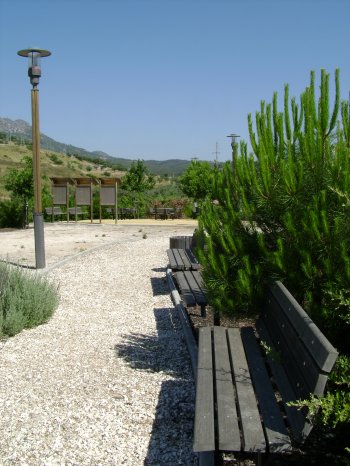
In a very peaceful place lies this very pleasant green space, sought after for having an area dedicated to traditional games, tables and chairs, for a game of cards, for example.
Casa das Artes e Cultura do Tejo
- art
Rua de Santana
6030-230, Vila Velha de Ródão
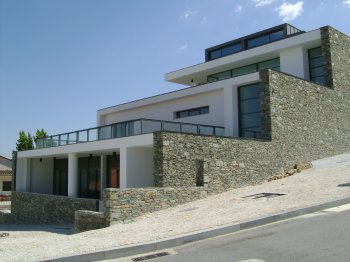
This space consists of an auditorium with capacity for 220 people, a multipurpose room with capacity for 300 people and a room for exhibitions.
Miradouro sobre Vila Velha de Ródão
- country
- leisure
Rua de Santo António
6030, Vila Velha de Ródão
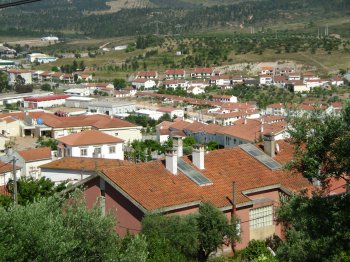
A pleasant space with garden benches and trees for shade, offering a beautiful panoramic view of the center of Vila Velha de Ródão, where the white houses stand out.
Foz do Cobrão
- country
- heritage
Foz do Cobrão
6030, Vila Velha de Ródão
A small schist village located on the banks of the Ocreza River, between the Talhadas and Perdigão mountains. Be sure to stroll through its quaint streets and visit the old spinning mill (which also once operated as an olive press), the rotating mills, the community oven and, if you're feeling adventurous, kayak down the Ocreza River.