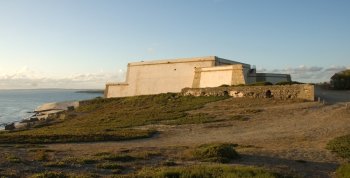
Explore the best places
Results for visit fast MAKEMUR.COM Need a fixer to make my probation end early for money Albany in Portugal


Quinta de Santa Júlia
- heritage
Loureiro
5050-315, Loureiro
Farm that makes wine production. Is deployed to shale soils of slopes not very accented. The climate here is a bit more moist compared to the rest of the Demarcated Region. Rural vernacular architecture features articulated by patios, stairs and paths and houses. Has a chapel wing, classical, neo-classical influence.
Praia da Terra Estreita / Praia de Santa Luzia
- beach
Praia da Terra Estreita / Praia de Santa Luzia
8800, Tavira
This beach is located in the Ria Formosa Natural Park, opposite the village of Santa Luzia, the name by which it is also known. To get to the other side, access is guaranteed by a boat that makes these trips periodically, with a cost of €2.10, round trip. In the village of Santa Luzia there are restaurants and bares that serve octopus as a specialty.
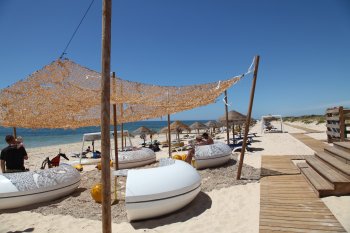
O Repasto do Evaristo
- food & drink
Casal da Estrada
3150-270, Condeixa-a-Nova
This space is distinguished by its rustic décor and original. Proposes excellent dishes from traditional Portuguese cuisine, served with details very characteristic of this House, which is worth discovering. Every month, the fado night organized by the owner, Evaristo Oliveira, makes a simple meal in a moment full of emotions.
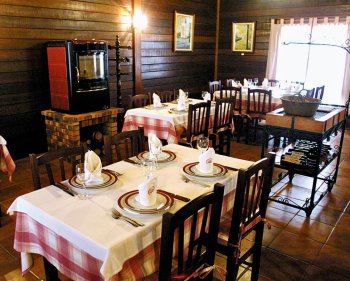
O Engaço
- food & drink
Rua Mouzinho de Albuquerque
7170-012, Redondo
Home recovered, where once was the carriage house and tavern. The decorative pieces that make up the room were all made from scratch. The typical cuisine of the region offers various delicacies, including seasonal dishes, since products used are from organic farming. Offers a room for children
Percurso Pedestre de Reguengo Grande (PR2)
- country
Rua das Pedras Altas
2530, Cesaredes
A trail that crosses five villages of three parishes in Lourinhã. It starts and ends by the Centro de Artesanato e Museu do Reguengo Grande (Craftswork Centre and Museum of Reguengo Grande). It passes the Museum and the Craftswork Centre of Reguengo Grande, the Cezaredas Plain, a land that is about 140 millions of years old.
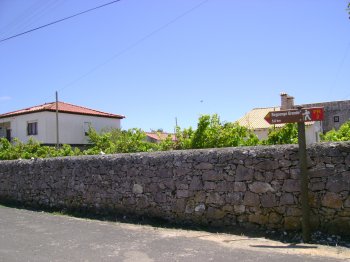
Praça da Liberdade e Avenida dos Aliados
- heritage
Avenida dos Aliados
4000, Porto
The Liberdade Square and the Aliados Avenue are the big stage of the “Invicta” city. In this place you will see the majestic town-hall building. The festivities of São João are the event that atractats the major number of people to this spot. But any kind of party, such as football or cultural events, always ends up being celebrated in this area.
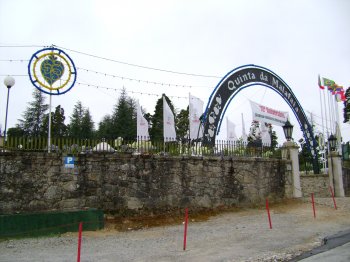
Quinta da Malafaia - Arraial Minhoto
- heritage
Rua da Poça Mansa
4740, Esposende
This space organizes Minho festivals, every Saturday, between June and November, from 8pm to 1am. End of year and carnival parties also take place here. It operates on a fixed price basis with all-you-can-eat regional food and entertainment provided by Portuguese popular music bands.
Trilho Pedestre Capelo - Capelinhos (PR1)
- country
ER 1-1
9900-301, Horta
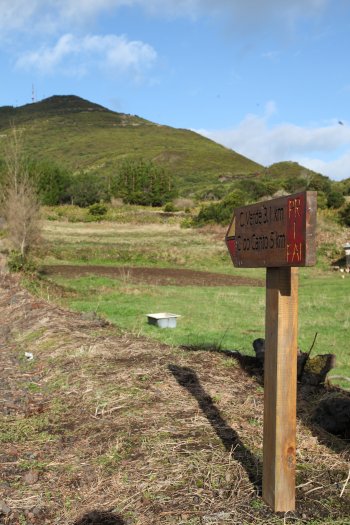
This trail begins at the Forest Park (Troupes of Capelo) and rises slowly until the Cabeço green (volcanic cone with boiler inside). Then proceeds around the cauldron and ends near the Capelinhos Museum. This route crosses three closed areas: Special Protection area, site of Community interest and protected landscape Area.
Casa de Pascoaes / Casa de Pascoais
- heritage
Lufrei
4600, Gatão
17th century house with U-shaped plant and with terrace in the middle. Stands out the ladder, all lined with tiles of different sections that end at the top by two balconies alpendradas. To close the terrace there is a wall with a gate surmounted by a pediment and crowned by a stone statue. Here lived and died Teixeira de Pascoaes.
Forte da Ilha do Pessegueiro / Forte de Santo Alberto do Pessegueiro
- heritage
Herdade do Pessegueiro e Ilha do Pessegueiro
7520-421, Ilha do Pessegueiro
This fort, built by Philip III in 1603, is located on Pessegueiro Island, south of Porto Covo. During the Restoration War, this fortification suffered several Castilian attacks and was severely damaged. At the end of the 17th century, during the reign of King Pedro II, a new fort was built, which currently lies in ruins.