Explore the best places
Results for enter now fast MAKEMUR.COM pay a judge to shorten my time in prison in Portugal


Muralhas de Serpa
- heritage
Rua das Portas de Beja
7830-431, Serpa
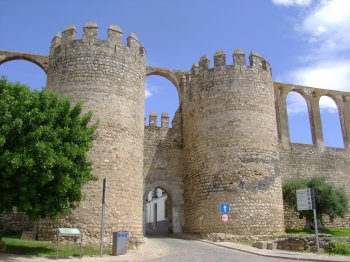
This military fortification existed since Roman times, but there is no record of its destruction or reconstruction. The current fortification of Serpa was built by King Dinis and consisted of a powerful castle and a double-towered wall. Significant sections of the wall remain, notably the one topped by a long aqueduct arcade, which extends to a monumental Moorish waterwheel. During the War of the Spanish Succession, the fortress suffered extensive damage. Of particular note are the Moura and Beja Gates and the imposing manor house of the Marquises of Ficalho.
Palácio e Quinta do Correio-Mor
- heritage
EN8
2670, Loures
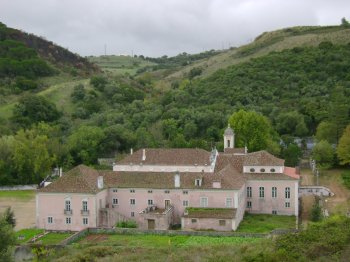
The name comes from the fact that the farm belonged to Luís Gomes Mata, "Correio-Mor" (chief of the post delivery) at the time of Filipe II. Built in the 18th century, the palace might have been designed by the Italian António Canevari, one of the architects of the Convent of Mafra. It is preceded by an emblazoned door leading to the patio. Inside, the tiles and stucco ceilings with paintings by José da Costa Negreiros stand out. In the gardens, the waterfalls and tiles with mythological scenes stand out.
Santuário de Nossa Senhora da Piedade
- heritage
Cabo do Soito
3200, Lousã
Sanctuary composed of four chapels: Chapel of Saint John (15th century), Chapel of Our Lord of Agony (19th century), Chapel of Our Lady of Mercy (probably 17th century), and Chapel of Our Lord of the Afflicted. These chapels were built one at a time, between the 15th and 19th centuries. Their interiors preserve sculptures, such as the painted limestone one of Saint John the Evangelist and the one of Our Lady of Mercy, the latter of which is often brought out on procession days.

Vallecula
- food & drink
Praça Doutor José de Castro, 1
6300-235, Guarda
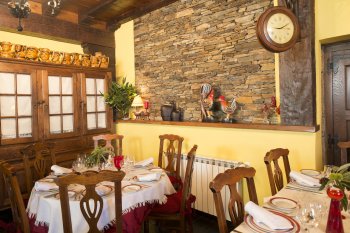
Restaurant located in a restored house from the 17th century, thanks to the dedication of its owner, Luis Castro, who for eight years, recovered this building of 1642, which retrieves the Roman designation of the locality. Decorating changes three times a year, but keeping the same symbol-roosters. The cuisine is based on traditional recipes that include not only the flavors of traditional Portuguese cuisine, as well as regional produce. The tones and flavors of gastronomy joins a painstaking care and the result is worthy of repetition.
Café dos Caçadores
- food & drink
Rua Primeiro de Maio, 21
8375-129, São Bartolomeu de Messines
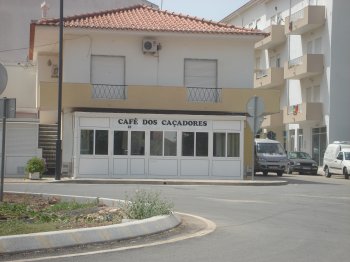
Restaurant Café of the hunters, in São Bartolomeu de Messines, is a small house and very familiar, which boasts immodestly titled the King of snack. In fact, they, snacks, and, after looking at the menu, you can always ask for "fried carminhos". Cockles, barnacles, eels, cuttlefish and calamari are on offer in this House, with snacks, served in pires to cost € 5. The House, obviously, also offers hunting in a timely manner. As can be read on the façade: "Bring the plafon we have material"
Dois Irmãos
- food & drink
Praça Ferreira de Almeida, 15
8000-156, Faro
Since its founding in 1925, this museum of Algarve cuisine has always been a reference in this town for its delicious food and excellent wine. The fish and seafood, succulent meats and cooked with passion and mastery of chef Anthony Dias are the delight of diners from all over the country and globe who visit the capital of the Algarve. The family Brasuna, restaurant owner, makes sure your visit is a good time to remember in this space typically root Portuguese Algarve.
Casa-Museu Medeiros e Almeida
- heritage
Rua Rosa Araújo, 41
1250-194, Lisboa
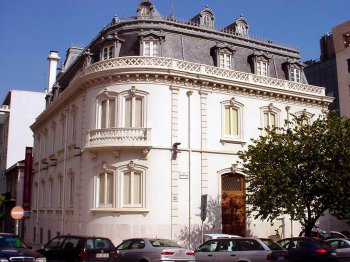
António de Medeiros e Almeida turned his house into a house-museum in the 1970’s, creating, in 1973, the foundation with his name and donating all his goods. The house includes two museum areas, one inside and the other in the garden area. Besides the European collections of painting, furniture, tapestry, sacred art, glass and jewellery with ornaments and loose pieces from the XVII century until now, there are three important collections that with their own rooms: the watches and clock collection with about 225 pieces, the china collection with a chronologic course through the various dynasties and, finally, a collection …
Gravuras Rupestres do Penedo de Caparinho
- heritage
Vilar de Perdizes
5470-461, Montalegre
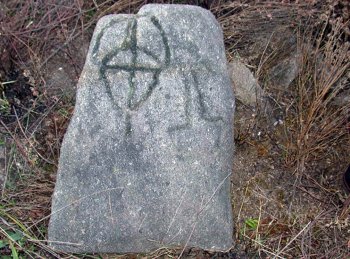
Within the designated space for Caparinho field, in a shed attached to the river Assureira, are some rock engravings, of which stands out the Rock of Caparinho, now renamed Penedo of matrimony. Presents written two anthropomorphs, one male and the other female, with their genitals expressed, indicating rituals associated with human fertility. The figures present the show of hands, with oversized hands and are apparently kneeling. In the area surrounding the rock there are other engraved rocks, one corresponds to a granitic outcrop, where were made several dents from different dimensions, sometimes aligned, other connected by small grooves perforation. The …
Castro de Lanhoso
- heritage
Rua João Carvalho, 155
4830-513, Póvoa de Lanhoso
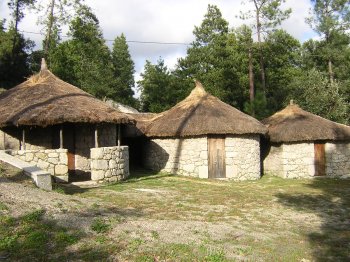
A settlement from the Iron Age (1st millennium BC - 4th century AD), this archaeological site is of great interest and has been the subject of successive interventions. It consists of the ruins of fortified settlements located at the northern foot of the hill on which Lanhoso Castle stands, now reconstructed and well preserved. Among the finds discovered, the set of 3 gold torques (Archaic Golden Jewels – distinctive objects of military leaders) worked with filigree applications stands out, anticipating the local art of gold working by more than 3,000 years. The most significant find was the Celtic Helmet, a …
O Bairro Alto nos Caminhos do Barroco
- heritage
Bairro Alto
1200, Lisboa
Organized by the Centro Nacional de Cultura, this walk takes you to know the Portuguese Baroque, characterized both for the sobriety of the architectonical space as for the exuberance of its decoration. The golden chromium plated woodcarving, the glazed tiles, the decorative paintings, the stucco, the furniture and, generally, the plastic and decorative arts, combine to create the ostentation of the Baroque. The references of this tour are notable exemplars of the Portuguese art (civil and religious architecture), through which you can be integrated in the spirit of a time that marked the XVII and XVIII centuries.