Explore the best places


Centro Histórico de Marvão
- heritage
Marvão
7330, Marvão
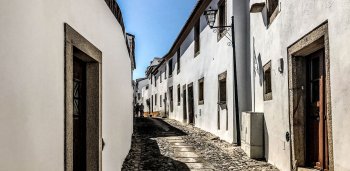
Located in the Serra de São Mamede Natural Park, the medieval-style village encompasses an urban agglomeration with around 150 houses, most dating from the 14th to the 16th century, which line the long, narrow streets.
Azenhas do Guadiana
- heritage
Mértola
7750, Mértola
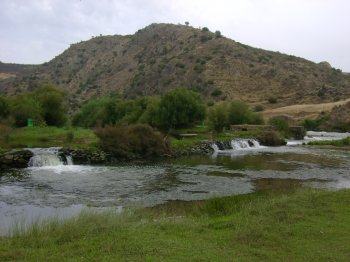
In the past, watermills used the Guadiana River to transform grain into flour. Today, watermills are places of leisure.
Mina de São Domingos
- heritage
Corte do Pinto
7750-102, Corte do Pinto
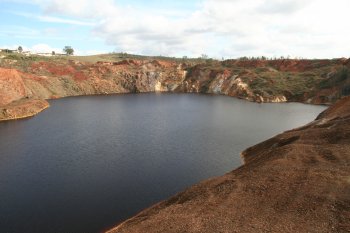
A mining complex established in the 19th century to exploit a copper-bearing pyrite mine whose deposit had been exploited in Roman and pre-Roman times. The main elements extracted during modern mining, between 1854 and 1966, were copper and sulfur. After the mine's closure, the equipment was dismantled and sold, leaving the landscape today marked by mining activity and acid drainage.
Museu de Mértola - Basílica Paleocristã
- heritage
Largo do Rossio do Carmo
7750-326, Mértola
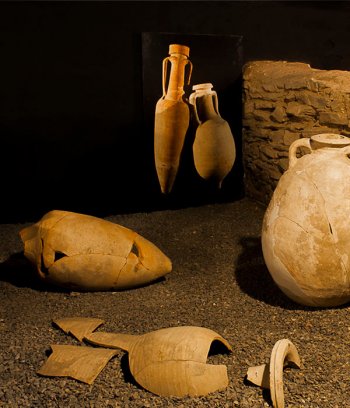
This funerary basilica was located next to the Roman road connecting Mértola to Beja. This important monument was partially excavated in the late 19th century, and several funerary inscriptions were recovered from it, now housed in the National Archaeological Museum in Lisbon. Currently, it houses a museum where the foundations and floors of the former church are preserved. This museum contains inscribed stelae, which constitute the most important collection of Early Christian tombstones found in Portugal.
Mértola
- country
- heritage
Mértola
7750, Mértola
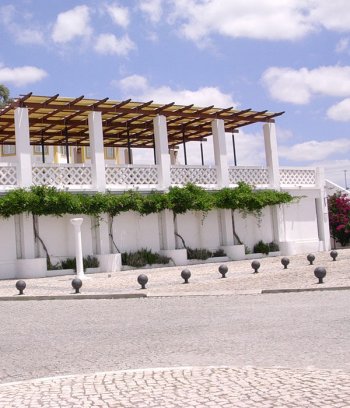
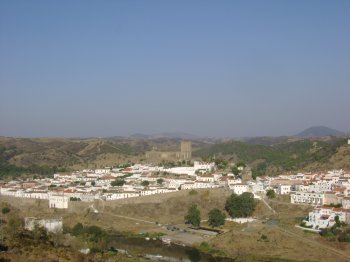
Situated on a promontory overlooking the right bank of the Guadiana River and the left bank of the Oeiras River, lies the urban agglomeration of Mértola. Its privileged location has allowed it great military and commercial importance. This picturesque village, with traditional houses and a significant built heritage, has earned it the status of a "Museum Village." Intense archaeological activity has uncovered this vast heritage. A stroll through Mértola reveals the Castle and the Parish Church, both classified as National Monuments.
Canais do Rio Guadiana
- heritage
Mértola
7750-310, Mértola
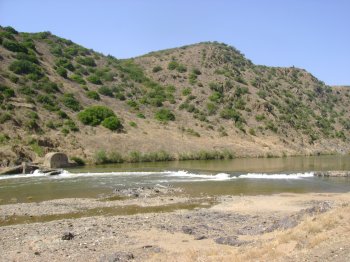
The canals on the Guadiana River were used to capture fish. The last traps of this type are in the municipality of Mértola, which have been discontinued, diverting fish to easier-to-catch locations.
Torre do Relógio de Mértola
- heritage
Rua Dom Sancho II, 15
7750-360, Mértola
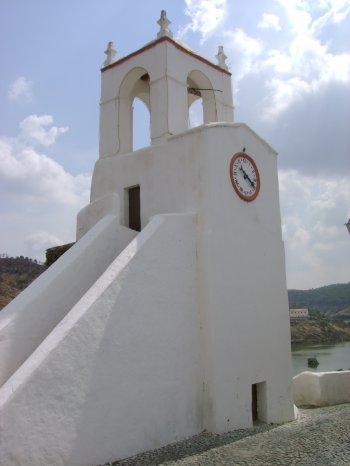
The Clock Tower was likely built in the late 16th or early 17th century, as part of the reorganization of the Praça do Município urban area. This building was erected near a group of buildings representing political, administrative, judicial, and economic power. Reusing an old city wall tower, it began to mark the boundary of Praça do Município and became one of Mértola's emblematic elements. In 1896, the original clock was replaced by a more recent one that continues to keep time in Vila Velha to this day.
Praia Fluvial da Tapada Grande
- beach
Praia da Tapada Grande
7750-148, Corte do Pinto
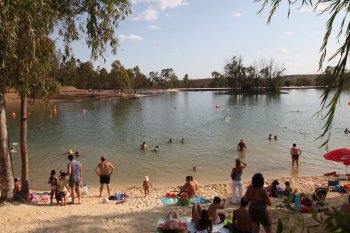
This beach is located next to the Mina de S. Domingos, on the Tapada Grande Dam reservoir, part of the Guadiana Natural Park. It's a popular tourist attraction, especially in the summer months, as it offers a variety of amenities, including a river beach and a range of amenities that allow for pleasant leisure activities and a respite from the high temperatures. The beach bar has a terrace and serves a variety of snacks.
Castelo de Mértola
- heritage
Largo da Igreja
7750-338, Mértola
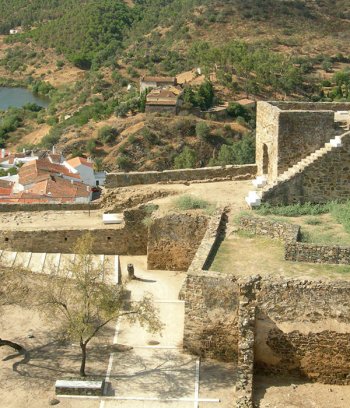
A castle of Romanesque and Gothic architecture, with quadrangular towers. The keep stands on the steepest slope. Of the medieval gates, only the Misericórdia Gate, overlooking the Guadiana River, remains. The old citadel, as well as important sections of the wall that enclosed the town, remain. Archaeological work in the castle's citadel has uncovered a Moorish quarter from the 12th and 13th centuries and several Roman structures from the 4th century. The Arab ceramics found are on display in the Mértola museum.
Museu de Mértola - Casa Romana
- heritage
Praça Luís de Camões
7750-329, Mértola
The Roman House was the first museum section of the Mértola Museum to open in 1989. It is located in the basement of the City Hall building. During renovation work, important archaeological remains corresponding to the foundations of a Roman house (today it serves as the main building) emerged. In addition to the walls of the old building, where part of the house's impluvium stands out, period architectural elements, funerary epigraphy, ceramics, and metalwork are on display. Each section has a permanent exhibition related to its theme.