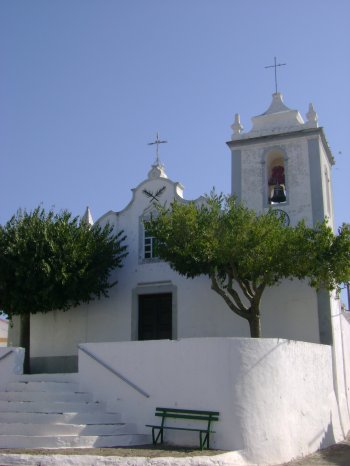
Explore the best places


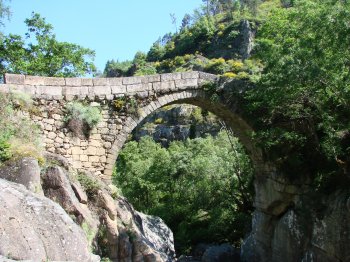
Ponte da Misarela
- heritage
Sidrós
5470-127, Ferral
A medieval bridge spanning the Rabagão River, connecting the parishes of Ferral and Ruivães. Locals call it "Hell's Bridge" or "Devil's Bridge" due to its distinctive appearance, due to its steep terrain. It is believed that it served as a bridge for General Soult's troops on May 17, 1809, to flee from the pursuit of Wellesley's Anglo-Portuguese troops and flee the country. It is a solid granite structure that rises voluptuously about fifteen meters above a narrow gorge of the Rabagão River.
Ponte de Montalegre
- heritage
Rua das Colmeias
5470-275, Montalegre
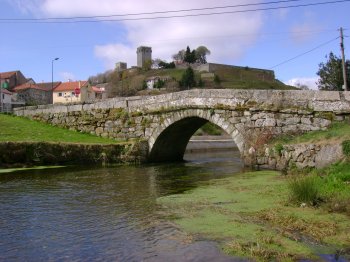
A medieval granite bridge over the Cávado River, with only a round arch supporting a significantly altered deck, where the original, slightly pronounced trestle can still be seen, and a remodeling in the modern period, probably in the 17th century, can be seen. The walls are poorly maintained, and the current flooring was recently installed. The intrados features some ashlars with inscriptions, which, along with the toponymy, point to a medieval chronology.
Parque do Rio Cávado
- country
- leisure
Montalegre
5470, Montalegre
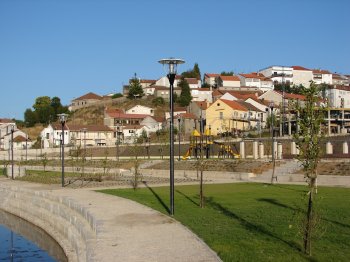
The restoration of the banks of the Cávado River has been carried out in sections, resulting in modern and very pleasant leisure areas. On an upper platform, there is the central square, a children's playground, a space for extreme sports (such as climbing, skateboarding, and rollerblading), a multisport facility, a multipurpose square, a stage for performances, and a bar. The Riverside Strip features a water mirror, prepared with a removable weir along the mill race wall and a granite embankment.
Igreja Românica de São Vicente da Chã
- heritage
Chã
5470-071, Montalegre
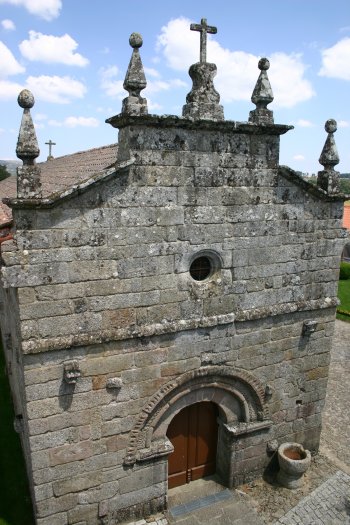
A Romanesque-style temple of high heritage value, it was built between the 11th and 13th centuries and is located in the oldest part of the village of São Vicente, in the parish of Chã. The church consists of two rectangular naves, interconnected by two round arches and a wooden roof. In 1910, it was included in the first major Portuguese decree classifying ancient buildings as "national monuments."
Castelo de Montalegre
- heritage
Terreiro do Açougue, 5
5470-250, Montalegre
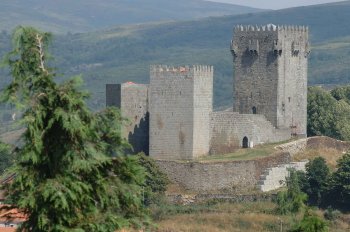
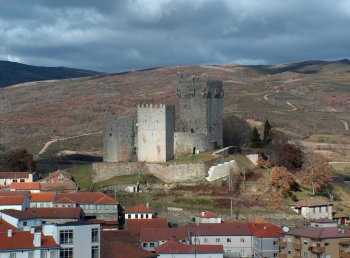
Montalegre Castle represents an important point of border defense and ensured, along with the castles of Piconha and Keys, the defenses of the valleys of the Cávado and Tâmega. In 1273, the year of the first Charter granted the Montalegre by Dom Afonso III, the Castle did not yet exist, but in 1281, at least a part of it already stood in Montalegre, according a letter from d. Dinis d. Isabel. In the letter the King offered twelve castles, among which that of Montalegre. In 1289-1331, during the reign of d. Afonso IV, the castle is rebuilt. In the 19th …
Igreja e Ruínas do Mosteiro de Santa Maria de Pitões das Júnias
- heritage
Pitões das Junias
5470-370, Pitões das Junias
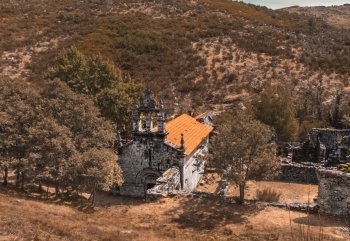
A Cistercian monastery that probably dates back to the 40s of the 12th century, preserving important Romanesque vestiges, particularly in the church's longitudinal nave, and Gothic elements in the chancel. It is located on the right bank of the Campesinho River, where the Mourela plateau meets the Geres mountain range. Inside the church, a Baroque altarpiece can be seen. Between the cloister and the cemetery, the church stands out, with a rectangular plan and a chancel, the latter on a lower and narrower level. On the main façade is a double-windowed bell tower flanked by two pinnacles and topped by …
Cascata de Pitões das Júnias
- beach
- country
Pitões das Júnias
5470, Pitões das Júnias
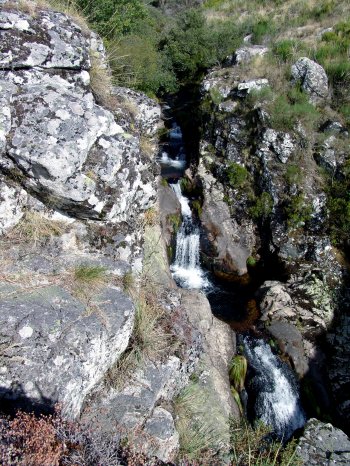
The Pitões das Júnias waterfall, located in the heart of Peneda-Gêres National Park, is fed by the crystal-clear waters that flow past the Santa Maria das Júnias Monastery. It has a first drop of about 30 meters, followed by several more. This entire landscape is surrounded by a beautiful, centuries-old oak forest.
Centro Histórico de Montalegre
- heritage
Montalegre
5470, Montalegre
Stroll through Montalegre's historic center, highlighting the castle, nestled within the town's granite complex, with its Baroque carved church and the Chapel of Mercy. Along the way, you'll find plenty of restaurants where you can sample the famous Mirandesa steak.
Igreja da Misericórdia de Almodôvar
- heritage
Praça da República
7700-023, Almodôvar
Church of the Brotherhood of the Holy House of Mercy, where the architectural structure displays the styles of Mannerist, Baroque, and Neoclassical. The latter style, for example, is denoted in the murals and stucco, using marbled moldings.
Igreja Paroquial de Gomes Aires / Igreja de São Sebastião
- heritage
Largo da Igreja
7700-222, Gomes Aires
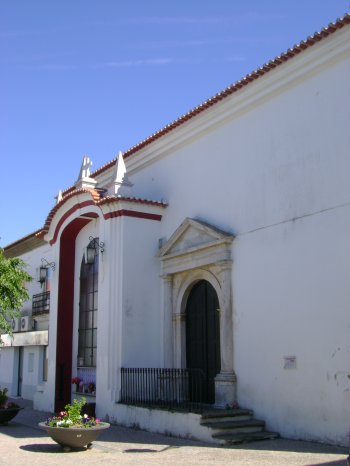
Temple of religious architecture, popular, vernacular and late-Baroque. Has rectangular nave and the altar-piece reflects the continuation of anachronistic Mannerist models. The façade presents polilobada, Gable seen in pós-terramoto of 1755.