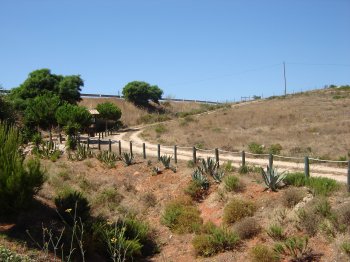
A two-kilometre walking trail, along which you can see a small lagoon, several cliffs that are nesting sites for birds, the surrounding villages and the plain that extends to the sea.
A tour that explores sites that make up the megalithic core of Vila do Bispo. The megalithic phenomenon extends, roughly, between the Neolithic and Chalcolithic periods (5500–3500 BC).
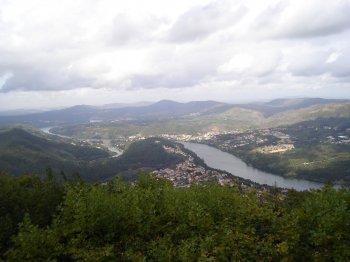
A site with exceptional views of the Arda and Douro rivers. Distributed throughout the sanctuary are several tables and benches for picnics and social gatherings, as well as grassy areas and shaded wooded areas.
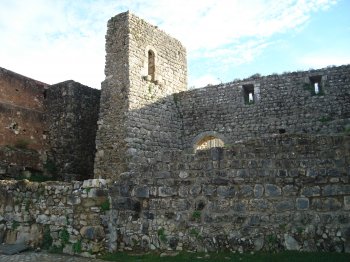
Some remains show the occupation of this site in Luso-Roman times. Remains of the fortress remain today, framed by four corner towers, a Suevo-Visigothic door and a Mozarabic window.
Museum opened in 2007, exhibiting an ethnographic exhibition (exhibition of regional costumes) and another archaeological one, with emphasis on artefacts from Antas do Ramalhal and the archaeological site of Rominha.
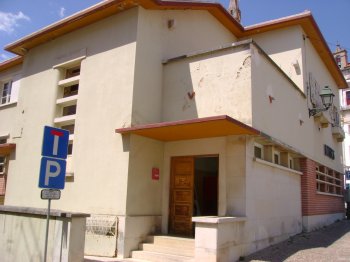
Building constructed in 40 years of the 20th century, on the site of a demolished housing existed in 1939. The post Office of Abrantes were inaugurated in 1943, continuing to work at this location to this day.
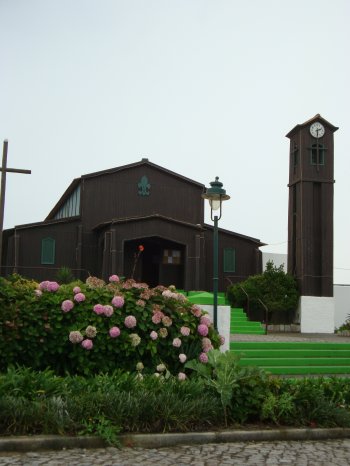
This church was built in wood in 1973, on the site of a small chapel built in masonry, the date of which is unknown, which was demolished to create the current, much larger and more modern church.
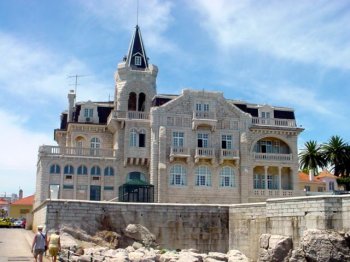
Symbol of the city of Cascais, this manor was built in th site of the fortress of Foz. It is also known as building Seixas from the name of its proprietor, Henrique Seixas, that later donated it.