Explore the best places
Results for Palácio da Pena in Portugal


Hotel Palácio dos Melos
- hotels
Rua Chão Mestre, 4
3500-103, Viseu
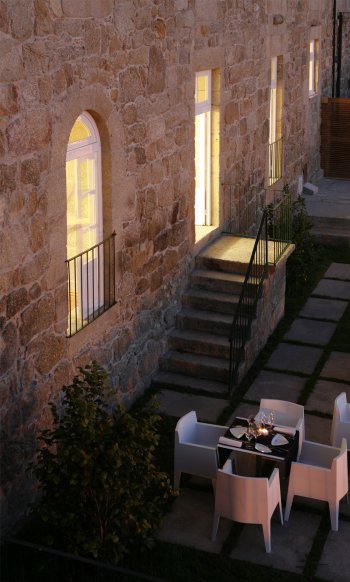
Luxurious hotel, situated in the Centre of the city of Viseu, inserted in one of the seven gates of the wall Steven-the gate of the Sound off. Offers exquisite rooms 27, equipped with whirlpool bathtubs. Respecting the original architectural standards combines the modern and the classic with mastery. On the terraces of the hotel you get memorable views.
Palácio de Rio Frio
- hotels
Herdade de Rio Frio
2955-014, Pinhal Novo
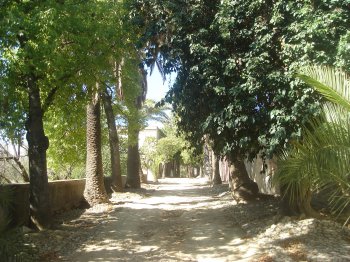
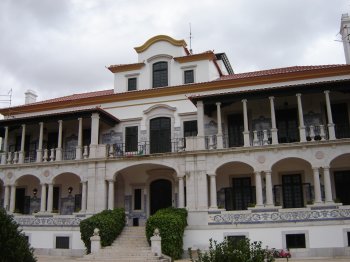
A manor of great architectural beauty, surrounded by a lovely garden and small woods. Inside, there are tiles by Jorge Colaço that picture agricultural activities.
Pestana Palácio do Freixo
- hotels
EN 108
4300-210, Porto
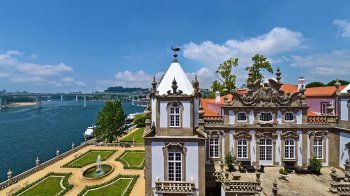
Amazing architectural point of view, the Pousada is the result of the joint between an exquisite 18TH-century palace, designed by the architect Nicolau Nasoni and classified national heritage in 1910, where the reception, restaurant, bar, business center, the main lobby and the lounges and meeting, and an old grinding millwhere are the generous and very comfortable 87 rooms, especially those overlooking the river and the Palace, as well as several meeting rooms and an inviting spa. The pool and the former boarding pier are an invitation he couldn't refuse for a late afternoon reinvigorating. Direct access to the river and …
Pousada Palácio de Queluz
- hotels
Largo do Palácio Nacional de Queluz
2745-191, Queluz
This space that once belonged to the Royal Guard of the Court, being protected by the Queluz National Palace, houses, nowadays, a refined Inn with 26 rooms and 2 suites carefully decorated. It has a privileged location, just five kilometres from Lisbon, Sintra and 14 to 20 of Cascais. The old kitchen restaurant, where you can taste delicious dishes.
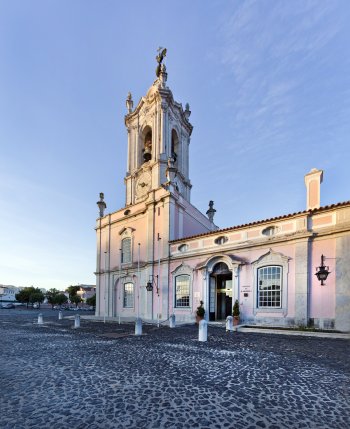
Jardim do Palácio da Brejoeira
- country
- leisure
EN101
4950, Monção
This garden is punctuated by beds of camellias and ornamental shrubs, and the landscaped terrace is flanked by walls. Along the farm's structures, there is a trellis-covered path supported by granite columns and flanked by stone paths. Being a private property, intended for the production of one of the region's most renowned Alvarinho wines, visits to the gardens are only possible with the owners' consent. However, the view from outside, along the farm's entrance gate, is majestic.
Jardim do Palácio da Justiça
- country
- leisure
Rua Judite Neves Vasco
2460, Alcobaça
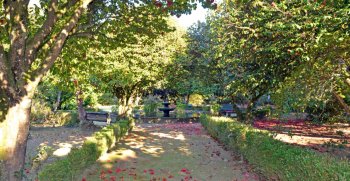
A garden with tall trees, a small square and several tables and benches. It is located near the Palace of Justice, in the centre of the town of Alcobaça.
Jardim do Palácio de Estoi
- country
- leisure
Rua do Jardim
8005, Estoi
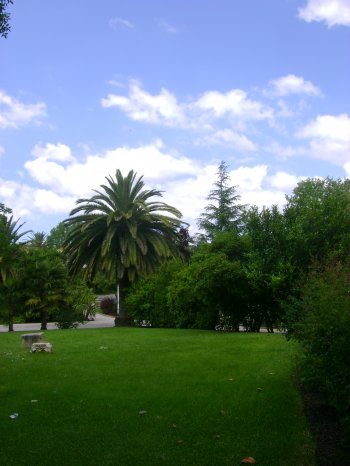
Although the works began in 1840, it was only more than half a century later that the Estoi Palace was completed. The garden of this last example of romantic architecture is characterized by the palm trees and orange trees that populate the two access paths to the garden space. Also, noteworthy is the lake and a gallery of busts.