Explore the best places
Results for PROBLEMGO.COM d Fréiloossung vu mengem Jong kafen in Portugal


Fortaleza do Beliche
- heritage
EN268
8650-355, Vila do Bispo
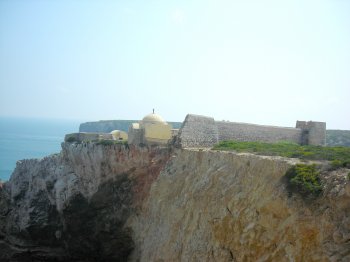
The original building was virtually destroyed by the corsair Francis Drake. Rebuilt in the 17th century, it was again damaged by the 1755 earthquake. This fortress consists of the ruins of several sections of 17th-century walls. Inside, there are some restored military structures that retain their original architectural design, as well as the Chapel of Santa Catarina, built by Infante D. Henrique.
Quinta do Marquês / Paço Real de Belas
- heritage
Rossio de Belas
2605-020, Belas
This 14th century construction was enlarged afterwards. It possesses a closed yard with Gothic arcade. On the yard corner there is a Renaissance pavilion with a small dome. The classification a Building of Public Interest includes the Palace, a vaulted chapel, two decorative fountains, an obelisk raised for the King D. João VI and Senhor da Serra chapel existing on the garden.
Hotel São João de Deus
- hotels
Largo São João de Deus, 1
7350-200, Elvas
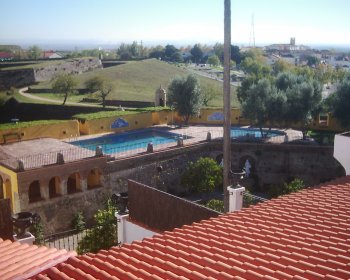
Hotel located in the historic centre of Elvas. The hotel building is full of peculiarities; dating back to the 17th century, was built by King d. João IV and housed the army administration in Elvas. He was also sick bay and its construction kept the structure of the Convent and the military Hospital who worked. The interiors of the hotel are of great wealth and the views are precious.
A Conquista de Silves
- heritage
Largo Mártires da Pátria
8300, Silves
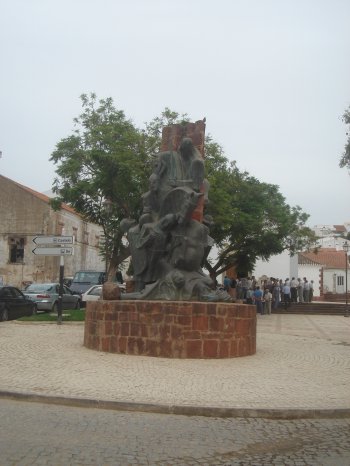
Statue that celebrates the conquest of Silves. During D.Sancho I's reign, D. Mendo, his lieutenant, planned a surprise attack against the Moors. The attack was so fierce that the Moors abandoned the defensive walls and took refuge in the centre of the fortified town. After a period of fighting and slaughter the Moors capitulated on the 3rd September 1198 and the Christians emerged victorious.
Igreja de São Francisco
- heritage
Largo de São Francisco
7830-386, Serpa
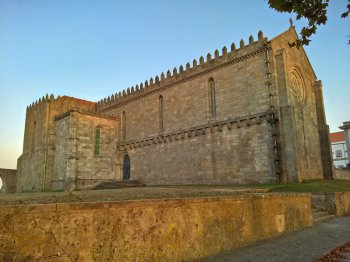
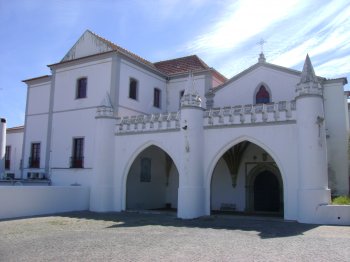
A single-nave church preceded by a large galilee with a Mudejar-style finish, built in 1463 by the Duke of Beja (Infante D. Ferdinand) for the Xabregano friars. It was rebuilt during the reign of King Manuel. Notable are the recessed, coffered vaults of the galilee, chancel, cloister, and chapter house. Also note the unusual layout of the small cloister and the 17th-century tiles.
Pelourinho de Santa Marta de Penaguião
- heritage
Avenida Primeiro de Maio, 52
5030-477, Santa Marta de Penaguião
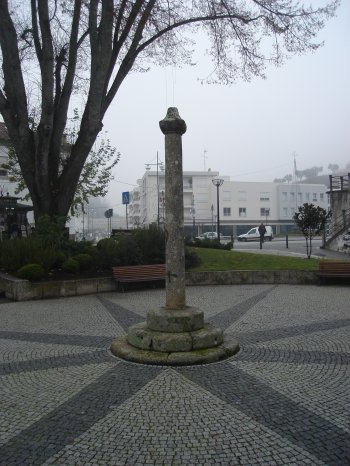
This pillory, located right in the center of the town, was probably erected shortly after the granting of the second charter, 1519, in the reign of D. Manuel I. Of great simplicity, but worth its historical weight, it has a smooth cylindrical shaft, finished in the shape of a pine trunk, which integrates it into the typology of pine cone pillory from the 16th century.
Solar dos Zagallos
- heritage
Largo António Piano Júnior
2815-716, Almada
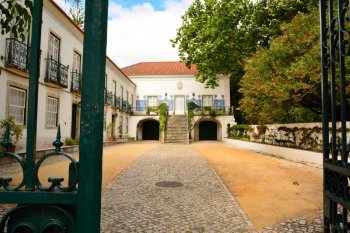
First floor palatial house with entrance patio, access staircase to the two noble halls (built to receive King D. João VI). In the beautiful garden, the avenue and the tiled benches stand out. It currently has a Traditional Arts Center that promotes various cultural initiatives, namely exhibitions, concerts, recitals and initiatives for the little ones.
A Leitaria Gourmet
- food & drink
Alameda dos Oceanos, Lote 4.43.01
1990-211, Lisboa
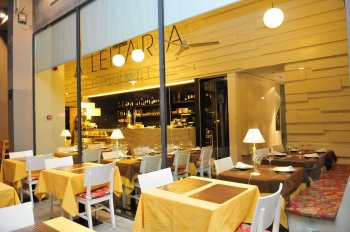
"The dairy Gourmet, Cuisine d ' Grandmother" is a modern and cosy space where you can enjoy a meal with the quality of the best Alentejo traditions. Keeping the base of the original space "the dairy-Gourmet", in March 2010 the dairy comes up with a new management, giving it a more traditional, rustic image to the restaurant, in harmony with the Alentejo cuisine offered.
Os Lusíadas
- food & drink
Rua Tomás Ribeiro, 257
4450-297, Matosinhos
O restaurante Os Lusíadas está localizado na zona ribeirinha de Matosinhos, com uma decoração inspirada no livro d´Os Lusíadas. Apresenta um ambiente agradável e uma ementa de pratos tradicionais portugueses, com destaque para os mariscos e para o peixe sempre fresco.
Convento e Igreja de Santa Clara
- heritage
Largo D. Afonso Sanches
4480-754, Vila do Conde
A Igreja de Santa Clara, datada do século XIV, apresenta uma estrutura gótica, com alguns acréscimos renascentistas. Na Capela dos Fundadores, datada do século XVI, encontram-se os túmulos: o Monumento Nacional do Infante D. Afonso Sanches e sua mulher D. Teresa Martins, em pedra de anca, considerados das mais belas obras de escultura tumular em estilo manuelino. O Convento de Santa Clara é um imóvel do século XVIII e está inserido na zona especial de proteção da Igreja de Santa Clara de Vila do Conde, classificada como Monumento Nacional.