Explore the best places
Results for go online quick MAKEMUR.com Buying a get out of jail now pay later plan in Portugal


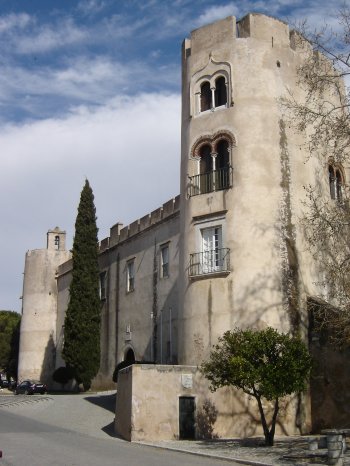
Castelo de Alvito
- heritage
Largo do Castelo
7920-999, Alvito
It is a fortified manor house from the 15th century, rare in Portugal. The dependencies are organized around a central courtyard, with characteristics of military and residential architecture. The keep and some wall sections stand out. At the base, there is a cushioned ashlar from the Roman period. Above the portal of the castle-citadel are the coat of arms of the marquises of Alvito.
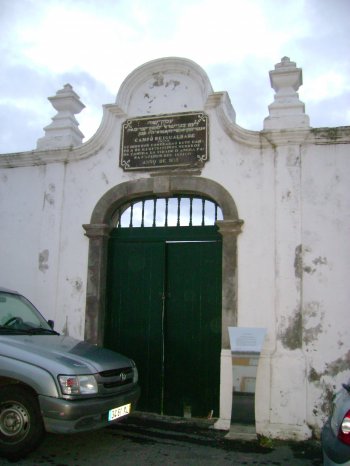
Cemitério dos Hebreus
- heritage
Caminho Novo
9700, Angra do Heroísmo
Also known as the field of gender equality, this place stands out for being one of the few traces of Hebrew island. In the first half of the 19th century, several Hebrew families emigrated from Morocco to third, existing at the time several synagogues. In 1832 it was acquired by the Hebrews of the island to here them burying their dead.
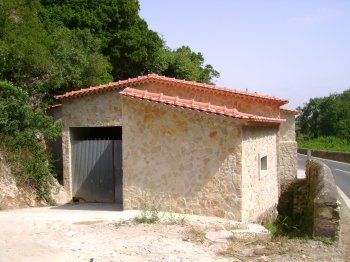
Azenha da Columbeira
- heritage
EN8-4
2540, Columbeira
Very old watermill, but still working. This is a small house, built on a levada that take water directly to the mill. The levada has a gap of two or three meters, leaving the water through a nozzle-tube that carries water to the Caster. When the water comes out the mouthpiece, falls on the feathers of the caster, causing it to rotate.
Casa da Boavista
- heritage
Veade
4890-568, Veade
This House with coat-built in the late 18th century stands out for its imposing façade of great decorative frugality. Access to the noble entry is made by a wide and elegant stairwell. Construction of two floors, features in each end a turret being the eave line of ornate pinnacles. Inside the Golden ceiling of the Hall.
Núcleo Museológico de São Cucufate
- heritage
Estrada de Vila Alva - Casa do Arco
7960, Vila de Frades
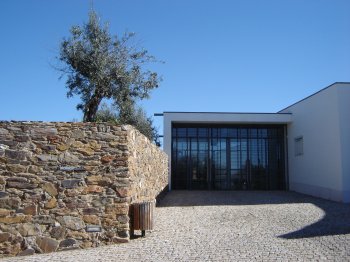
The archaeological ruins of S. Cucufate date from the 1st century AD and testify the passage of Roman civilization through the region, at a time when a villa was installed here, in the center of a farm. The archaeological excavations that were being carried out on the land also allowed the discovery of the medieval cemetery of the friars and mural paintings.
Igreja e Convento de Santo António
- heritage
Rua Visconde da Marinha Grande, 1-A
3080, Figueira da Foz
This is a former male convent from the retired religious within the Order of Saint Francis, founded in 1527. In architectonic terms, the church underwent several transformations, mainly on the year 1725. On the inside the carved altarpieces stand out, brought by Seiça Convent and the high choir with life paintings from the Saint Patron life.
Igreja de Nossa Senhora da Conceição
- heritage
Rua da Alfarrobeira
7800-802, Beringel
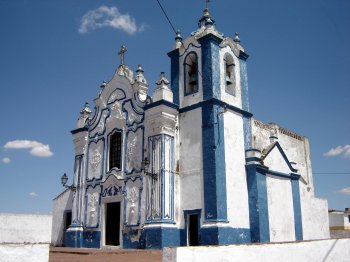
Plant with nave, main chapel, bell tower, vestry and Casa dos Milagres (house of miracles). Inside stands out the chapel of São João Baptista with golden carving retable and painted panel with Christ’s Baptism. At the house of miracles are worthy of notice the painted panels with the “Birth of the Virgin” and the “Presentation of the virgin in the temple”.
Igreja de Santa Maria / Igreja Paroquial de Covas do Barroso
- heritage
Rua Acúrcio Amândio de Castro
5460-382, Covas do Barroso
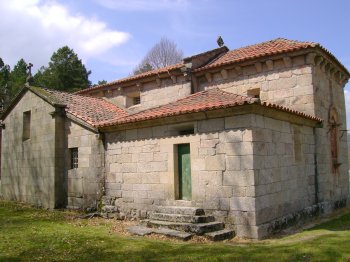
This Romanic church maintains the corbels around the building. On the main façade a portico stands out topped by a round window and on the posterior façade, there is a niche all in worked stone where it is possible to admire a sculpture from the Patron Saint in Ançã stone. The inside has one only nave with painted coffers on the ceiling.
Igreja de São João Baptista
- heritage
Rua de São João, 135
2300-550, Tomar
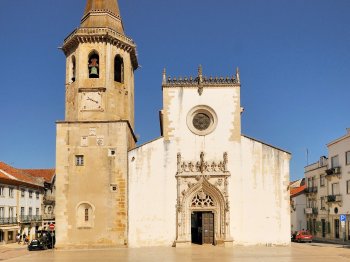
The foundation date of this church is uncertain, but it is known that it was rebuilt at the end of the 15th century by Dom Manuel I and completed around 1510. It has three naves defined by pointed arches and is flanked by a bell tower. It is decorated with Manueline motifs and, inside, the pulpit and the vault of the chancel stand out. It was classified as a National Monument in 1910.
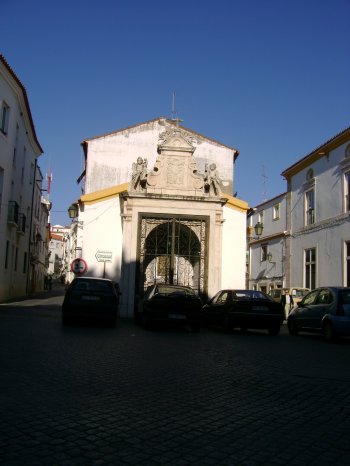
Passos da Via Sacra de Elvas
- heritage
Avenida de Garcia da Horta
7350-048, Elvas
The class for this Monument is religious, with Baroque features: the angels, the volutes on the façade and the drapery on the marble altarpiece, besides the blue and white glazed tiles. Its construction was done by the hands of Thomaz de Barros (person who puts the glazed tiles) and António Sequeiro (the painter). The oil paintings should also be pointed out.